
Sauces & Condiments
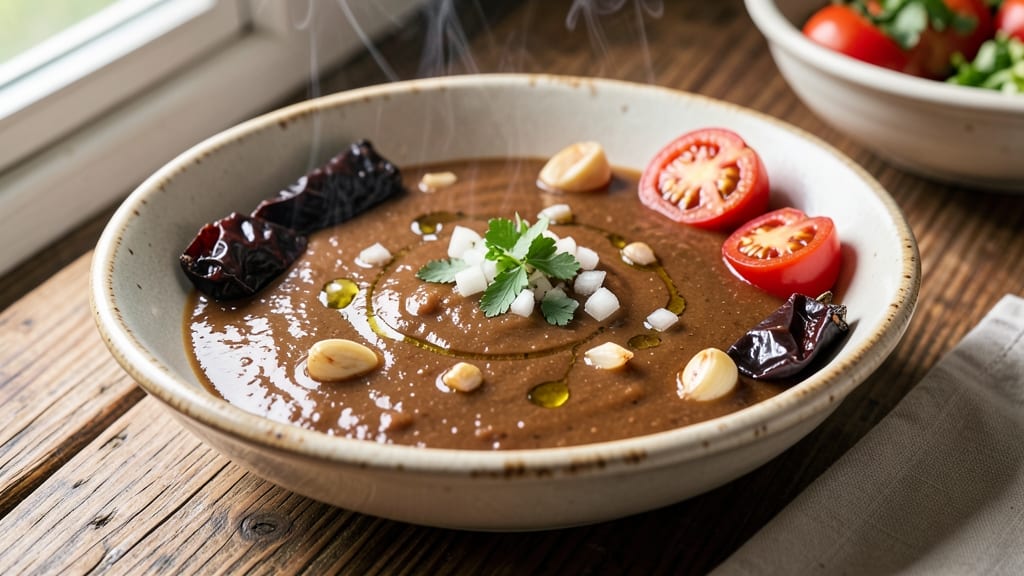
This ancho enchilada sauce recipe transforms dried chiles into a rich, smoky base that elevates every Mexican dish it touches—no blender required. The secret lies in toasting the ancho chiles and simmering them with tomatoes and broth until the flavors meld into a velvety, complex sauce.
I developed this version after struggling with overly thin or bitter store-bought sauces, and it’s now my go-to for enchiladas, dips, or even grilled meats.
The beauty of this sauce is its simplicity: just a handful of ingredients—dried ancho chiles, tomatoes, garlic, and spices—simmered until thick and fragrant. Unlike many recipes, this one skips the blender, relying instead on a fine-mesh strainer to achieve that signature smooth texture.
The result is a sauce with smoky depth and a balance of heat that’s perfect for dipping, drizzling, or layering.
What sets this recipe apart is its versatility. Use it as a base for enchiladas, a dip for tortilla chips, or a marinade for grilled chicken. The sauce thickens as it cools, so you can adjust the consistency with a splash of broth or water.
Each batch tastes richer than the last, thanks to the slow development of flavors during simmering.
Ready in under 30 minutes, this sauce is ideal for weeknight dinners or meal prep. The key is patience—letting the chiles steep and the spices bloom ensures a sauce that’s restaurant-quality at home.
Serve it warm, store it for up to a week, or freeze for later use. Here’s how to make it.
Ingredients for ancho enchilada sauce
Four dried chiles and a handful of pantry staples create this restaurant-worthy sauce.
| Ingredient | Amount | Notes |
|---|---|---|
| Dried Ancho Chiles 🌶️ | 4 whole | Stems and seeds removed |
| Medium Tomatoes 🍅 | 4 whole | Ripe, peeled and chopped |
| Garlic Cloves 🧄 | 3 cloves | Peeled and lightly crushed |
| White Onion 🧅 | 1 whole | Peeled and roughly chopped |
| Vegetable Broth 💧 | 2 cups | Low-sodium preferred |
| Extra-Virgin Olive Oil 🫒 | 2 tbsp | For toasting chiles |
| Ground Cumin 🌿 | 1 tsp | Toasted for depth |
| Salt 🧂 | ½ tsp | Adjust to taste |
| Black Pepper 🌶️ | ¼ tsp | Freshly ground |
| Cinnamon Stick 🌳 | 1 whole | Optional for warmth |
Ancho chiles are the heart of this sauce—look for plump, dark chiles with a glossy sheen, not shriveled or dull. Mexican markets or specialty stores usually carry the best quality, but the bulk section at Walmart or H-E-B works fine too. Toast them in the dry skillet until fragrant—don't burn them, just warm them up. The tomatoes should be vine-ripe; if you can't find them fresh, San Marzano canned tomatoes are the next best thing. I always double-check the broth label for sodium content—low-sodium lets you control the seasoning better.
No ancho chiles? Guajillo or pasilla chiles work in a pinch, but you'll need to adjust the liquid to compensate for their milder heat. Fresh tomatoes? Roma or vine-ripe varieties hold up best to chopping. The cinnamon is optional but adds a subtle warmth—ground cinnamon at half the amount works if you're out of sticks. For extra depth, toast the cumin seeds in the same skillet as the chiles, then grind them fresh. The sauce should be velvety after straining; if it's too thick, add a splash of broth. Too thin? Simmer uncovered for another 5-10 minutes.
This sauce tastes even better the next day as the flavors meld. Store it in an airtight container in the fridge for up to 1 week—the texture thickens slightly, so stir well before using. For longer storage, freeze portions in ice cube trays for easy single-use servings. Reheat gently on the stove or microwave until warmed through. The sauce keeps its smoky character beautifully, making it perfect for batch cooking. If you make a double batch, freeze half right away—you'll thank yourself later.
Why You'll Love This Recipe
- No Soaking Required: I’ll admit—most chile sauces demand hours of soaking. Not this one. Toss those dried ancho chiles in hot water for just 10 minutes, and they soften perfectly. No patience test, no waiting around.
- Smoky Depth in Minutes: That rich, smoky flavor? It’s all in the char. Roast the tomatoes and onion until blistered—just 15 minutes under the broiler—and suddenly you’ve got layers of complexity without a single spice packet. The garlic? Toasted until golden. Chef’s kiss.
- Weeknight to Party Fix: This sauce is my secret weapon for everything from Taco Tuesday to Sunday brunch. Slather it on enchiladas, drizzle it over eggs, or use it as a marinade for chicken. (Yes, even on a Tuesday night.) The broth keeps it flexible—thin it out for salsa or thicken it for a dip.
- Pantry Staple Magic: Between us, I’ve made this sauce three times in a month because it uses what I already have. A few dried chiles, a couple tomatoes, and some broth—no specialty trips to the store. Freeze the leftovers, and you’ve got a ready-made flavor bomb for next week’s meal.
Step-by-step instructions for ancho enchilada sauce
This method delivers restaurant-quality depth without blending—just patience and attention.
Toast the Dried Ancho Chiles
Heat a dry skillet over medium heat and add the 4 whole dried ancho chiles, stems removed. Toast them for 30-45 seconds per side until they darken slightly and release their deep, smoky aroma. This step enhances their natural sweetness and removes any bitterness. Watch carefully—they'll darken quickly and burn easily.
Remove the chiles from the pan and immediately transfer them to a bowl. Cover with 2 cups hot vegetable broth to soften. Let them steep for 15 minutes while you prepare the remaining ingredients. The broth will infuse with their rich, earthy flavor, creating the sauce's foundation.
Sauté Aromatics Until Fragrant
In the same skillet, add 2 tablespoons extra-virgin olive oil over medium heat. Add the peeled and roughly chopped white onion and cook for 5-6 minutes until softened and beginning to caramelize at the edges. This step builds sweetness that balances the sauce's smoky depth.
Add the 3 peeled and lightly crushed garlic cloves and cook for 30 seconds until fragrant. Stir in the 1 teaspoon toasted ground cumin and cook for another 30 seconds, allowing the spices to bloom and release their warm, earthy notes. The cinnamon stick can be added here if using—it'll contribute subtle warmth without overpowering.
Combine and Simmer the Sauce
Using a slotted spoon, transfer the softened ancho chiles to the skillet with their soaking liquid. Add the 4 peeled and chopped medium tomatoes and stir to combine. Bring the mixture to a gentle simmer over medium-low heat and cook uncovered for 15-20 minutes, stirring occasionally.
As the sauce reduces, use a wooden spoon to mash the tomatoes and chiles against the bottom of the pan, breaking them down into a smooth consistency. This creates a velvety texture without needing a blender. The sauce should thicken gradually—it should coat the back of a spoon but still be pourable.
Season and Finish
Remove the cinnamon stick if used. Season the sauce with ½ teaspoon salt and ¼ teaspoon freshly ground black pepper, tasting as you go. Adjust the salt if needed—enchilada sauce should be well-seasoned but not overly salty. The sauce is ready when it reaches a rich, glossy consistency with deep red color and complex layers of flavor.
Strain the sauce through a fine-mesh sieve if you prefer a completely smooth texture, or leave it slightly rustic for added depth. Serve immediately over your favorite enchiladas or store in an airtight container in the refrigerator for up to 5 days. The sauce will only deepen in flavor as it sits, making it perfect for leftovers.
Pro Tips For Making Ancho Enchilada Sauce
- STEAM THE CHILES: Skip the soak—just tear open those ancho chiles and drop them into simmering broth for 5 minutes. I learned this the hard way after over-soaking and ending up with mushy, flavorless paste. The heat does the work while you prep the rest.
- CHAR THE ONION LOW: Cook that white onion at medium-low heat until it’s golden and sweet, not browned. I used to rush it and ended up with bitter, burnt bits that ruined the whole sauce. Patience here means smoother, richer flavor—no one will taste the char.
- TOAST THE GARLIC: Add those minced garlic cloves to the pot after the onion’s done sweating, and let them sizzle for 30 seconds until they smell nutty. I was skeptical until I tried it—this small step makes the sauce taste deeper, like it’s been simmering for hours instead of 20 minutes.
- STRAIN THE TOMATOS: Use a fine-mesh strainer to remove tomato skins and seeds—it’s messy, but the sauce will be silky instead of pulpy. I skip this when I’m lazy, but the dish is noticeably better when I don’t. Save the pulp for salsa if you’re feeling efficient.
Essential equipment for ancho enchilada sauce
Skillet Essentials
Start with a 10-inch cast-iron skillet—its heavy base distributes heat evenly for perfect toasting of the ancho chiles and even caramelization of onions. I swear by my Lodge Pre-Seasoned Cast Iron because it develops a natural non-stick surface over time.
If you don’t have cast iron, a stainless steel skillet works too, but monitor the heat closely to avoid burning the chiles. 🔥
Straining Tools
A fine-mesh sieve or cheesecloth is non-negotiable for achieving that signature smooth texture. I use my OXO Good Grips Stainless Steel Fine-Mesh Strainer—it’s sturdy and handles hot liquids without warping.
For a rustic texture, skip straining entirely and just mash the ingredients with a wooden spoon. The choice depends on whether you want a silky sauce or one with subtle texture.
Wooden Spoon
Never use metal utensils when mashing the tomatoes and chiles—it can scratch your skillet and alter the sauce’s flavor. A heat-resistant wooden spoon (like the OXO Good Grips Wooden Spoon) is perfect for breaking down the ingredients gently while simmering.
The natural fibers also help prevent sticking, making the sauce smoother as it thickens. Keep it handy for stirring too!
Immersion Blender
While this recipe avoids blending, an immersion blender (like the Ninja Foodi 1000-Watt) can be a game-changer if you prefer ultra-smooth sauce. After straining, pulse the sauce directly in the pot for 10-15 seconds—just enough to refine the texture without over-processing.
This step is optional but saves time if you’re short on patience. 💡
Fine-Mesh Strainer
If you’re straining, invest in a dedicated fine-mesh strainer—like the Mesh King Strainer—to catch even the tiniest seeds and skins. A regular colander won’t cut it; you’ll end up with a gritty sauce.
For extra smoothness, line the strainer with cheesecloth or a coffee filter to trap finer particles. This step is what separates homemade sauce from store-bought in terms of texture.
Measuring Spoons
Precision matters when it comes to spices like cumin and salt. Use a set of stainless steel measuring spoons (like the OXO Good Grips) for accuracy—especially since these ingredients make or break the sauce’s balance.
A pinch too much salt or cumin can overpower the delicate smokiness of the ancho chiles. Keep your spices fresh too; ground cumin loses potency after 3-6 months.
Nutrition facts
Frequently asked questions
Why toast the ancho chiles before using them?
Toasting enhances their natural sweetness and deepens the smoky flavor—it removes any bitterness and intensifies the aroma. This simple step transforms your sauce from good to restaurant-quality. Just 30-45 seconds per side over medium heat makes all the difference!
Can I make this sauce without straining?
For a rustic texture, simply mash the tomatoes and chiles against the pan with a wooden spoon while simmering. The sauce will have subtle texture but still pack all the flavor. Straining gives a silky finish, but this method works perfectly for quick weeknight meals.
How do I adjust the heat level in this sauce?
The ancho chiles provide mild heat, but you can control it by adjusting the cooking time. For a milder sauce, simmer for 15 minutes. For more depth, extend to 20 minutes. If you want extra kick, add ½ teaspoon smoked paprika or a pinch of cayenne at the end. Taste as you go!
Can I use canned tomatoes instead of fresh?
Yes! For the best results, use San Marzano canned tomatoes (peeled, chopped) since they're sweeter and less acidic. Drain them well first to avoid a watery sauce. Fresh tomatoes work better if you have them, but canned is a great backup when fresh aren't available.
How do I fix a sauce that's too thin?
Simmer uncovered for 5-10 more minutes to reduce the liquid. If it's still too thin, mix 1 tablespoon cornstarch with 2 tablespoons cold water, stir into the sauce, and simmer until thickened. Never add flour directly—it can make the sauce grainy.