
Sauces & Condiments
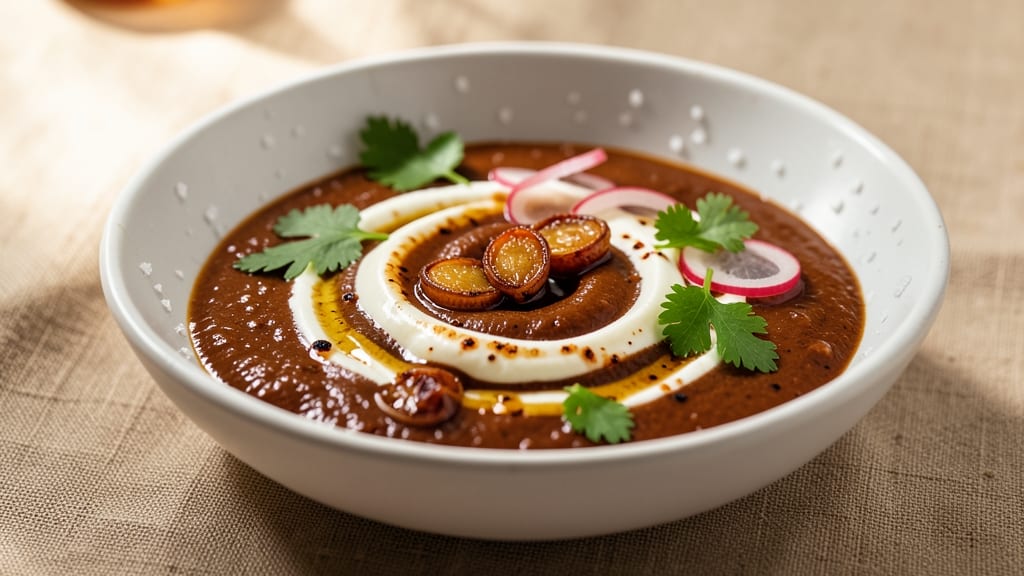
This ancho cream sauce recipe transforms simple pantry staples into a velvety, smoky masterpiece that elevates everything from tacos to grilled meats. The secret lies in charring ancho chiles until they develop deep, caramelized notes—no need for fancy equipment, just patience and a dry skillet.
What starts as a humble blend of dried chiles, garlic, and cream becomes a rich, complex sauce with layers of warmth and creaminess that lingers long after the last bite.
The beauty of this sauce is its versatility—use it as a dip for tortilla chips, a drizzle over roasted vegetables, or a luxurious base for enchiladas. The recipe balances smoky heat with creamy richness, making it approachable for beginners while delivering restaurant-quality depth.
With just 15 minutes of active prep and a 10-minute simmer, you’ll have a sauce that tastes like it took hours to perfect.
What sets this ancho cream sauce apart is its shelf-stable flexibility: store it in the fridge for up to 5 days or freeze it for months, ready to transform any meal with minimal effort.
The texture remains velvety when reheated gently, ensuring every spoonful delivers that same velvety, smoky satisfaction. Whether you’re cooking for a crowd or meal prepping for the week, this sauce is your secret weapon.
Pair it with grilled chicken, black beans, or even as a standalone condiment for nachos—its adaptability makes it a staple in any kitchen. The key is letting the flavors meld during the simmer, so don’t rush it.
Trust the process, and you’ll have a sauce that’s foolproof, flavorful, and unforgettable.
Ingredients for ancho cream sauce
Nine simple ingredients transform into a velvety sauce with smoky depth and creamy perfection.
| Ingredient | Amount | Notes |
|---|---|---|
| Dried Ancho Chiles 🌶️ | 4 whole | Stemmed, seeded, charred |
| Heavy Cream 🥛 | 1 ½ cups | Full-fat for richness |
| Garlic Cloves 🧄 | 4 cloves | Peeled, roughly chopped |
| Shallots 🧅 | 2 whole | Peeled, thinly sliced |
| Extra-Virgin Olive Oil 🫒 | ½ cup | For charring chiles |
| Vegetable Broth 💧 | 1 cup | Low-sodium preferred |
| Lemon Juice 🍋 | 1 tbsp | Freshly squeezed |
| Salt 🧂 | ½ tsp | Diamond Crystal preferred |
| Ground Black Pepper 🌶️ | ¼ tsp | Freshly ground |
| Cumin Seeds 🌿 | ½ tsp | Toasted lightly |
The ancho chiles are the star—Mexican Market or La Tienda carry the best dried varieties, but any good grocery store should stock them. Look for chiles that are deep red and slightly wrinkled, not moldy or dull. Char them in a dry skillet until fragrant and blistered—this step unlocks their smoky flavor. I usually toast the cumin seeds in the same skillet right after, letting their aroma infuse the air. The heavy cream should be full-fat (none of that skim nonsense) for that luxurious texture, and Trader Joe's sells it at a great price. Shallots add sweetness, so don't skip them—fresh is best, but jarred in a pinch works fine.
No ancho chiles? Guajillo or pasilla chiles work in a pinch, but you'll need to adjust the heat level. Ran out of heavy cream? Half-and-half or coconut cream keeps it rich, though the texture will be slightly lighter. Fresh garlic is ideal, but if you're using jarred, rinse it well to remove the sulfurous taste. The vegetable broth can be swapped for water, but adding a splash of balsamic vinegar (1 tsp) adds depth. For extra smokiness, add a pinch of smoked paprika—it's a game-changer. And if you're feeling fancy, a splash of Mexican beer (like Modelo) in place of broth adds a subtle maltiness.
This sauce keeps beautifully—5 days in the fridge sealed in a jar, or 3 months in the freezer. Reheat gently on the stove, stirring constantly, until it's just warm through. The texture thickens as it cools, so thin with a splash of broth or milk if needed. I love making a big batch and freezing it in ice cube trays—perfect for adding to meals later. Leftovers? Toss them into scrambled eggs, drizzle over roasted potatoes, or use as a dip for tortilla chips. Trust me, you'll want to make extra.
Why You'll Love This Recipe
- One-Pot Magic: I swear by this recipe—just toast the dried ancho chiles in a dry pan, then toss them into the same pot with the shallots and garlic. No extra bowls, no extra mess. The cream comes together while you chop (or don’t, because honestly, you’re only dicing one onion).
- Smoky Creamy Bliss: That first bite of the sauce—where the smoky depth of the ancho chiles meets the velvety richness of the heavy cream—is chef’s kiss. The olive oil adds a bright finish that cuts through the richness, making it taste like you slaved over it (but you didn’t).
- Weeknight to Dinner Party: Between us, this sauce is my secret weapon for lazy nights and fancy guests. Drizzle it over grilled fish, toss it with roasted veggies, or serve it with tortillas for a quick enchilada night. It’s the kind of dish that feels impressive without the stress.
- Leftovers That Don’t Suck: I make a double batch every time because it reheats like a dream—no graininess, no separation. Freeze half for another week, and it’s still creamy and flavorful. Plus, the ancho chiles are cheap, so you’re basically getting gourmet sauce for pennies.
Step-by-step instructions for ancho cream sauce
Let's create this rich, smoky sauce that balances deep ancho flavor with velvety cream.
Char the Dried Ancho Chiles
Heat a dry skillet over medium-high heat. Add the 4 whole dried ancho chiles and toast for 30 seconds per side until they darken slightly and develop a fragrant aroma. You want them to char just enough to deepen their smoky flavor without burning.
Transfer the charred chiles to a bowl and cover with ½ cup extra-virgin olive oil. Let them soak for 10 minutes while you prepare the aromatics. This step is crucial—it infuses the oil with ancho flavor that will form the sauce's foundation. Don't skip the soaking time, as it ensures maximum extraction of the chiles' rich, earthy taste.
Sauté Aromatics Until Golden
In the same skillet (no need to clean it—the browned bits add flavor), add 2 whole shallots and 4 cloves garlic cloves that have been roughly chopped. Cook over medium heat for 5-6 minutes until the shallots turn golden and the garlic becomes fragrant.
I like to add the ½ teaspoon toasted cumin seeds during the last 30 seconds of cooking. This releases their nutty aroma while preventing them from burning. Keep the heat moderate—you want the shallots to caramelize slowly for maximum sweetness and depth of flavor.
Blend the Sauce Base
Remove the skillet from heat and let the aromatics cool for 2 minutes. Transfer everything to a blender along with the ancho chiles and their soaking oil. Add 1 cup vegetable broth and 1 tablespoon lemon juice to help emulsify the sauce and brighten the flavors.
Blend until completely smooth, scraping down the sides as needed. This step creates the sauce's velvety texture while ensuring all the charred ancho flavor is evenly distributed. The lemon juice might seem unusual, but it balances the richness and prevents the sauce from tasting too heavy.
Simmer and Thicken the Cream
Pour the blended mixture back into the skillet and stir in the 1½ cups heavy cream. Bring to a gentle simmer over medium-low heat and cook for 8-10 minutes until slightly thickened. You're looking for a consistency that coats the back of a spoon but still flows easily.
Season with ½ teaspoon salt and ¼ teaspoon freshly ground black pepper. Taste and adjust the seasoning—you might need a touch more salt to balance the cream's richness. Keep the sauce warm but don't let it boil, as this can cause it to separate or develop a skin.
Finish and Serve
For the final touch, strain the sauce through a fine-mesh sieve to remove any remaining chile skins or shallot bits if you prefer an ultra-smooth texture. Return it to the skillet and let it warm through for another 2 minutes.
This sauce is perfect for drizzling over grilled meats, tacos, or even as a dip for warm tortilla chips. The smoky depth from the ancho pairs beautifully with the creamy texture, creating a sauce that's both complex and comforting. Serve immediately while warm for the best experience.
Pro Tips For Making Ancho Cream Sauce
- TOAST THE CHILES: I learned this the hard way—skipping the toasting step means a sauce that tastes more like dust than ancho. Dry-toast the dried chiles in a skillet over medium heat for 30 seconds per side until fragrant and slightly darkened. This unlocks their smoky depth, which is the whole point of using them.
- SWEAT SHALLOTS LOW AND SLOW: High heat turns shallots bitter, and nobody wants that. Cook them in olive oil over the lowest heat you can stand for 8-10 minutes until completely translucent and caramelized at the edges. Patience here means a sauce that’s sweet, not sharp.
- STRAIN THE SEEDS: The seeds in dried ancho chiles pack a bitter punch that can ruin an otherwise smooth sauce. After soaking and blending, strain the mixture through a fine-mesh sieve to remove seeds and any fibrous bits—your future self will notice the difference.
- WARM THE CREAM: Cold heavy cream added straight to a hot sauce will curdle faster than you can say "disaster." Temper it first by whisking in a splash of the hot sauce base, then slowly adding the rest while stirring constantly. This keeps the sauce luscious, not lumpy.
Regional styles of this dish
Mexican Oaxaca Style
In Oaxaca, this sauce is often called salsa de ancho cremosa and gets a distinct earthy depth from mole negro influences. Locals add 1 tablespoon of ground sesame seeds during blending for nutty complexity, and a pinch of mexican oregano (not Mediterranean) for herbal brightness.
The key difference? They simmer the sauce with 1 cup of chicken broth instead of vegetable, giving it a richer, meatier base that pairs perfectly with tlayudas—Oaxacan "pizza." 🌶️
Texas Fusion Twist
Tex-Mex chefs love this sauce as a taco al pastor drizzle, but they take it further by blending in 1 tablespoon of adobo sauce from canned chipotles for extra smokiness.
Add ½ teaspoon of smoked paprika at the end and a splash of beer (like Corona) to thin it slightly. This version is thicker, almost like a creamy salsa, and works as a dip for queso fundido or a glaze for brisket.
The beer adds a subtle maltiness that balances the cream's richness. 🍺
Yucatán Creamy Version
In Yucatán, they transform this sauce into salsa de ancho con crema achiote by adding 1 teaspoon of achiote paste (mixed with a splash of oil) during the simmer. The result? A golden-hued sauce with earthy, slightly sweet notes that complement cochinita pibil beautifully.
They also reduce the cream to 1 cup and add ½ cup of coconut milk for a lighter texture. Garnish with cilantro and lime for that signature Yucatecan tang. 🌴
California Modern Take
Chefs in California reinvent this sauce as a vegan-friendly version by swapping heavy cream for cashew cream (blend 1 cup soaked cashews with ½ cup water). They also add 1 tablespoon of nutritional yeast for a cheesy depth and ½ teaspoon of liquid smoke for extra smokiness.
This version is perfect for drizzling over roasted cauliflower or as a dip for veggie chips. The texture stays velvety, and the flavor is just as complex—proving plant-based doesn't mean sacrificing richness. 🌱
Northern Mexico Adaptation
Up north, near Chihuahua, this sauce gets a spicier kick with 1-2 dried arbol chiles blended in alongside the ancho. They also add 1 teaspoon of ground coriander for citrusy brightness and simmer with 1 cup of beef broth for a meatier profile.
This version is thicker and almost like a refried sauce, ideal for spreading on flautas or smothering birria. The extra heat makes it a bold contrast to creamy dishes like chiles rellenos. 🔥
Nutrition facts
Frequently asked questions
Can I substitute ancho chiles with other dried peppers?
Yes, but the flavor will change! Use guajillo or pasilla chiles for a milder, sweeter profile, or mulato chiles for deeper earthiness. For extra heat, add 1-2 dried arbol chiles (remove seeds). Adjust the broth to 1.25 cups if using hotter peppers to balance the heat.
Why did my sauce separate when reheating?
This happens when the sauce cools too quickly or sits too long. To fix it, whisk in 1 tablespoon cold water or broth while stirring over low heat until smooth. For prevention, store the sauce in an airtight container and reheat gently, stirring constantly.
How can I make this sauce vegan?
Swap the heavy cream for 1 cup cashew cream (blend soaked cashews with water) and add 1 tablespoon nutritional yeast for depth. Use vegetable broth and ensure all ingredients are plant-based. The texture stays velvety, though slightly lighter than dairy versions.
Can I use this sauce as a marinade?
Not directly—it’s best for drizzling or dipping. However, mix ¼ cup sauce with 2 tablespoons olive oil for a light marinade (great for chicken or fish). Simmer for 5 minutes to meld flavors, then cool before using. Avoid marinating acidic foods (like tomatoes) for more than 30 minutes.
What’s the best way to store leftovers?
Let the sauce cool completely, then transfer to an airtight container. It keeps in the fridge for 5 days or freezes for 3 months. To reheat, warm over low heat or microwave in 30-second bursts, stirring between each. Avoid boiling to prevent separation.