
Sauces & Condiments
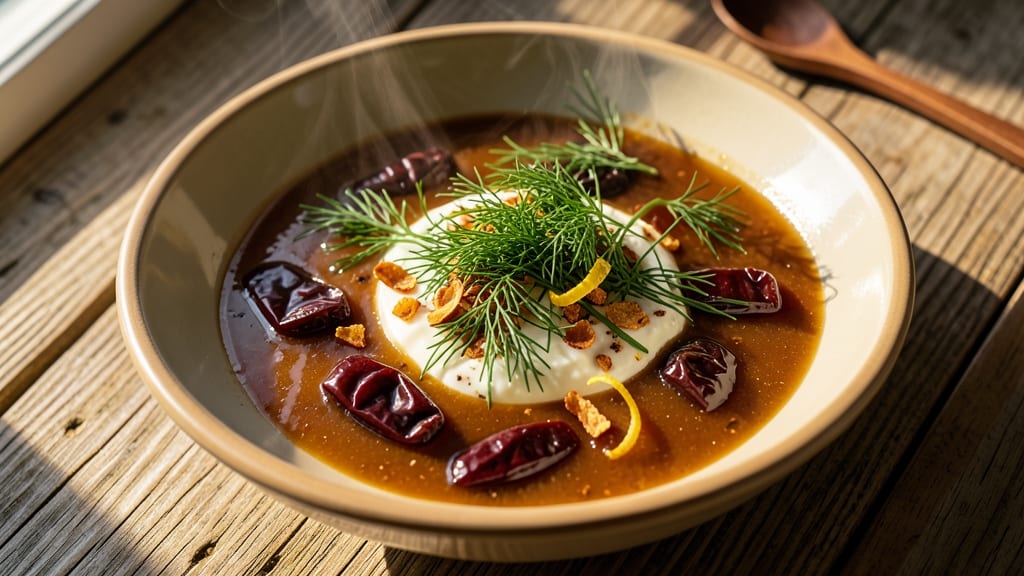
This ancho chile ranch sauce recipe transforms classic ranch into a smoky, spicy fusion that elevates everything from tacos to grilled meats. The key is rehydrating ancho chiles to infuse their deep, earthy heat into a creamy herb base—no blender required.
I developed this sauce after craving ranch with more depth, and the result is a versatile condiment that bridges Mexican flavors with creamy comfort.
The secret lies in balancing smoky ancho chiles with tangy buttermilk and fresh herbs, creating a sauce that’s both rich and bright. Unlike traditional ranch, this version stays creamy after chilling and develops even more flavor over time.
Perfect for dipping, drizzling, or mixing into soups, it’s a game-changer for anyone who loves bold, layered flavors without sacrificing ease.
With just 10 minutes of prep and 30 minutes of chilling, you’ll have a sauce that’s ready to transform your meals. The ancho chiles add warmth while the herbs keep it fresh, making this ideal for tacos, nachos, or even as a marinade.
Store it in the fridge for up to 5 days, or freeze for longer shelf life—its versatility ensures it’ll disappear just as quickly as it’s made.
For extra heat, add a pinch of cayenne; for creaminess, stir in extra sour cream. This sauce proves that condiments can be both restaurant-quality and effortless. Let’s make it!
Ingredients for ancho chile ranch sauce
Eight simple ingredients transform classic ranch into smoky, spicy magic—no blender needed.
| Ingredient | Amount | Notes |
|---|---|---|
| Dried Ancho Chiles 🌶️ | 2 whole | Stems/seeds removed, torn into pieces |
| Hot Water 💧 | 1 cup | For rehydrating chiles |
| Buttermilk 🥛 | 1 cup | Full-fat preferred for creaminess |
| Sour Cream 🧀 | ½ cup | Full-fat for best texture |
| Mayonnaise 🥚 | ½ cup | Duck egg or vegan mayo works |
| Fresh Dill 🌿 | ¼ cup | Chopped, stems removed |
| Fresh Parsley 🌿 | ¼ cup | Chopped, flat-leaf preferred |
| Garlic Cloves 🧄 | 2 cloves | Minced or finely grated |
| Lemon Juice 🍋 | 1 tbsp | Freshly squeezed |
| Salt 🧂 | 1 tsp | Diamond Crystal preferred |
| Black Pepper 🌶️ | ½ tsp | Freshly ground |
| Cayenne Pepper 🔥 | ¼ tsp | Adjust for heat preference |
The ancho chiles are the star—look for dried, not canned, and avoid those with mold or dull color. Penzeys or your local Latin market usually have the best quality. If you can't find ancho, guajillo or pasilla chiles work too, but ancho gives that perfect smoky depth. Rehydrating them in hot water (not boiling) preserves their flavor. I always grab extra chiles—half go in the sauce, half get saved for salsas or soups. The buttermilk and sour cream? Full-fat versions make this sauce truly luxurious—don't skimp here.
No buttermilk? Mix 1 tbsp lemon juice with 1 cup milk—it's the same thing, just made fresh. Ran out of mayo? Greek yogurt plus 1 tsp lemon juice works in a pinch. Fresh herbs are ideal, but dried dill at one-third the amount gets you close. The garlic can be roasted for extra sweetness (just wrap cloves in foil, microwave 1 minute), but raw works fine too. For a milder sauce, skip the cayenne entirely—it's optional but adds that restaurant-quality kick. The sauce thickens as it chills, so start with slightly less sour cream if you prefer it looser.
This sauce gets better with time—30 minutes in the fridge lets the flavors meld perfectly. Store in an airtight container for 5 days or freeze for 3 months. I always make a double batch because it disappears fast. The chile water? Don't toss it—save it for soups or marinades. It's packed with flavor! For extra creaminess, stir in more sour cream before serving. The herbs will settle, so give it a quick whisk before using.
Why You'll Love This Recipe
- No Soaking Required: I’ll be real—most chile sauces need hours of soaking. Not this one. Just toss those dried ancho chiles in hot water for 10 minutes, and they soften right up. No waiting, no fuss, just instant smoky depth.
- Smoky Creamy Magic: That first bite? It’s like ranch and mole had a baby. The ancho chiles bring deep, toasty warmth while the buttermilk and mayo keep it silky smooth—no bitterness, just rich, velvety flavor that sticks with you.
- Game for Any Meal: Slather it on tacos, drizzle it over grilled chicken, or use it as a dip for veggies. It’s my go-to for quick weeknight dinners or even as a tangy topping for baked potatoes. Honestly, I’ve lost track of how many ways I’ve used it.
- Makes Leftovers Worth It: This sauce actually tastes better the next day—yes, really. The flavors meld even more, and it keeps perfectly in the fridge for up to a week. I double the batch just so I don’t have to make it twice.
Step-by-step instructions for ancho chile ranch sauce
This smoky, creamy sauce comes together in minutes with just a few simple steps.
Rehydrate the Dried Ancho Chiles
Place the 2 whole dried ancho chiles in a small bowl and pour the 1 cup hot water over them. Let them soak for 10-15 minutes until completely softened and pliable. The water will turn a rich amber color as the chiles release their deep, smoky flavor.
While they soak, remove stems and seeds carefully—this prevents bitterness. You can tear them into small pieces by hand or pulse briefly in a food processor. The texture should be fine but not powdery. This step is crucial for developing that authentic ancho flavor without overpowering the creamy ranch base.
Blend the Chile Mixture
Transfer the soaked chiles (with their soaking liquid) to a blender. Add the 2 cloves minced garlic, the 1 tablespoon lemon juice, and the 0.25 teaspoon cayenne pepper. Blend until completely smooth, scraping down the sides as needed. The mixture should be vibrant red with a thick, paste-like consistency.
Here's the thing—don't skip blending the garlic and lemon juice with the chiles. This ensures even distribution of flavor throughout the sauce. If the mixture seems too thick, add 1-2 tablespoons of the reserved chile soaking liquid to help it blend smoothly.
Combine the Creamy Base
In a medium bowl, whisk together the 1 cup buttermilk, 0.5 cup sour cream, and 0.5 cup mayonnaise until fully combined. Add the blended chile mixture and stir well to incorporate. Season with the 1 teaspoon salt and 0.5 teaspoon black pepper, mixing thoroughly.
The sauce should be thick but still pourable. If it's too thick, thin it with 1-2 tablespoons of milk or water. This is where the magic happens—the creamy ranch base gets that beautiful smoky depth from the ancho chiles. Taste and adjust the seasoning if needed, adding more salt or cayenne for your preferred heat level.
Fold in the Fresh Herbs
Gently fold in the 0.25 cup chopped fresh dill and 0.25 cup chopped fresh parsley using a rubber spatula. Be careful not to overmix—just combine until the herbs are evenly distributed. The herbs should brighten the sauce and add a fresh contrast to the smoky flavor.
This is the moment that matters: the herbs should be finely chopped so they blend seamlessly without making the sauce grainy. If you notice any large herb pieces, give it one more quick pulse in the blender before folding. The final texture should be smooth with just a hint of visible herb flecks for visual appeal.
Chill and Serve
Transfer the sauce to an airtight container and refrigerate for at least 30 minutes to allow the flavors to meld. This chilling step is essential—it lets the smoky and creamy flavors come together perfectly. The sauce will thicken slightly as it cools, which is exactly what you want.
When ready to serve, give it a final stir. This sauce is incredibly versatile—dip it with tortilla chips, drizzle it over tacos, or use it as a marinade for grilled meats. The balance of smoky, creamy, and herby flavors makes it a standout in any dish. Store leftovers in the refrigerator for up to 5 days or freeze for up to 3 months.
Pro Tips For Making Ancho Chile Ranch Sauce
- STEAM NOT BOIL: Toss your dried ancho chiles into a heatproof bowl with just enough hot water to cover them—about 1 cup for 3-4 chiles. Let them soak for 15 minutes, not longer, or they’ll turn bitter. I used to dump them straight into boiling water, and the flavor always ended up muddy. This method keeps the depth intact.
- STRAIN THOROUGHLY: After soaking, strain the chiles through a fine-mesh sieve, then press the pulp with a spoon to extract every last bit of flavor. Don’t skip this—leaving behind the skins and seeds means a watery, weak sauce. My first batch tasted like it was missing something, and that was the issue.
- COMBINE DAIRY LAST: Mix the mayo, buttermilk, and sour cream after blending the chile purée and any added spices. Adding them early can make the sauce split or turn grainy. I learned this after a disastrous batch where the dairy curdled mid-blend—now I keep everything cold and fold gently.
- SALT THE CHILES FIRST: Sprinkle a pinch of salt (½ tsp) directly on the soaked chiles before blending. It balances their earthiness and prevents the sauce from tasting flat. I was skeptical—why salt dried peppers?—but it makes a real difference in the final tang.
Wine and beer pairings for these flavors
Smoky Beer Pairings
This sauce’s deep ancho chile notes pair beautifully with Mexican lagers like Modelo Especial or Pacifico. Their crisp, clean profiles cut through the sauce’s richness while complementing its smoky warmth.
For a hoppier contrast, try a Mexican amber ale like Negra Modelo—the caramel malt sweetness balances the chile’s heat. 🍺
Bold Red Wine Choices
For a wine pairing, reach for medium-bodied reds with earthy undertones. A Zinfandel from California or a Tempranillo from Spain enhances the ancho’s smokiness without overpowering the creamy herbs. Both wines have enough fruitiness to contrast the sauce’s depth while sharing its spicy character.
Creamy White Wine Options
If you prefer white, an off-dry Riesling or Gewürztraminer works wonders. The slight sweetness in these wines mirrors the sauce’s creaminess, while their floral notes complement the fresh dill and parsley. Chill your wine slightly to enhance its refreshing contrast against the sauce’s warmth. 🍷
Unexpected Cocktail Pairings
Turn this sauce into a cocktail element! Mix 2 oz tequila, 1 oz lime juice, and 1 oz of the sauce into a margarita for a smoky-sweet twist.
For a non-alcoholic option, blend the sauce with sparkling water and a splash of lime for a refreshing dip or marinade. The ancho’s depth adds complexity to any drink.
Craft Beer Experiment
For craft beer lovers, try a smoked porter like Founders Kentucky Breakfast Stout—the coffee and smoked malt notes amplify the ancho’s depth. Alternatively, a Mexican-style wheat beer with citrus notes (like Ballast Point Sculpin**) brightens the dish with its crisp acidity.
Don’t be afraid to get creative with your pairings! 🍻
Nutrition facts
Frequently asked questions
Can I make this sauce without fresh herbs?
Yes, but the flavor will be less vibrant. Use 1 tablespoon dried dill and 1 tablespoon dried parsley (about one-third the fresh amount). For best results, toast the dried herbs in a dry pan for 30 seconds to enhance their aroma before mixing. If you're in a pinch, even a pinch of dried oregano can add depth, though it won't match the fresh herbs' brightness.
How can I adjust the heat level?
The recipe includes 0.25 teaspoon cayenne for mild heat, but you can easily customize it. For more kick, add an extra 0.25 teaspoon cayenne or a pinch of crushed red pepper. For a smoky heat without spice, blend in an extra 1 teaspoon of the rehydrated ancho chile paste. Always taste as you go!
What's the best way to use leftover chile soaking water?
Never waste it! The chile soaking water is packed with smoky flavor. Use it to marinate proteins (like chicken or shrimp) for 15-30 minutes before cooking, or stir it into soups, stews, or even rice dishes. It adds depth without overpowering. Store it in the fridge for up to 3 days in an airtight container.
Can I make this sauce dairy-free?
Replace the buttermilk with 1 cup unsweetened almond milk plus 1 tablespoon lemon juice, and use 0.5 cup dairy-free sour cream (like coconut or almond-based). For mayo, choose a vegan option. The texture will be slightly lighter but still creamy. Add 1 teaspoon cornstarch mixed with 1 tablespoon water to thicken if needed.
Why does my sauce separate after chilling?
This happens when the fat and liquid separate, usually from chilling too quickly. Gently whisk the sauce before serving, or pulse briefly in a blender to re-emulsify. To prevent it next time, whisk the ingredients more thoroughly when combining, and avoid using cold dairy products straight from the fridge. A splash of ice water can also help stabilize the texture.