
Sauces & Condiments
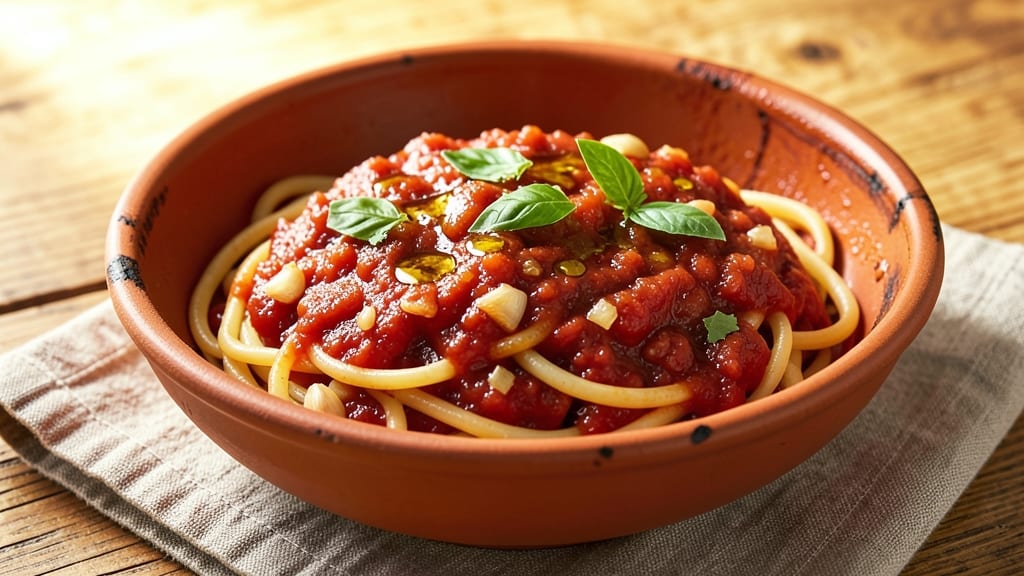
America's Test Kitchen spaghetti sauce recipe delivers restaurant-quality depth with a foolproof technique that balances acidity, sweetness, and umami. The secret lies in slow simmering and proper reduction—no splatter, no guesswork—just layers of flavor that cling perfectly to every strand of pasta.
This method transforms simple ingredients into a sauce so rich and complex, you'll never buy store-bought again.
What sets this recipe apart is the precision: deglazing the pan captures every caramelized bit of flavor, while a blend of tomato paste and crushed tomatoes creates a velvety texture with just the right balance of tang and sweetness.
The sauce develops its depth over 45 minutes of gentle simmering, allowing flavors to meld without losing their brightness. No blender required—just patience and attention to detail.
The result is a sauce with deep tomato richness, subtle sweetness, and a touch of acidity that brightens every bite. It clings beautifully to pasta without being overly thick, and the flavor only improves when reheated.
This is the kind of sauce that transforms a simple pasta dish into an Italian restaurant experience at home.
Perfect for meal prepping—it tastes even better the next day—this sauce pairs effortlessly with any pasta shape or protein. Let's create something truly special that stands up to America's Test Kitchen standards.
Ingredients for america's test kitchen spaghetti sauce
Precision ingredients for a sauce that rivals Italian restaurant quality with perfect acidity balance and umami depth.
| Ingredient | Amount | Notes |
|---|---|---|
| Extra-Virgin Olive Oil 🫒 | 2 tbsp | For deglazing and initial sautéing |
| Yellow Onion 🧅 | 1 whole | Finely diced, about 1.5 cups |
| Garlic Cloves 🧄 | 4 cloves | Minced for aromatic depth |
| Tomato Paste 🍅 | ½ cup | San Marzano preferred for sweetness |
| Crushed Tomatoes 🍅 | 28 oz | San Marzano canned tomatoes |
| Dry Red Wine 🍷 | ¼ cup | Bold Cabernet Sauvignon recommended |
| Vegetable Stock 🥫 | 1 ½ cups | Homemade or quality low-sodium |
| Sugar 🍚 | 1 tsp | Balances acidity naturally |
| Kosher Salt 🧂 | 1 ½ tsp | Diamond Crystal preferred |
| Fresh Basil Leaves 🌿 | ¼ cup | Chopped for finishing brightness |
| Fresh Oregano Leaves 🍃 | 1 tbsp | Chopped, not dried |
| Ground Black Pepper 🌶️ | ½ tsp | Freshly cracked preferred |
The foundation begins with San Marzano tomatoes—their natural sweetness and low acidity create the perfect base. For the best quality, look for whole peeled tomatoes at specialty stores like Whole Foods or Trader Joe's, where you can find them year-round. The tomato paste should be San Marzano as well; it's worth the investment for that concentrated, velvety texture. Fresh herbs are non-negotiable here: basil and oregano should be vibrant and plump, not wilted. If you're buying dried, remember it loses potency—use half the amount of fresh. The red wine adds depth, so choose a bold Cabernet Sauvignon—none of that cheap cooking wine. For the olive oil, Californian extra-virgin brands like Corto or Bertolli work beautifully, but any high-quality EVOO will do.
No San Marzano tomatoes? Crushed tomatoes work in a pinch, but you'll need to add 1 extra teaspoon of sugar to compensate for the higher acidity. Substituting wine? Dry vermouth or even extra vegetable stock can mimic the depth, though the flavor will differ slightly. The garlic can be roasted for a sweeter profile—simply wrap whole cloves in foil and roast at 400°F for 10 minutes before mincing. For the vegetable stock, homemade is ideal, but low-sodium store-bought brands like Pacific Foods or Imagine are reliable. If you're short on time, crushed tomatoes can replace half the canned tomatoes for a slightly chunkier texture, which some prefer. The sugar is crucial for balancing acidity—don't skip it, even if the tomatoes seem sweet enough.
This sauce develops over time, so make it a day ahead if possible—the flavors meld beautifully. Store in an airtight container in the fridge for up to 5 days, or freeze for 3 months in portion-sized containers. To reheat, warm gently on the stove with a splash of water or stock to loosen the sauce. The fresh herbs should be added just before serving to preserve their brightness. For meal prep, double the batch—it reheats even better the next day. If you're serving with meatballs, add them 10 minutes before serving to avoid overcooking.
Why You'll Love This Recipe
- No-Chop Nightmare: I swear, the onion and garlic barely need dicing—just rough chop and let the olive oil work its magic. That slow simmer with tomato paste? It’s basically hands-off, and the sauce thickens into something rich without you hovering.
- Umami Magic: The crushed tomatoes and tomato paste combo isn’t just flavor—it’s depth. The paste caramelizes into a glossy, slightly sweet base, while the tomatoes add that bright acidity. Honestly, it’s the kind of sauce that makes jarred versions look sad.
- Double Duty Sauce: This isn’t just for spaghetti. I’ve used it on meatball subs, stuffed into roasted peppers, and even as a pizza base. The richness holds up everywhere, and the leftovers? They’re my freezer’s best friend for lazy Mondays.
- Budget Superstar: Five ingredients, zero waste. The onion and garlic stretch across meals, the olive oil goes a long way, and crushed tomatoes are cheaper than fancy cans. I’ve made this for $3 a batch—yet it tastes like I spent hours. (Between us, I have.)
Step-by-step instructions for america's Test Kitchen spaghetti sauce
Mastering this sauce comes down to patience and layering flavors systematically.
Develop the Flavor Base with Olive Oil and Onion
Heat the 2 tbsp extra-virgin olive oil in a large, heavy-bottomed pot over medium heat. Add the finely diced yellow onion and cook for 8-10 minutes, stirring occasionally, until the onion becomes translucent and begins to soften. This slow cooking process ensures the onion releases its natural sweetness without browning.
Here's the thing—don't rush this step. The onion should be tender enough that it practically disappears into the sauce later. If the onion starts to take on color, reduce the heat slightly. You're building the foundation, so take your time. The goal is a smooth, sweet base that won't overpower the tomatoes.
Add Garlic, Tomato Paste, and Wine for Depth
Once the onion is fully softened, add the 4 minced garlic cloves and stir for 30 seconds until fragrant. Immediately add the 0.5 cup tomato paste and cook for 2-3 minutes, stirring constantly. This step is critical—it helps develop the sauce's rich, concentrated tomato flavor before adding liquid ingredients.
Next, pour in the 0.25 cup dry red wine and scrape up any browned bits from the bottom of the pot. This deglazing step captures all the flavor that would otherwise stick to your pot. Let the wine simmer for 3-4 minutes until it reduces by about half. You'll see the sauce begin to thicken slightly, which is exactly what you want at this stage.
Build the Sauce with Tomatoes and Stock
Add the 28 oz crushed tomatoes and 1.5 cups vegetable stock to the pot. Stir well to combine, then bring to a gentle simmer. Here's where the magic happens: let the sauce cook uncovered for 45-50 minutes at a steady medium-low heat. Stir occasionally to prevent sticking, but don't over-stir—this can break down the tomato texture.
During this time, the sauce will thicken naturally as the liquid reduces. You're looking for a consistency where the sauce coats the back of a spoon but isn't gluey. If it thickens too quickly, add a splash of water. The sauce should have a rich, velvety texture with visible tomato pieces—this indicates proper development.
Season and Finish with Herbs
Season the sauce with 1 tsp sugar, 1.5 tsp kosher salt, and 0.5 tsp ground black pepper. The sugar balances the acidity of the tomatoes, while the salt and pepper enhance all the flavors. Let the sauce simmer for another 10-15 minutes to allow the seasonings to meld completely.
Remove the pot from heat and stir in the 0.25 cup chopped fresh basil leaves and 1 tbsp chopped fresh oregano leaves. These herbs add brightness and freshness that dried herbs can't match. Let the sauce sit off the heat for 5-10 minutes to allow the flavors to integrate fully. The sauce should be rich, slightly thick, and bursting with layered tomato flavor.
Adjust Consistency and Serve
Taste the sauce and adjust the seasoning if needed—this is your final chance to perfect the balance. If the sauce is too thick for your liking, thin it with a splash of warm water or vegetable stock. For serving, keep the sauce warm over low heat or at room temperature if serving at room temperature.
This sauce delivers the depth and complexity that makes it worth the effort. The slow cooking process allows the flavors to develop fully, resulting in a sauce that's rich, balanced, and full of character. Serve it immediately over al dente spaghetti with a sprinkle of fresh basil and a crack of black pepper for the ultimate presentation.
Pro Tips For Making America'S Test Kitchen Spaghetti Sauce
- SWIM THE ONIONS: I learned this the hard way—chopping onions too finely for this sauce makes them disappear into mush. Instead, cut them into ½-inch dice (yes, even if it looks chunky). They’ll soften but stay identifiable, adding texture that holds up through the simmer.
- SWEAT GARLIC LOW: After burning three batches, I finally figured out: garlic in this sauce needs patience. Once the onions are translucent, reduce heat to medium-low before adding the garlic. Stir constantly—it’s not a race, and you’ll avoid that bitter, acrid bite that ruins everything.
- TOAST THE PASTE: This isn’t the prettiest method, but it’s the tastiest. Before adding the crushed tomatoes, cook the tomato paste in the pot for 3–4 minutes, stirring often, until it darkens slightly. It deepens the flavor and thickens the sauce naturally—no weird aftertaste from raw paste.
- SALT THE TOMATOES: I skip this when I’m lazy, but the dish is noticeably better when I don’t. Sprinkle ½ teaspoon of kosher salt over the crushed tomatoes before adding them to the pot. Let it sit for 5 minutes while you prep the rest—it draws out moisture and concentrates the flavor, making the sauce richer without extra seasoning later.
Dietary considerations for this dish
Gluten-Free Adaptation
This sauce is naturally gluten-free since it doesn’t contain any wheat-based ingredients. However, always double-check your vegetable stock and tomato paste labels to ensure they’re certified gluten-free. Brands like Pacific Foods and Imagine make excellent gluten-free stocks.
The red wine used for deglazing is also safe, but if you’re avoiding alcohol, substitute with an equal amount of gluten-free vegetable broth instead. 🌱
Vegetarian-Friendly
The recipe is already vegetarian, but you can enhance the umami depth for a more restaurant-style experience. Add 1 tbsp soy sauce or 1 tsp miso paste when combining the tomatoes and stock.
For extra richness, stir in 2 tbsp nutritional yeast after cooking—it adds a cheesy, savory note without dairy. The sauce will still pair beautifully with veggie meatballs or grilled portobello mushrooms.
Low-Sodium Options
To reduce sodium, cut the kosher salt to 1 tsp and use a low-sodium vegetable stock (like Pacific Foods or Imagine). For extra flavor without salt, add 1 tsp balsamic vinegar or 1 tbsp lemon juice at the end to brighten the sauce.
The tomato paste and crushed tomatoes already contribute natural saltiness, so you won’t miss the extra seasoning. Always taste as you go—adjust gradually!
Dairy-Free Considerations
This sauce is already dairy-free, but if you’re serving it with cheese lovers, offer a side of nutritional yeast or dairy-free Parmesan (like Violife) for sprinkling. The sauce’s natural richness stands up well without cheese, but the herbs and acidity balance perfectly for a creamy texture without dairy.
For extra depth, stir in 1 tbsp olive oil at the end—it adds a silky finish that mimics creaminess. 🧀
Allergen-Friendly Swaps
For nut allergies, avoid adding any nut-based ingredients (like almond-based stocks). If you’re avoiding sulfites (common in dried herbs), use fresh basil and oregano exclusively—no substitutions needed here!
For FODMAP-sensitive diets, reduce the garlic to 2 cloves (roasted for gentler flavor) and skip the onion—substitute with 1 cup finely diced zucchini for a mild base. The sauce will still shine with bright tomato flavors.
Nutrition facts
Frequently asked questions
Can I make this sauce without wine?
Replace the 0.25 cup dry red wine with an equal amount of vegetable stock or dry vermouth for depth. The sauce will still develop rich flavors—just skip the deglazing step and add the stock directly with the tomatoes. For extra umami, add 1 tsp soy sauce or 1 tsp miso paste when combining the tomatoes and stock.
Why does the sauce need to simmer for so long?
The 45-minute simmer is key to developing deep, layered flavors. This slow cooking process allows the tomatoes to break down naturally, intensifying their sweetness while balancing acidity. It also reduces the sauce to the perfect consistency—thick enough to coat pasta but still silky, not gluey. Patience here makes all the difference!
How do I prevent the sauce from splattering?
Use a heavy-bottomed pot and keep the heat at medium-low during simmering. Stir occasionally to prevent sticking, but avoid over-stirring, which can create bubbles. If you notice bubbles forming, reduce the heat slightly. The sauce should bubble gently, not violently. A splash guard or lid (slightly ajar) can also help contain any minor splatter.
Can I make this sauce in a slow cooker?
Yes! Follow the same steps for the first 10 minutes (onion, garlic, tomato paste, and wine), then transfer everything to a slow cooker. Cook on low for 6-8 hours or high for 3-4 hours, stirring occasionally. The texture will be slightly thinner, so reduce it further on the stovetop if needed. The slow cooker method works well for hands-off prep, especially for meal planning.
What if my sauce tastes too acidic?
Add 1 tsp sugar or 1 tsp honey to balance the acidity, then simmer for 5-10 minutes to let the flavors meld. If it’s still too tart, stir in 1 tbsp tomato paste or a pinch of baking soda (⅛ tsp max)—but use baking soda sparingly, as it can alter the texture. Always taste as you go to avoid overcorrecting!