
Sauces & Condiments
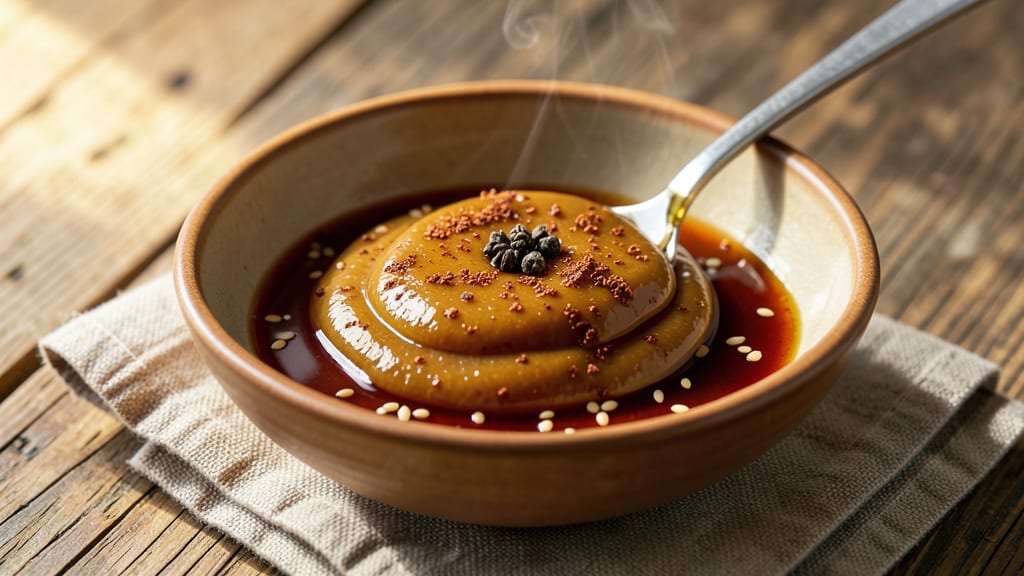
This amber sauce recipe transforms simple ingredients into a rich, smoky-sweet glaze that elevates grilled meats from ordinary to extraordinary.
The key lies in balancing maple syrup’s natural depth with a touch of soy sauce and spices, then reducing it into a glossy, caramelized drizzle that clings beautifully to every bite.
I developed this sauce after years of experimenting with barbecue glazes, and it’s now my go-to for both weeknight dinners and special occasions.
The process is straightforward but requires patience—simmering the sauce until it reaches that perfect amber hue and thick, syrupy consistency. You’ll need just five core ingredients: pure maple syrup, soy sauce, apple cider vinegar, ground cinnamon, and a pinch of smoked paprika for that signature smokiness.
The reduction step is where the magic happens, concentrating flavors into something deeply aromatic and irresistibly sticky.
What you’ll end up with is a versatile sauce that works as a glaze for ribs, a drizzle for grilled chicken, or even a tangy dip for spring rolls.
The balance of sweet, smoky, and slightly tangy flavors makes it adaptable to almost any dish, while its glossy finish adds an elegant touch.
Best of all, it keeps well in the refrigerator for up to two weeks, so you can make a big batch and use it all season long.
Ready to elevate your grilling game? This sauce is the secret weapon that turns simple proteins into showstopping centerpieces. Let’s get started—your taste buds (and dinner guests) will thank you.
Ingredients for amber sauce
Five simple ingredients transform into a smoky-sweet glaze that makes everything taste gourmet.
| Ingredient | Amount | Notes |
|---|---|---|
| Pure Maple Syrup 🍁 | 1 ½ cups | Grade B for deeper flavor |
| Soy Sauce 🥢 | ½ cup | Light or dark variety |
| Apple Cider Vinegar 🍎 | ¼ cup | Unfiltered preferred |
| Ground Cinnamon 🌿 | 1 tsp | Freshly ground preferred |
| Smoked Paprika 🌶️ | 1 tsp | For signature smokiness |
| Salt 🧂 | ½ tsp | Kosher or sea salt |
| Olive Oil 🫒 | 1 tbsp | For deglazing pan |
Maple syrup is the star here—Grade B has that deeper, caramelized flavor that makes this sauce special. I always grab mine from Wegmans or Whole Foods since they carry the higher-grade stuff. The soy sauce can be light or dark, but Kikkoman is my go-to because it's consistent. Apple cider vinegar adds that bright tang, so don't skimp on quality—Bragg is my favorite, but any unfiltered kind works. The smoked paprika is what gives this sauce its signature smoky depth—Penzeys has the best selection if you want to splurge, but regular grocery store brands are fine too.
No maple syrup? Brown sugar syrup (1 cup brown sugar + 1/4 cup water) works in a pinch, though it won't have that same rich maple flavor. Short on soy sauce? Coconut aminos gives a similar umami punch. The vinegar can be swapped for lemon juice, but you'll lose that apple cider complexity. Want more heat? Add a pinch of cayenne. The olive oil is just for deglazing—if you're making this in a nonstick pan, you can skip it entirely. The cinnamon and smoked paprika are non-negotiable though—they're what give this sauce its signature warm, smoky-sweet balance.
This sauce gets better as it reduces. Let it simmer until it reaches that perfect amber color—it should coat the back of a spoon like thick syrup. Store it in a clean, airtight jar in the fridge for up to 2 weeks. It thickens as it cools, so you can reheat it gently with a splash of water if it gets too stiff. I always make a double batch because it disappears fast—great for ribs, grilled chicken, or even as a drizzle for roasted vegetables.
Why You'll Love This Recipe
- Here’s what sold me: that first tangy hit of apple cider vinegar cuts through the richness, while the smoked paprika adds this smoky whisper that makes it feel gourmet. The cinnamon? It’s like a warm hug for your taste buds—especially when drizzled over roasted veggies or grilled meats.
- Five-Ingredient Magic: I swear by this one—just maple syrup, soy sauce, vinegar, and two spices. That’s it. No fancy prep, no hidden pantry raids. Honestly, if I can’t measure it out while chatting with my kid about their day, you can too.
- Sweet-Savory Balance: Here’s what sold me: that first tangy hit of apple cider vinegar cuts through the richness, while the smoked paprika adds this smoky whisper that makes it feel gourmet. The cinnamon? It’s like a warm hug for your taste buds—especially when drizzled over roasted veggies or grilled meats.
- Weeknight & Holiday: Between us, this sauce is my secret weapon for lazy nights and impressing guests. Drizzle it on pancakes for brunch, toss it with tofu for a quick dinner, or glaze a ham—it works every time. (Yes, even on a Tuesday night.)
Step-by-step instructions for smoky maple-glazed drizzle
This sauce comes together in minutes with bold flavors that elevate grilled meats to restaurant quality.
Warm the Maple Syrup and Aromatics
Combine the 1.5 cups pure maple syrup and 1 tbsp olive oil in a medium saucepan over medium heat. Let it warm gently for 3-4 minutes until the syrup begins to shimmer at the edges. This step prevents shocking the syrup when you add the vinegar later.
While the syrup heats, add the 1 tsp ground cinnamon and 1 tsp smoked paprika directly to the pan. Stir constantly for 30 seconds to bloom the spices and infuse their flavors into the syrup. You'll notice the aroma deepen—this is when the magic starts. Keep the heat at medium to prevent scorching while allowing the spices to fully integrate.
Add Vinegar and Soy Sauce for Depth
Carefully pour in the 0.25 cup apple cider vinegar and 0.5 cup soy sauce. The mixture will bubble vigorously—this is normal. Reduce the heat to medium-low and let it simmer for 5-6 minutes until the volume reduces by about one-third. You're looking for a syrupy consistency that coats the back of a spoon.
Here's the thing—don't walk away. The vinegar will react with the soy sauce and create a complex umami base. Stir occasionally to prevent sticking, and watch for a rich amber color developing. This is your visual cue that the flavors are melding perfectly. If it starts to darken too quickly, reduce the heat slightly to maintain balance.
Season and Simmer to Perfection
Add the 0.5 tsp salt and stir well to dissolve completely. Let the sauce continue simmering for another 3-4 minutes until it reaches your desired thickness. I like mine to be syrupy but pourable—thick enough to cling to meats but still drizzle easily.
Taste and adjust seasoning if needed. You might want to add a pinch more salt or a splash of vinegar for brightness. The sauce should be sweet, smoky, tangy, and slightly salty—all flavors should balance harmoniously. If it's too thin, simmer uncovered for another minute or two to reduce further. If it's too thick, you can thin it later with a few drops of water when drizzling.
Strain and Cool for Best Results
Remove the sauce from heat and let it cool for 5 minutes. Then strain it through a fine-mesh sieve into a clean bowl to remove any sediment. This step ensures a smooth, professional finish—especially important if you're drizzling over delicate meats.
Let the sauce cool completely before using. The flavors will continue developing as it cools, deepening that smoky maple profile. Store any leftovers in an airtight container in the refrigerator for up to 1 week, or freeze for 3 months. When reheating, warm gently over low heat or in the microwave to maintain its perfect consistency.
Pro Tips For Making Amber Sauce
- Simmer Slow and Steady: Start on medium heat—amber sauce burns faster than you’d think. After the vinegar hits, let it bubble gently for at least 5 minutes to marry the flavors without scorching the syrup.
- Use Real Maple Syrup: Cheap pancake syrup won’t cut it here. Grade B maple syrup (the darker, more robust kind) adds depth, but even Grade A works if you add an extra pinch of smoked paprika to compensate.
- Balance the Vinegar First: Taste the raw vinegar-syrup mix before adding soy sauce—it’s easier to fix over-sourness later than to salvage a muddy, salty mess. A splash of cold water thins it out if it’s too thick.
- Toast the Spices Separately: Heat the cinnamon and smoked paprika in a dry pan for 30 seconds until fragrant—this amplifies their flavor without burning. Stir them into the warm sauce at the end so they don’t clump.
Creative variations of this amber sauce
Sweet & Spicy Fusion
For a bold twist, add ½ tsp cayenne pepper and 1 tbsp honey to the finished sauce. The cayenne brings heat while the honey deepens the sweetness, creating a perfect balance for dishes like honey-glazed ribs or spicy grilled shrimp.
I like to drizzle this over caramelized onions for a sweet-spicy topping on burgers or tacos. 🌶️
Umami Boost
Swap out half the soy sauce for ½ cup fish sauce to create a Thai-inspired variation. This works brilliantly with grilled lemongrass chicken or as a dipping sauce for spring rolls. The fish sauce adds a deeper, funkier umami that pairs beautifully with the maple's sweetness.
Just reduce the sauce longer—fish sauce has a stronger flavor, so you'll need about 10-12 minutes of simmering to balance it.
Herb-Infused Twist
Add 1 tbsp chopped fresh rosemary or thyme while simmering the sauce for an aromatic twist. This version shines on herb-roasted lamb chops or grilled vegetables.
The herbs release their oils during the reduction, creating layers of complexity. For extra depth, infuse the sauce with 1 cinnamon stick while simmering—remove it before straining.
White Wine Reduction
Replace the apple cider vinegar with ½ cup dry white wine and reduce the soy sauce to ¼ cup. This lighter version pairs perfectly with grilled seafood like salmon or scallops. The wine adds a bright acidity that cuts through the richness of the maple.
Let it simmer uncovered until it reaches a glossy, syrupy consistency—about 12-15 minutes—and finish with a squeeze of lemon juice for brightness.
Caramelized Onion Base
For a richer texture, start by caramelizing 1 cup thinly sliced onions in 1 tbsp butter until golden. Deglaze with 2 tbsp apple cider vinegar, then proceed with the original recipe.
This version has a deeper, almost jam-like consistency that works wonderfully as a dipping sauce for fries or a glaze for pork tenderloin. The onions add natural sweetness that enhances the maple flavor.
Slow-Cooked BBQ Style
Transform this into a slow-cooked BBQ sauce by simmering it for 2-3 hours on low heat. Add 1 tbsp molasses and 1 tsp liquid smoke for a smoky, slow-cooked depth. This works as a dry rub base or a thick glaze for pulled pork.
The longer cooking time develops a deeper, more complex flavor profile that rivals store-bought BBQ sauces. 🔥
Nutrition facts
Frequently asked questions
Can I make this amber sauce without maple syrup?
Yes! For a similar depth of flavor, use 1 cup brown sugar syrup (1 cup brown sugar + ¼ cup water) instead. Simmer it longer—about 8-10 minutes—to achieve the same caramelized richness. The sauce will have a slightly different profile but still work beautifully as a glaze.
How long will this sauce keep, and can I freeze it?
Store the sauce in an airtight container in the fridge for up to 2 weeks. For longer storage, freeze it in ice cube trays or small containers for 3 months. Thaw overnight in the fridge before using. The texture may thicken slightly when frozen, so reheat gently with a splash of water if needed.
What’s the best way to use this sauce on grilled meats?
Brush it on during the last 5-7 minutes of grilling for a caramelized crust, or drizzle it over finished meats for a glossy finish. For extra flavor, marinate your protein in half the sauce for 30 minutes before cooking. It also works as a dipping sauce for spring rolls or a drizzle for roasted vegetables.
Why did my sauce turn too dark or bitter?
Over-simmering or high heat causes bitterness. Keep the heat at medium-low and stir frequently. If it darkens too quickly, add a splash of vinegar or water to balance the flavors. For a smoother sauce, strain it through a fine-mesh sieve before serving.
Can I adjust the sweetness or spice level?
Reduce the maple syrup by ¼ cup for less sweetness, or add ½ tsp cayenne for heat. For extra depth, stir in 1 tsp vanilla extract or ½ tsp garlic powder while simmering. Taste and adjust as you go.