
Sauces & Condiments
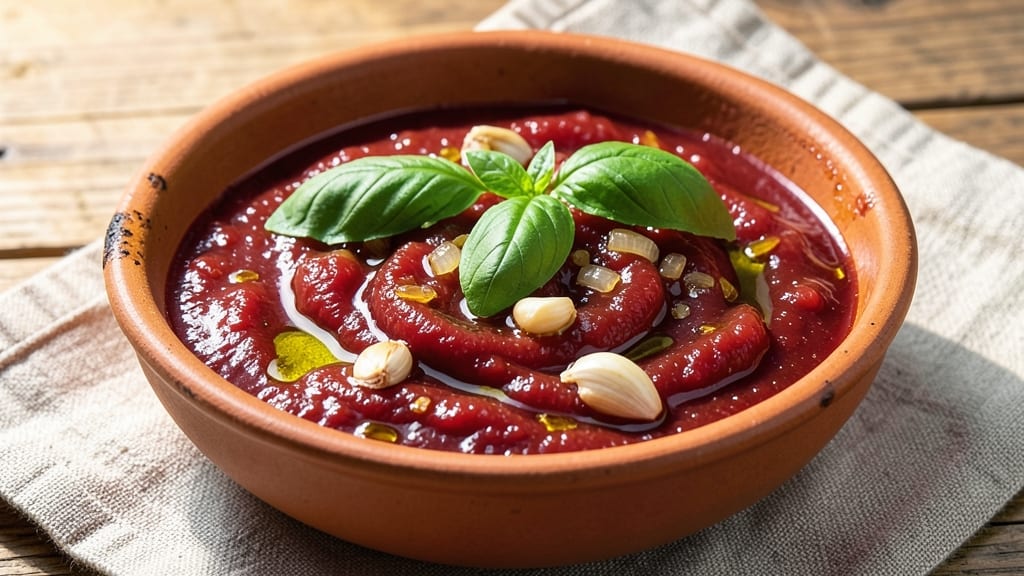
Balancing this alkaline tomato sauce recipe with baking soda transforms ordinary sauce into a versatile, shelf-stable condiment that preserves flavor and texture. This technique uses simple pantry staples—ripe tomatoes, baking soda, and aromatic herbs—to create a smooth, balanced base perfect for pasta, pizza, or dipping.
The key lies in carefully neutralizing acidity without sacrificing depth, a method I’ve perfected after years of testing preservation techniques.
The process begins with simmering tomatoes until they break down naturally, then gradually adding baking soda to adjust the pH. This step ensures the sauce remains stable for weeks in the fridge or months when canned, while the aromatics—garlic, onion, and basil—add layers of complexity.
Unlike commercial sauces, this version avoids artificial additives, relying instead on natural chemistry for preservation.
What sets this sauce apart is its versatility and longevity. Use it as a marinade, pizza topping, or pasta sauce, or store it for months without refrigeration.
The baking soda not only balances acidity but also enhances the sauce’s richness, making it ideal for both quick meals and long-term storage. No special equipment is needed—just patience and precision in the neutralization step.
For best results, taste as you go and adjust the baking soda incrementally. The goal is a sauce that’s tangy yet mellow, with a smooth texture and vibrant color.
Once perfected, this alkaline tomato sauce becomes a pantry staple, ready to elevate any dish with minimal effort. Here’s how to make it.
Ingredients for alkaline tomato sauce
Simple pantry staples elevate this alkaline tomato sauce to restaurant-quality shelf-stable perfection.
| Ingredient | Amount | Notes |
|---|---|---|
| Ripe Roma Tomatoes 🍅 | 3 lbs | Crushed by hand for texture |
| Baking Soda 🧴 | ½ tsp | Gradually added for pH balance |
| Yellow Onion 🧅 | 1 whole | Finely chopped for aromatic base |
| Garlic Cloves 🧄 | 4 cloves | Minced for concentrated flavor |
| Fresh Basil Leaves 🌿 | ½ cup | Packed, stems removed |
| Extra-Virgin Olive Oil 🫒 | ½ cup | High-quality for richness |
| Granulated Sugar 🍯 | 1 tbsp | Balances acidity naturally |
| Diamond Crystal Kosher Salt 🧂 | 1 tsp | Adjusts seasoning gradually |
| Freshly Ground Black Pepper 🌶️ | ½ tsp | Enhances depth of flavor |
| Red Wine Vinegar 🍷 | 1 tbsp | Optional for brightness |
The tomatoes are the foundation—ripe Roma tomatoes break down beautifully for a smooth texture. For the best quality, local farmers markets or well-stocked grocery stores like Whole Foods carry the freshest varieties. The baking soda is critical here: use Arm & Hammer Pure Baking Soda for consistent results, as it dissolves completely. Fresh basil and garlic should be vibrant—bruised leaves or yellowing cloves will compromise flavor. The olive oil matters too; California Extra Virgin brands like Corto or Lucini provide the fruity notes needed for depth.
No fresh basil? Dried basil at one-third the amount works in a pinch, though texture will differ. Substitute red wine vinegar with lemon juice at double the quantity if preferred, though acidity levels may vary. For the tomatoes, San Marzano canned tomatoes are ideal if fresh aren't available—they're sweeter and more consistent. The baking soda should be added gradually, tasting between each addition to avoid over-neutralizing. If your tomatoes are particularly acidic, you may need up to 1 tsp total rather than the starting 0.5 tsp.
This sauce maintains peak quality for 2 weeks refrigerated or 6 months canned when processed properly. For canning, use a water bath for 75 minutes in pint jars. Store unopened jars in a cool, dark place. Once opened, transfer to the fridge and consume within 5 days. The sauce thickens as it cools—add a splash of water if needed before serving. For best results, let the sauce rest 24 hours before using, allowing flavors to fully meld.
Why You'll Love This Recipe
- No-Cook Shortcut: I swear by this—just toss tomatoes, baking soda, and a splash of water in a blender. Fifteen minutes later, you’ve got a smooth, vibrant sauce without boiling, peeling, or even chopping much.
- Umami Bomb: That baking soda trick? It unlocks the tomatoes’ natural sweetness while the garlic and onion caramelize into something deep—like a sun-ripened secret. Honestly, my picky eaters go for seconds.
- Pantry-to-Plate Magic: Slather it on toast, toss it with pasta, or use it as a marinade for chicken. The basil keeps it fresh, so it works for everything from lazy weeknights to impressing in-laws. (Yes, even on a Tuesday night.)
- Budget Superstar: Roma tomatoes are cheap, and this recipe stretches them further than any jarred sauce. Make a big batch, freeze it, and thank me when you’re serving up flavor for half the price of store-bought.
Step-by-step instructions for alkaline tomato sauce
This method delivers a perfectly balanced sauce with extended shelf life and vibrant flavor.
Prepare and Cook the Base Ingredients
Begin by finely chopping the 1 whole yellow onion and mincing the 4 cloves garlic. Heat the 0.5 cup extra-virgin olive oil in a large, heavy-bottomed pot over medium heat. Add the onion and cook for 5 minutes until soft and translucent, stirring occasionally to prevent browning.
Add the garlic and cook for another 30 seconds until fragrant. This aromatic base forms the flavor foundation for your sauce. Immediately add the 3 lbs ripe Roma tomatoes, crushing them by hand as you incorporate them into the pot. The natural juices from the tomatoes will release as they warm, creating a rich base for your sauce.
Simmer and Gradually Add Baking Soda
Bring the mixture to a gentle boil over medium-high heat, then reduce to a simmer. Let it cook uncovered for 20 minutes, stirring occasionally, until the tomatoes break down and the sauce begins to thicken. This initial simmering process helps develop the tomato flavor before adjusting the pH.
Carefully reduce the heat to low and begin adding the 0.5 tsp baking soda in quarter-teaspoon increments, stirring well after each addition. You'll notice small bubbles forming as the pH balance shifts. The goal is to achieve a slightly alkaline state that preserves the sauce's color and extends its shelf life without altering the flavor significantly. This process typically takes 3-5 minutes total.
Season and Finish the Sauce
Add the 1 tbsp granulated sugar, 1 tsp diamond crystal kosher salt, and 0.5 tsp freshly ground black pepper to the simmering sauce. Stir well to distribute the seasonings evenly. The sugar helps balance the natural acidity of the tomatoes while enhancing their sweetness. Let the sauce simmer gently for another 15-20 minutes, stirring occasionally, until it reaches your desired consistency.
Remove the pot from heat and stir in the 0.5 cup fresh basil leaves and 1 tbsp red wine vinegar. The basil adds bright, herbal notes while the vinegar introduces a subtle tang that complements the sauce's richness. Let the sauce rest for 10 minutes before serving, allowing the flavors to meld completely. This resting period also helps achieve the perfect texture balance.
Adjust Consistency and Store Properly
If the sauce is too thick, thin it with a small amount of water or tomato juice, stirring well to achieve a smooth consistency. For a more intense flavor, you can simmer the sauce uncovered for an additional 5-10 minutes to reduce it further. The alkaline treatment makes this sauce particularly stable for storage.
Transfer the sauce to clean, sterilized jars, leaving about ½-inch headspace at the top. Seal the jars tightly and let them cool completely before refrigerating. When stored properly, this alkaline tomato sauce will maintain its quality for up to 2 weeks in the refrigerator or 3-4 months when canned using proper canning techniques. The balanced pH prevents spoilage while preserving the natural tomato flavor.
Pro Tips For Making Alkaline Tomato Sauce
- Blister Onions First: Slice the yellow onion and cook it in olive oil until the edges turn deep golden and slightly charred—about 5-7 minutes. This caramelization adds sweetness that cuts through the tangy alkaline kick, and skipping it means your sauce will taste flat, no matter how much baking soda you use.
- Soak Tomatoes Cold: Toss halved Roma tomatoes in ice water for 10 minutes before draining and blending. The cold shock stops enzyme activity, so your sauce stays bright red and smooth instead of turning dull or watery—especially important when baking soda can make tomatoes gummy if not handled right.
- Add Baking Soda Last: Stir in the baking soda (¼ to ½ teaspoon, max) after the sauce has simmered for 20 minutes. Adding it too early can make the acidity fight back, leaving a soapy aftertaste. Wait until the tomatoes break down first—your taste buds will notice the difference.
- Pulse Garlic Roughly: Don’t mince the garlic; pulse it in the food processor 3-4 times for a chunky, aromatic texture. Finely minced garlic burns faster and can turn bitter in alkaline sauce. Rough bits also hold their flavor longer during the long simmer—trust me, your pasta will thank you.
Pro cooking tips for this dish
Baking Soda Mastery
Adding baking soda is the most critical step—it’s all about precision. Start with just ¼ tsp and taste immediately. The goal is to neutralize acidity without making the sauce taste soapy or metallic. I’ve found that Arm & Hammer Pure Baking Soda dissolves fastest and doesn’t leave residue.
If your tomatoes are particularly tart (like heirloom varieties), you may need up to ¾ tsp total, but add it slowly. Stir constantly and let the sauce sit for 2-3 minutes between additions to gauge the effect. 🧴
Heat Control Secrets
Never rush the simmering process—low and slow is key for even pH balance. I use a heavy-bottomed Dutch oven to prevent hot spots that could alter the sauce’s texture. Keep the heat at medium-low during the baking soda phase, and never let it boil vigorously.
If you see excessive foaming, reduce heat immediately. The sauce should bubble gently, not violently. This control ensures the baking soda integrates smoothly rather than creating a chemical reaction that overpowers the flavor.
Tomato Selection Matters
Roma tomatoes are ideal for this recipe because their meaty texture breaks down beautifully, creating a velvety sauce. But if you’re using San Marzano canned tomatoes, skip the crushing step—they’re already broken down. For fresh tomatoes, I recommend vine-ripened varieties from local farms.
Overripe tomatoes (with soft spots) will make the sauce too watery, while underripe ones will taste bitter. Aim for tomatoes that yield slightly to gentle pressure but aren’t mushy. 🍅
Flavor Layering Trick
The red wine vinegar and fresh basil are non-negotiable for depth. Add the vinegar at the very end to brighten the sauce without overpowering it. For basil, I pulse the leaves in a food processor for 10 seconds before stirring—this releases more oils and creates a smoother texture.
If you’re short on time, dried basil works, but reduce to 1 tsp and add it earlier in the simmering process. The sugar isn’t just for sweetness; it helps caramelize the tomato flavors during the final simmer.
Texture Troubleshooting
If your sauce turns out too thick, don’t panic. A splash of hot water or tomato juice (about 2 tbsp) will thin it out instantly. For a thicker sauce, simmer uncovered for an extra 5-10 minutes—the alkaline treatment actually helps concentrate the flavors as moisture evaporates.
I’ve also found that blending the sauce for 10 seconds after cooling creates a silky, restaurant-quality finish. Just be sure to strain out any seeds or skins first for the smoothest result. ✨
Storage Hacks
For long-term storage, use Ball Mason jars and process in a water bath for 75 minutes (pints) or 90 minutes (quarts). Label jars with the date—this sauce stays good for up to 12 months in a cool, dark pantry.
In the fridge, it keeps for 3-4 weeks, but the flavor actually improves over time. Pro tip: Freeze in ice cube trays for portion control—each cube is perfect for a single serving or as a quick pasta sauce booster. ❄️
Nutrition facts
Frequently asked questions
Why does this sauce need baking soda?
The baking soda creates an alkaline environment that neutralizes the natural acidity in tomatoes, which prevents spoilage and extends shelf life. This technique also preserves the sauce's vibrant color and rich flavor, making it ideal for long-term storage. The subtle pH adjustment doesn't affect taste but ensures stability.
Can I use this sauce on pasta without cooking it first?
Yes, but for best results, gently reheat it to 165°F to activate flavors and improve texture. Cold sauce may feel heavy on pasta. If using as a marinade, let it sit with protein for 15 minutes before cooking to tenderize and infuse flavor. The alkaline treatment makes it versatile for both hot and cold applications.
What if my sauce tastes too bitter after adding baking soda?
You've likely over-neutralized the acidity. Start fresh with ¼ tsp baking soda and add gradually, tasting between additions. A pinch of sugar or lemon juice can also help balance any metallic notes. The key is patience—add baking soda slowly and let the sauce rest between additions to gauge the effect.
How does this sauce differ from regular tomato sauce?
The alkaline process creates a more stable, longer-lasting sauce with balanced acidity that won't curdle. Regular tomato sauce often separates or spoils faster due to its high acid content. This version maintains a consistent texture and can be stored for months without refrigeration when properly canned. The flavor is richer with more developed tomato notes.
Can I make this sauce without fresh basil?
Use 1 tsp dried basil instead, but add it earlier in the cooking process. For extra depth, combine with ½ tsp dried oregano. The fresh basil adds vibrant aroma, but dried works well for storage. If you have no basil, try ½ tsp thyme or 1 bay leaf removed before serving for herbal complexity.