
Sauces & Condiments
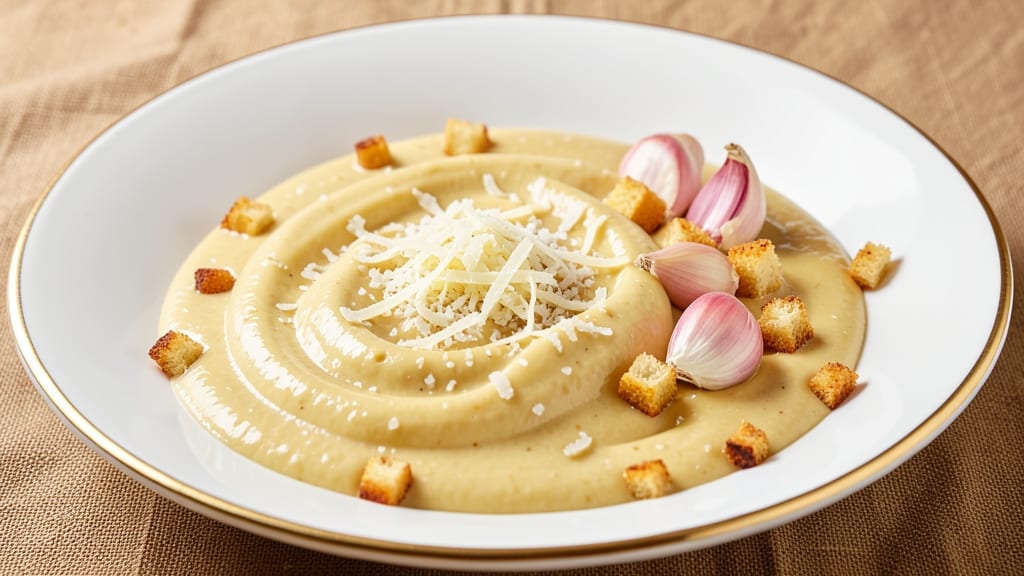
This Alfredo sauce recipe with parmesan and mozzarella cheese delivers the ultra-creamy, velvety richness you crave—no lumps, no separation, just pure indulgence. The secret lies in proper technique: melting butter slowly, whisking constantly, and adding cheese gradually to create a sauce that's silky-smooth and packed with cheesy depth.
I've perfected this version over years of testing, ensuring it coats pasta perfectly without turning gluey.
The combination of sharp parmesan and mild mozzarella creates that signature alfredo flavor—tangy yet creamy, with just enough richness to satisfy.
What makes this recipe stand out is the foolproof method: no heavy cream needed (though you can add it for extra decadence), just butter, garlic, and a precise cheese ratio that delivers restaurant-quality results at home.
The sauce thickens beautifully while staying light enough to cling to every strand of pasta.
By the time you twirl that first forkful, you'll taste perfectly balanced flavors—creamy, cheesy, and just slightly garlicky—without any bitterness or graininess. This sauce works equally well on fettuccine, chicken, or vegetables, and it reheats beautifully for leftovers.
The key is patience during the cooking process, allowing the cheese to melt completely before serving.
For extra richness, stir in a splash of heavy cream at the end, or keep it lighter with a sprinkle of nutritional yeast for a vegan-friendly version. Store leftovers in the fridge for up to 5 days, or freeze for longer storage. Here's how to make it perfectly every time.
Ingredients for alfredo sauce recipe with parmesan and mozzarella cheese
Eight ingredients transform into that dreamy, velvety alfredo you crave—no lumps, no separation, just pure cheesy indulgence.
| Ingredient | Amount | Notes |
|---|---|---|
| Unsalted Butter 🧈 | ¾ cup | Cold, cubed for even melting |
| Fresh Garlic Cloves 🧄 | 4 cloves | Minced, not pre-minced jarred |
| Parmesan Cheese 🧀 | 1 ½ cups | Freshly grated from block |
| Low-Moisture Mozzarella Cheese 🧀 | 1 cup | Shredded, part-skim preferred |
| All-Purpose Flour 🌾 | 2 tbsp | For thickening, Diamond Crystal preferred |
| Heavy Cream 🥛 | ½ cup | Optional for extra richness |
| Whole Milk 🥛 | ¼ cup | For silkiness, 2% works too |
| Salt 🧂 | ½ tsp | Fine sea salt, to taste |
| Black Pepper 🌶️ | ¼ tsp | Freshly cracked, to taste |
| Nutritional Yeast 🍄 | 1 tbsp | Optional vegan alternative |
The cheese is where magic happens. Parmigiano-Reggiano from a deli counter (not pre-grated) gives that sharp, nutty bite, while low-moisture mozzarella from a block (not shredded bag) melts like a dream. I always grab mine at Whole Foods—their selection is top-notch. For the butter, Plugrá or Land O'Lakes work perfectly, but avoid salted. Fresh garlic? Mince it yourself—those pre-minced jars have preservatives that kill flavor. Pro tip: Toast the garlic in the butter for 30 seconds before adding milk to deepen those nutty notes.
No heavy cream? Skip it entirely—this sauce is rich enough without it. Running low on mozzarella? Fontina or provolone work in a pinch, but they melt differently. Pre-grated cheese? Don't even think about it—it's full of anti-caking agents that turn your sauce grainy. For the flour, Diamond Crystal measures differently than regular—spoon it into the cup and level off. Want to make this vegan? Nutritional yeast plus cashew cream mimics that umami depth surprisingly well. The milk can be swapped for half-and-half if you're feeling decadent, but whole milk keeps it light yet creamy.
This sauce tastes even better the next day—honestly, it's when all the flavors meld perfectly. Store leftovers in an airtight container with a thin layer of olive oil on top to prevent a skin from forming. Keeps 5 days in the fridge, or 3 months frozen in ice cube trays for perfect single-serving portions. Reheat gently on low—never microwave it straight from the fridge, or you'll end up with oil separation. For extra richness, stir in a splash of warm milk when reheating.
Why You'll Love This Recipe
- Here’s what sold me: it’s fancy enough for date night (trust me, garlic butter pasta with this sauce feels chef’s kiss) but unfussy enough for game day or a last-minute dinner when friends drop by. The mozzarella gives it that creamy richness everyone loves, while the parmesan keeps it sophisticated.
- Five-Ingredient Magic: I swear by this combo—just butter, garlic, flour, and those two cheeses. No fancy pantry staples, no stressing over measurements. The mozzarella melts into that velvety blanket while the parmesan adds sharp little pops that make every bite sing.
- Weeknight Hero: Between us, this is the sauce I pull out when I’ve got 20 minutes and zero energy. Toss it with pasta, dump it on grilled chicken, or even drizzle it over roasted veggies—it’s my go-to for nights when takeout feels like too much work.
- Leftovers That Don’t Let You Down: Honestly, I make a double batch on Sundays because this sauce improves after sitting overnight. The flavors meld even better, and it reheats like a dream—no grainy texture, no sad clumps. Freezer-friendly too, so I can grab it for lazy Wednesdays.
Step-by-step instructions for ultra-creamy two-cheese alfredo sauce
Here's how to build a velvety, restaurant-quality sauce that clings perfectly to every strand of pasta.
Melt Butter and Bloom the Flour
In a medium saucepan, melt the 0.75 cup unsalted butter over medium-low heat until completely liquid but not browned. This gentle heat prevents burning while ensuring even melting. Add the 2 tablespoons all-purpose flour all at once and whisk vigorously for 1-2 minutes until smooth - this creates a roux that forms the sauce's foundation.
Watch closely as the mixture thickens slightly and loses its grainy texture. If it starts to smell nutty or brown, immediately reduce heat to low - this is your signal the roux is overcooking. The goal is a pale, creamy base that will later transform into our rich sauce.
Cook Garlic Until Fragrant
Add the 4 cloves minced fresh garlic and cook for exactly 30 seconds while stirring constantly. The garlic should transform from raw to golden, filling your kitchen with an intoxicating aroma. This brief cooking time is crucial - any longer and it burns, leaving bitter flavors that ruin the sauce.
I press down gently on the garlic with a wooden spoon during the first 10 seconds to help it release its oils more evenly. Immediately after the 30 seconds, remove the pan from heat - residual heat will continue cooking the garlic while preventing burning. This is the moment that matters: perfect garlic flavor without bitterness.
Add Cheeses and Liquids
Return the pan to medium-low heat and gradually whisk in the 0.5 cup heavy cream and 0.25 cup whole milk. Let the mixture simmer gently for 2-3 minutes until slightly thickened. This gradual warming prevents the dairy from curdling while allowing the flavors to meld.
Now comes the cheese magic: reduce heat to low and add the 1.5 cups freshly grated parmesan cheese and 1 cup shredded low-moisture mozzarella cheese all at once. Stir constantly for 3-4 minutes until completely melted and smooth. The sauce should thicken noticeably as the cheeses emulsify with the dairy. If using 1 tablespoon nutritional yeast, add it now for that umami depth without dairy.
Season and Finish
Add the 0.5 teaspoon salt and 0.25 teaspoon black pepper, stirring until fully dissolved. Taste and adjust seasoning - this is your quality checkpoint. The sauce should be rich but not salty, with a perfect balance of cheesy umami and creamy texture.
For extra silkiness, increase heat to medium and simmer for another 1-2 minutes, stirring constantly. If the sauce becomes too thick, whisk in 1-2 tablespoons hot pasta water to reach your desired consistency. The final sauce should coat the back of a spoon smoothly, with no lumps or graininess. Serve immediately over hot pasta for that signature creamy cling.
Pro Tips For Making Alfredo Sauce Recipe With Parmesan And Mozzarella Cheese
- Melt Butter Slowly: I learned this the hard way—dumping cold butter into the pan and watching it sputter like a grease fire. Instead, cut the butter into small cubes and add them one at a time to the garlic-flour roux. The sauce will emulsify smoother, and you won’t end up with a buttery glop.
- Grind Parmesan Fresh: Pre-shredded Parmesan is coated with anti-caking agents that turn your sauce into a grainy mess. Grab a microplane or pulse it in a food processor—even if it’s a pain, the difference in texture is night and day. (Yes, even if you’re impatient like me.)
- Watch the Mozzarella: Low-moisture mozzarella is your friend, but don’t let it turn into rubber. Once you stir in the cheese, remove the pan from heat immediately—even residual warmth will make it clump. If it looks curdled, whisk in a splash of warm pasta water to smooth it out.
- Bloom the Flour: Tossing in flour and stirring right away means you’re fighting lumps the whole time. Instead, let the flour sit in the butter for 30 seconds before adding garlic—this cooks off the raw taste and gives you a silky base. (Your future self will thank you.)
Essential equipment for this recipe
Saucepan Essentials
Start with a medium saucepan (2-3 quart capacity) for optimal heat distribution. I recommend All-Clad stainless steel—it heats evenly and won’t react with acidic ingredients.
Avoid nonstick pans; they can’t handle the sustained low heat needed for smooth emulsification. A heavy-bottomed pot prevents hot spots that burn your sauce. 🔥
Whisk and Heat Control
A balloon whisk (8-10 inches) is your best friend—it incorporates air for silkiness while preventing lumps. I use the OXO Good Grips model because it’s durable and comfortable. For heat control, a kitchen torch (like the Weck) helps melt cheese gently after removing from the stove, ensuring no scorching.
A thermometer ($15 on Amazon) keeps your heat at medium-low (250°F) for perfect melting.
Cheese Grating Tools
Freshly grated cheese makes all the difference—Microplane or box graters work best. For parmesan, I use a KitchenAid box grater with the fine side. Pre-shredded cheese contains anti-caking agents that ruin texture, so always grate your own.
A fine-mesh strainer (like OXO Good Grips) catches any stray bits before adding cheese to the sauce.
Storage Containers
For leftovers, glass Pyrex containers with tight lids preserve flavor better than plastic. I store sauce in 8x8-inch squares for easy reheating. If freezing, use silicone ice cube trays—they’re perfect for single-serving portions. A vacuum sealer (like FoodSaver) extends freshness to 3 months by locking out air. 🧊
Optional Upgrades
Want restaurant-quality results? A stand mixer (like KitchenAid Artisan) on low speed blends cheese smoothly without scorching. For extra richness, a small immersion blender (like Magic Bullet) emulsifies any lumps post-cooking.
A garlic press (like OXO) speeds up prep while keeping flavors fresh. These tools aren’t mandatory, but they elevate consistency.
Nutrition facts
Frequently asked questions
Can I substitute mozzarella with another cheese?
Yes! For a similar melt, try fontina or provolone—they add richness but may alter flavor slightly. Avoid pre-shredded cheese (it contains anti-caking agents that make sauce grainy). For extra tang, swap ½ cup mozzarella with ½ cup sharp cheddar. The key is using low-moisture varieties to prevent separation.
Why did my sauce get lumpy?
Lumps usually happen from adding cheese too quickly or not whisking enough. Always melt cheese over low heat while whisking constantly for 3-4 minutes. If lumps appear, blend briefly with an immersion blender or strain through a fine-mesh sieve. For prevention, add cheese gradually in small batches.
How do I make this sauce vegan?
Replace dairy with 1 cup cashew cream (soaked cashews blended with water) and 1 tbsp nutritional yeast for umami. Use vegan parmesan (store-bought or homemade) and vegan mozzarella (like Miyoko's). The texture will be slightly lighter but still creamy. Simmer for 5 extra minutes to thicken properly.
Can I make this sauce ahead of time?
Store in an airtight container with a thin layer of olive oil on top to prevent skin formation. It tastes even better the next day as flavors meld. Reheat gently on low heat while stirring constantly—never microwave directly from the fridge, or it may separate. For freezing, portion into ice cube trays and store for up to 3 months.
What's the secret to ultra-smooth texture?
The magic is in the technique: melt butter slowly over low heat, whisk constantly when adding cheese, and strain through a fine-mesh sieve if needed. For extra silkiness, whisk in 1 tbsp cold butter at the end. Avoid high heat—it causes cheese to seize up. Patience is key: let the sauce thicken naturally over 5-7 minutes of gentle simmering.