
Sauces & Condiments
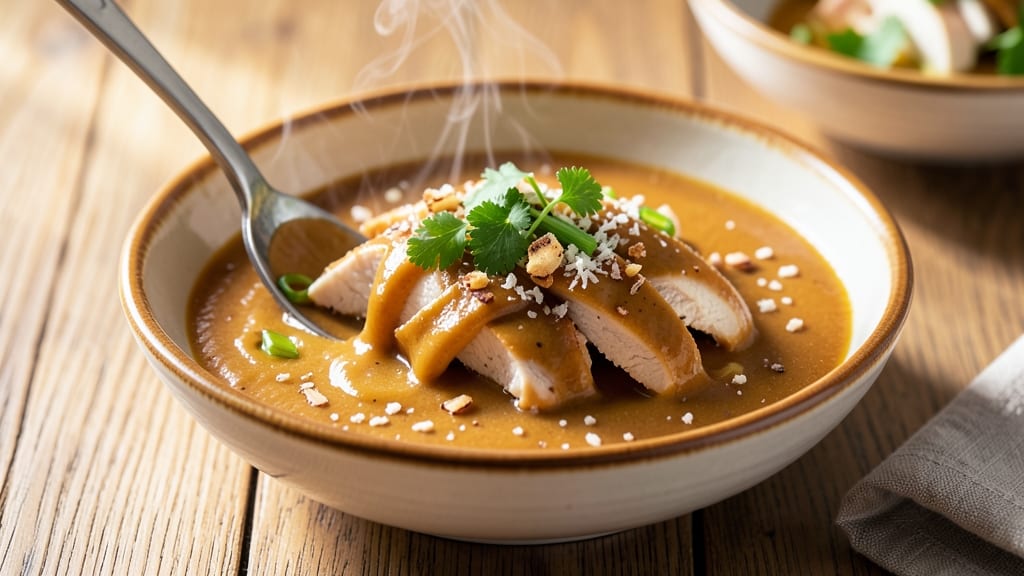
This creamy Alfredo sauce recipe brings the rich, garlicky depth of Panlasang Pinoy to your table with a Filipino twist that transforms ordinary pasta into something extraordinary.
The secret lies in balancing traditional Italian creaminess with local flavors—think toasted garlic, a touch of soy sauce for umami, and a hint of chili for warmth. Unlike standard recipes, this version develops layers of complexity that make every bite unforgettable.
What sets this sauce apart is its versatility—it works perfectly with pasta, grilled chicken, or even as a dipping sauce for spring rolls. The process is straightforward: simmering butter, garlic, and flour creates a velvety roux, then heavy cream and parmesan build the signature richness.
The Filipino-inspired additions (soy sauce, calamansi if available) elevate it from basic to bold, ensuring restaurant-quality flavor at home.
By the time you finish blending the ingredients, you’ll have a sauce that’s impossibly smooth yet packed with depth—creamy enough to coat every noodle while carrying the bright, savory notes of Filipino cuisine.
The aroma alone will have everyone at the table asking for seconds, and the taste proves that comfort food can be both familiar and excitingly new.
Store leftovers in the fridge for up to 5 days or freeze for longer shelf life, making this the perfect sauce to have on hand for weeknight dinners or special occasions.
Whether you’re serving it over fettuccine or drizzling it over grilled meats, this Panlasang Pinoy Alfredo sauce delivers flavor that’s both nostalgic and refreshingly innovative.
Ingredients for alfredo sauce recipe panlasang pinoy
Nine simple ingredients that blend Italian creaminess with bold Filipino flavors for unforgettable sauce.
| Ingredient | Amount | Notes |
|---|---|---|
| Unsalted Butter 🧈 | ½ cup | Cold, cut into small cubes |
| Garlic Cloves 🧄 | 8 whole | Minced, toasted until golden |
| All-Purpose Flour 🌾 | ½ cup | Sifted for smooth texture |
| Heavy Cream 🥛 | 2 cups | Full-fat for best creaminess |
| Parmesan Cheese 🧀 | 1 ½ cups | Freshly grated, high-quality |
| Soy Sauce 🍜 | 1 tbsp | Light or dark variety |
| Calamansi Juice 🍋 | 1 tbsp | Or lime juice if unavailable |
| Chili Flakes 🌶️ | ½ tsp | Adjust for preferred heat |
| Salt 🧂 | ½ tsp | Kosher or sea salt |
| Black Pepper 🌶️ | ¼ tsp | Freshly ground preferred |
The butter and garlic are your foundation—don't skimp. European-style butter adds more flavor than regular, and toasting the garlic until golden (not burnt) gives that nutty depth. For the flour, King Arthur or Gold Medal brands are my go-tos—they create a smoother roux. The Parmesan? Grab a wedge from the deli counter—pre-grated gets clumpy. If you're feeling fancy, Parmigiano-Reggiano makes it even richer. The soy sauce and calamansi bring that Filipino umami punch—Lee Kum Kee or Silver Swan for soy, and if you can't find calamansi, lime juice works in a pinch.
No calamansi? Lime or lemon juice adds brightness, just use a bit more. Heavy cream too expensive? Half-and-half with a splash of milk works, but the sauce won't be quite as rich. For a dairy-free version, full-fat coconut milk gives a similar creaminess. The chili flakes are optional but add that little kick—Trader Joe's has great ones if you want to splurge. Freshly grated Parmesan is non-negotiable here—pre-grated tastes like sawdust in comparison. If you're making this ahead, skip the soy sauce until the end to prevent curdling.
This sauce thickens as it cools, so start with slightly less cream if you prefer it pourable. Store in an airtight container in the fridge for 5 days—the flavor actually improves after the first night. For freezing, portion into ice cube trays for easy single-use servings. When reheating, add a splash of milk or cream to restore creaminess. Leftovers? Drizzle over grilled chicken or toss with noodles—it's that versatile.
Why You'll Love This Recipe
- Pantry Magic: I swear by this sauce because it uses what I already have—no special ingredients or last-minute grocery runs. That rich, velvety texture comes from just butter, flour, and cream, with garlic and Parmesan tying it all together. Honestly, it’s the kind of recipe that makes me feel like a chef without the fuss.
- Umami Bomb: The moment that minced garlic hits the butter? Pure flavor payoff. Then the Parmesan—grated fresh, not pre-shredded—melts into the cream for that deep, nutty punch. It’s not just creamy; it’s ridiculously satisfying, the kind of sauce that makes you close your eyes and sigh.
- Weeknight Hero: This is my go-to when I’m starving but don’t want to slave over dinner. Toss it with fettuccine, stir in some sautéed shrimp or chicken, and boom—dinner’s done. Even better? It’s the star of my lazy Sunday lunches or last-minute potlucks. (Yes, even on a Tuesday night.)
- Leftovers That Don’t Suck: Unlike most creamy sauces, this one actually improves the next day—thicker, richer, and just as delicious. I make a double batch on Sundays, freeze half, and reheat it straight from the fridge. No weird textures, no sad leftovers. Just pure, creamy comfort every time.
Step-by-step instructions for creamy garlic Parmesan Alfredo sauce with Filipino flavor
This rich, velvety sauce comes together in minutes with a Filipino twist that makes it irresistible.
Toast the Garlic in Butter for Maximum Flavor
Melt the 0.5 cup unsalted butter in a medium saucepan over medium heat. Once fully melted, add the 8 whole garlic cloves and cook, stirring constantly, for 2-3 minutes until they turn a beautiful golden brown color. This toasting step is crucial—it deepens the garlic's flavor and prevents bitterness.
Watch the garlic closely—it burns quickly. You'll know it's ready when the pan emits a nutty aroma and the garlic is fragrant. Remove the pan from heat immediately after toasting to preserve that perfect flavor. Here's where the Filipino twist begins—this aromatic base sets up the umami profile we're building.
Create a Smooth Roux with Flour
Return the pan to medium heat and sprinkle in the 0.5 cup all-purpose flour. Stir vigorously with a wooden spoon for 1-2 minutes until the mixture turns a uniform light golden brown color. This creates a roux that will thicken our sauce beautifully.
Keep stirring constantly—this prevents the flour from cooking unevenly and developing a raw taste. You're looking for a color similar to peanut butter, not darker brown. If you notice any lumps forming, press them against the sides of the pan with your spoon to break them up. This ensures our sauce will be silky smooth.
Build the Sauce with Cream and Umami Ingredients
Slowly pour in the 2 cups heavy cream while whisking continuously to prevent lumps from forming. Add the 1 tbsp soy sauce and 1 tbsp calamansi juice (or lime juice) along with the 0.5 tsp chili flakes, 0.5 tsp salt, and 0.25 tsp black pepper. The calamansi adds that bright Filipino acidity that balances the richness.
Bring the mixture to a gentle simmer over medium-low heat, stirring frequently. Let it cook for 5-7 minutes until it thickens enough to coat the back of a spoon. This is where our sauce transforms from liquid to velvety perfection. The soy sauce and calamansi work together to create that signature Filipino umami depth while keeping the sauce bright and flavorful.
Incorporate the Parmesan for Maximum Creaminess
Reduce heat to low and gradually sprinkle in the 1.5 cups freshly grated Parmesan cheese, whisking constantly to prevent clumping. Let the sauce simmer for another 3-5 minutes, stirring frequently, until it reaches your desired consistency—it should coat the back of a spoon but still be pourable.
Taste and adjust seasoning if needed. You might want to add a pinch more salt if you used a mild Parmesan, or a splash more calamansi juice if you prefer more brightness. The sauce should be rich, creamy, and have that perfect balance of savory, tangy, and slightly spicy notes. Here's the moment you've been waiting for—this is where all the flavors come together in perfect harmony.
Pro Tips For Making Alfredo Sauce Recipe Panlasang Pinoy
- Bloom the Flour Slowly: When adding flour to the butter, drizzle it in like you’re pouring rain—not dumping a snowstorm. Stir constantly over medium-low heat for 2-3 minutes or the sauce will taste raw and floury. I burned the first batch because I rushed this; now I treat it like a first date—gentle and patient.
- Use Cold Heavy Cream: Chill your heavy cream before adding it to the roux. Warm cream breaks the sauce faster, and you’ll end up with a thin, watery mess. Pour it in slowly while whisking like you’re mixing a cocktail—no splashing, or you’ll have lumps. Trust me, your sauce will thank you.
- Grate, Don’t Shred, Parmesan: Skip the pre-grated cheese—it’s full of anti-caking agents that make your sauce grainy. Use a fine grater or microplane and add the Parmesan last, right after the sauce comes off the heat. Stir it in while the sauce is still hot so it melts smoothly. Yes, it’s extra work, but the difference is noticeable.
- Taste Before the Cream: Season your roux (butter + flour + garlic) with salt before adding the cream. The sauce builds flavor in layers, and if you wait until the end, you’ll be guessing how much salt to add. I used to skip this, and my sauce always tasted flat—now it’s bold and balanced from the start.
Serving suggestions for this alfredo sauce recipe panlasang pinoy
Pasta Pairings
This creamy Alfredo sauce shines best with fettuccine or tagliatelle—their wide, flat surfaces catch every velvety strand. I always use bronze-cut pasta like De Cecco for that perfect al dente bite.
For a Filipino twist, try bihon (Filipino thin noodles) or miki (rice vermicelli) for a lighter texture that still soaks up the sauce beautifully. 🍝
Protein Pairings
Grilled chicken thighs or pork chops become irresistible with this sauce drizzled on top. The sauce's umami depth complements the smoky char of grilled meats perfectly. For a seafood option, try garlic shrimp or sautéed scallops—the sauce's creaminess balances their natural sweetness.
I love serving it with garlic butter shrimp for a restaurant-worthy dish.
Vegetable Sides
Add steamed broccoli or sautéed green beans to round out the meal—their bright flavors cut through the sauce's richness. For a Filipino touch, include garlic sautéed kangkong (water spinach) or kinchay (string beans). The acidity from calamansi in the sauce makes these veggies taste even fresher. 🥦
Rice Dishes
This sauce isn't just for pasta! Drizzle it over garlic fried rice or sinangag (Filipino garlic rice) for a creamy twist. The sauce's richness elevates simple rice dishes into something special.
I also love using it as a dipping sauce for spring rolls or lumpia—the combination of creamy and umami is addictive.
Breakfast Twist
Use this sauce as a creamy pancake or waffle topping—it's like a Filipino version of carbonara. The soy sauce and calamansi add a unique savory-tangy flavor that pairs surprisingly well with fluffy pancakes. Try it with garlic butter for an extra-rich breakfast experience. 🥞
Make-Ahead Serving
Prepare the sauce ahead and store it in the fridge for up to 5 days. Reheat gently with a splash of milk or cream to restore its silky texture. When ready to serve, toss it with hot pasta or drizzle over grilled meats right before eating.
The sauce's flavor actually improves after resting overnight—this is the secret to restaurant-quality results at home. ✨
Nutrition facts
Frequently asked questions
Can I make this sauce without heavy cream for a lighter version?
Yes! Replace the 2 cups heavy cream with 1 cup coconut milk and 1 cup whole milk for a lighter but still creamy texture. The sauce will be slightly less rich, but the Filipino flavors will shine through. For extra thickness, add 1 tablespoon cornstarch mixed with water to the simmering sauce.
What's the best way to store leftover sauce?
Store in an airtight container in the fridge for up to 5 days. The flavor actually improves overnight! For freezing, portion into ice cube trays or small containers. Thaw in the fridge and reheat gently with a splash of milk or cream to restore creaminess. Never reheat directly from frozen—this can make the sauce grainy.
How do I adjust the heat level in this sauce?
The 0.5 tsp chili flakes provide mild heat. For more spice, add 1/4 tsp cayenne pepper or 1 sliced Thai chili during simmering. For a smoky depth, stir in 1/2 tsp smoked paprika at the end. Remember, the soy sauce already adds subtle umami heat—balance carefully to avoid overpowering the creamy base.
Can I use this sauce for dishes other than pasta?
This versatile sauce works beautifully as a dipping sauce for spring rolls, lumpia, or egg rolls. It also elevates grilled meats like chicken thighs or pork chops, and can be used as a creamy topping for garlic fried rice or sinangag. The secret is to reheat gently and adjust consistency with a splash of milk if needed.
Why did my sauce turn grainy when reheating?
This usually happens when the sauce separates or cools too quickly. To fix it, whisk in 1 tablespoon cold butter or 1 tablespoon heavy cream while reheating over low heat. For prevention, always store sauce in a single layer (not stacked) and reheat slowly. The soy sauce and calamansi can also contribute to separation—add them only at the end if you're making sauce ahead.