
Sauces & Condiments
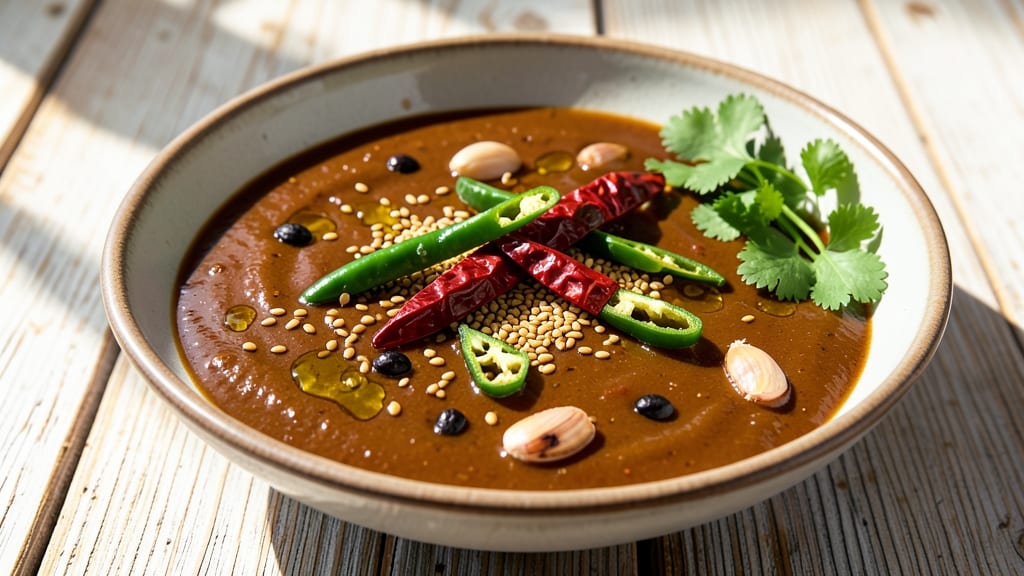
This achari sauce recipe transforms simple dishes into bold, flavor-packed meals with its tangy, spicy, and umami-rich profile. 🌶️ The secret lies in fermented vegetables, aromatic spices, and slow-cooked oil that develop deep, complex flavors over time.
Unlike store-bought versions, this homemade blend delivers restaurant-quality depth with every spoonful, elevating everything from curries to grilled meats.
The sauce begins with a base of fermented vegetables—typically mustard oil, garlic, and green chilies—which create that signature tangy punch. Toasted whole spices like cumin, coriander, and fennel add warmth, while dried red chilies and asafoetida deepen the umami.
The key is simmering everything in oil until the spices bloom, releasing their full potential.
What sets this sauce apart is its versatility—drizzle it over steaming rice, stir into curries, or spread it on sandwiches for an instant flavor boost. The texture is thick and paste-like, perfect for clinging to ingredients while adding layers of heat and acidity.
Once you taste the difference, store-bought versions won’t compare.
With just 10 minutes of active prep and 30 minutes of simmering, this sauce is easier to make than you’d expect. Store it in the fridge for up to a month, or freeze for longer shelf life. Let’s get cooking—your taste buds will thank you.
Ingredients for achari sauce
Ten ingredients, infinite flavor—this sauce is your secret weapon for restaurant-quality dishes.
| Ingredient | Amount | Notes |
|---|---|---|
| Mustard Oil 🫒 | 1 ½ cups | Use high-quality, unrefined mustard oil |
| Garlic Cloves 🧄 | 10 whole | Peeled and lightly crushed |
| Green Chilies 🌶️ | 6 whole | Fresh, bird's eye or serrano preferred |
| Dried Red Chilies 🌶️ | 4 pieces | Kashmiri or red jalapeño for color |
| Cumin Seeds 🌿 | 2 tbsp | Toasted until fragrant |
| Coriander Seeds 🌿 | 1 ½ tbsp | Toasted for depth of flavor |
| Fennel Seeds 🌿 | 1 tbsp | Whole seeds, lightly toasted |
| Asafoetida Powder 🌶️ | ½ tsp | Essential for authentic umami |
| Turmeric Powder 🌿 | 1 tsp | Freshly ground preferred |
| Salt 🧂 | 1 ½ tsp | Adjust to taste |
Mustard oil is non-negotiable here—high-quality, unrefined oil from Indian specialty stores or Whole Foods delivers the best flavor. Look for brands like Kashmir or Gokul if you're shopping online. Fresh garlic and green chilies should be vibrant—no wilted or bruised vegetables, or the sauce will taste bitter. Toast your whole spices over medium heat in a dry pan until fragrant—this step unlocks their full potential. For dried red chilies, Kashmiri gives a beautiful red hue and milder heat, while jalapeños add more spice. Store your spices in airtight containers away from light for maximum freshness.
No mustard oil? Sesame oil or neutral vegetable oil works in a pinch, but the flavor won't be authentic. Substitute dried green chilies at half the amount if fresh aren't available. For asafoetida, garlic powder at 1/4 tsp can mimic some of the umami, but it's not the same. Want to reduce heat? Remove the seeds from green chilies before adding. The sauce thickens as it cools—add a splash of water if it's too stiff. For extra depth, simmer the sauce longer—up to 45 minutes—to let the flavors meld even more. If you can't find Kashmiri chilies, ancho or guajillo chilies work well for color and mild heat.
This sauce keeps beautifully—1 month in the fridge or 6 months frozen. Store it in a clean, airtight jar with a layer of oil on top to preserve freshness. The longer it sits, the better it gets—flavors deepen over time. Portion into small jars for easy use. To reheat, warm gently on the stove with a splash of water to loosen the texture. Achari sauce is incredibly versatile—drizzle over biryani, mix into curries, or spread on sandwiches for instant flavor. Make a big batch—you'll want to use it everywhere.
Why You'll Love This Recipe
- No-Fuss Pantry Magic: I swear by this sauce—just toast the cumin seeds in mustard oil until they pop, then toss in the whole garlic cloves and chilies. No chopping, no stress, and honestly? That smoky aroma alone makes the whole kitchen smell like a street-side stall.
- Flavor Bomb in Minutes: The mustard oil carries the heat, but it’s the garlic—charred just enough—that makes this sauce dangerously addictive. Between us, I’ve ruined perfectly good meals by slathering this on toast with butter. (Yes, even on a Tuesday night.)
- One Sauce, Endless Uses: This isn’t just for dosas or curries—drizzle it over roasted veggies, mix it into rice, or even slather it on grilled chicken. I keep a jar in the fridge for lazy days when I’m too tired to plan. It’s my secret weapon for turning simple meals into something special.
- Budget Stretch Extraordinaire: Mustard oil and dried chilies last forever, and a little goes a long way. I make a big batch once a month, freeze half, and still have leftovers for months. Not the prettiest, but the taste makes up for it—and my wallet thanks me.
Step-by-step instructions for achari sauce
Let's transform these bold spices into a vibrant, aromatic sauce that'll elevate any dish.
🔥 Step 1: Toast the Whole Spices
Heat a heavy-bottomed skillet over medium-low heat and add the 2 tablespoons cumin seeds, 1.5 tablespoons coriander seeds, and 1 tablespoon fennel seeds. Toast them for 3-4 minutes until they release their fragrant aroma and turn a light golden color. You'll smell that warm, earthy nutty scent—this is where the sauce's depth begins.
Real talk: Don't walk away. Whole spices burn quickly, and burnt spices will make your sauce bitter. Stir constantly with a wooden spoon and watch closely for the first golden flecks—when you see them, your spices are ready. Immediately transfer the toasted seeds to a small bowl to cool slightly while you prepare the next components.
🍳 Step 2: Sauté Aromatics in Mustard Oil
In the same skillet (no need to clean it—those toasted spices left behind add flavor), add the 1.5 cups mustard oil over medium heat. Let the oil heat up until it shimmers but doesn't smoke—this should take about 2-3 minutes. You're looking for oil that's hot enough to cook but not so hot it burns your spices.
Add the 10 whole garlic cloves and 6 whole green chilies (leave them whole for a more rustic texture). Sauté for 2-3 minutes until the garlic turns a pale golden color and the green chilies soften slightly. Here's where the magic happens—the garlic should smell sweet and nutty, not burnt. If it starts to brown too quickly, reduce the heat slightly.
🍳 Step 3: Add Dried Chilies and Spice Powders
Increase the heat to medium-high and add the 4 pieces dried red chilies. Stir them around for 1 minute until they darken slightly and release their smoky aroma. This is your signal to add the spice powders—sprinkle in the 0.5 teaspoon asafoetida powder, 1 teaspoon turmeric powder, and 1.5 teaspoons salt all at once.
Stir vigorously for 30 seconds to bloom the spices and prevent burning. The asafoetida will create a distinct, savory aroma that's unmistakable—this is the umami backbone of your sauce. You'll see the oil turn slightly darker and more aromatic. This is the moment that matters: let the spices cook for another 1-2 minutes until they're fully integrated and the oil has a rich, spiced fragrance.
⏰ Step 4: Simmer to Perfection
Reduce the heat to low and let the sauce simmer gently for 8-10 minutes. You're looking for the oil to become infused with all those spices and develop a deep, reddish hue. Stir occasionally to prevent any sticking, but don't over-stir—you want those spices to bloom and release their flavors.
Here's the thing—this sauce should have a thick, almost paste-like consistency when done. If it starts to look too thin, reduce the heat further and let it cook longer. The oil should be fragrant and infused with the spices, not just floating on top. When you taste a small amount, it should be intensely spicy with a complex, layered flavor—this is your achari sauce ready to transform any dish.
Pro Tips For Making Achari Sauce
- Bloom the Cumin: Toast those cumin seeds in mustard oil until they just start to pop—about 30 seconds on medium heat. Overdoing it turns them bitter, and you’ll taste it in every bite of your achari. I learned this the hard way when my sauce ended up tasting like burnt toast instead of aromatic magic.
- Slash the Chilies: Roughly chop dried red chilies into ¼-inch pieces before adding them to the oil. Whole chilies take forever to soften and can leave you with uneven heat distribution. Green chilies? Slice them lengthwise into thin strips—they’ll cook faster and release more flavor into the oil.
- Low and Slow for Garlic: Once you add garlic, drop the heat to low and let it sweat for 2-3 minutes before crushing it. Rushing this step burns the garlic, turning it acrid and bitter. My grandmother swore by this, and she was right: patience here makes the sauce sing.
- Finish with Oil Heat: Pour the mustard oil into the pan when it’s just smoking—not yet burning, but close. The oil should coat the spices and garlic like a thin, shimmering layer. If it’s too hot, the garlic will sear instantly; if it’s too cool, the oil won’t infuse properly. Find that sweet spot, and your sauce will have depth.
Make-ahead tips for achari sauce
Prep Ahead Strategy
Make this sauce 3 days ahead for the best flavor development. The spices and fermented aromatics need time to meld—this is when the magic happens. I always prep mine on Sunday so it's ready for the week's meals.
Store in an airtight glass jar with a layer of mustard oil on top to preserve freshness and prevent oxidation. 🌶️
Freezer-Friendly Method
For long-term storage, portion into ice cube trays before freezing. Once solid, pop out the cubes and transfer to a freezer bag with all the air squeezed out. This method lets you use just what you need without thawing the whole batch.
Achari sauce keeps its quality for up to 6 months in the freezer—perfect for meal prep enthusiasts. Thaw overnight in the fridge before using.
Reheating Techniques
Never microwave this sauce—it destroys the delicate spice oils. Instead, gently warm it in a small saucepan over low heat with 1 tablespoon water to loosen the texture. Stir constantly for 2-3 minutes until heated through.
The sauce will thicken slightly as it cools, so add a splash of water if needed. For extra richness, drizzle with 1 teaspoon fresh mustard oil before serving. ✨
Batch Cooking Tips
Double or triple the recipe if you're planning to use it frequently—this sauce only gets better with age. I make 3 cups at a time and store it in three separate jars for easy access. Label each jar with the date to track freshness.
The first batch will be the most vibrant, but even after 2 weeks, it remains flavorful. For large batches, use a heavy-bottomed pot to prevent scorching during simmering.
Flavor Development Hacks
Want to accelerate flavor development? After simmering, let the sauce cool completely, then refrigerate it overnight. The next day, reheat it gently and simmer for an additional 5-10 minutes.
This extra step intensifies the spice notes and creates a deeper, more complex flavor profile. I call this my "24-hour secret"—it transforms good sauce into exceptional sauce. 💡
Serving Prep Shortcuts
Keep small portions ready in the fridge for quick use. I store 2-tablespoon servings in small ramekins with lids. This way, I can grab a portion straight from the fridge and drizzle it over curries or rice without any extra prep.
For grilled meats, mix a spoonful into marinades the night before—this infuses the meat with incredible flavor while you sleep. The sauce's thick consistency makes it perfect for this kind of prep. 🍛
Nutrition facts
Frequently asked questions
What's the difference between achari sauce and regular chutney?
Achari sauce is thicker, oilier, and more concentrated than chutney. While chutney is often fresh and watery (like mint or coconut), achari is fermented, spiced, and simmered in oil until it becomes a rich paste. The key difference is the mustard oil base and long simmering process that develops deep, complex flavors.
Can I make this sauce without mustard oil?
Yes, but the flavor won't be authentic. Use sesame oil or neutral vegetable oil in a 1:1 ratio, though mustard oil gives that signature pungent aroma. For a closer substitute, blend 1 teaspoon mustard powder with the oil before cooking. The sauce will still be delicious but lack the traditional depth.
How do I adjust the spice level?
For milder heat, reduce green chilies to 3-4 pieces and remove seeds from dried chilies. For extra spice, add 1 extra dried chili or ½ teaspoon cayenne powder. Always taste as you go—achari sauce should balance heat with its tangy, umami notes. The spices toast quickly, so monitor closely.
What dishes pair best with this sauce?
This versatile sauce elevates everything! Drizzle over steamed rice, stir into curries, or spread on sandwiches. It also works as a marinade for grilled meats or a dip for fries. The thick texture clings perfectly to ingredients, making it ideal for rice bowls, wraps, or even as a topping for roasted vegetables.
Why did my sauce separate or look oily?
This happens when the sauce cools too quickly or sits too long. Stir in 1 tablespoon water and warm gently on low heat until smooth. For future batches, let the sauce cool slowly at room temperature before refrigerating. The oil should be evenly distributed when fully cooled—this is normal and adds richness!