
Sauces & Condiments
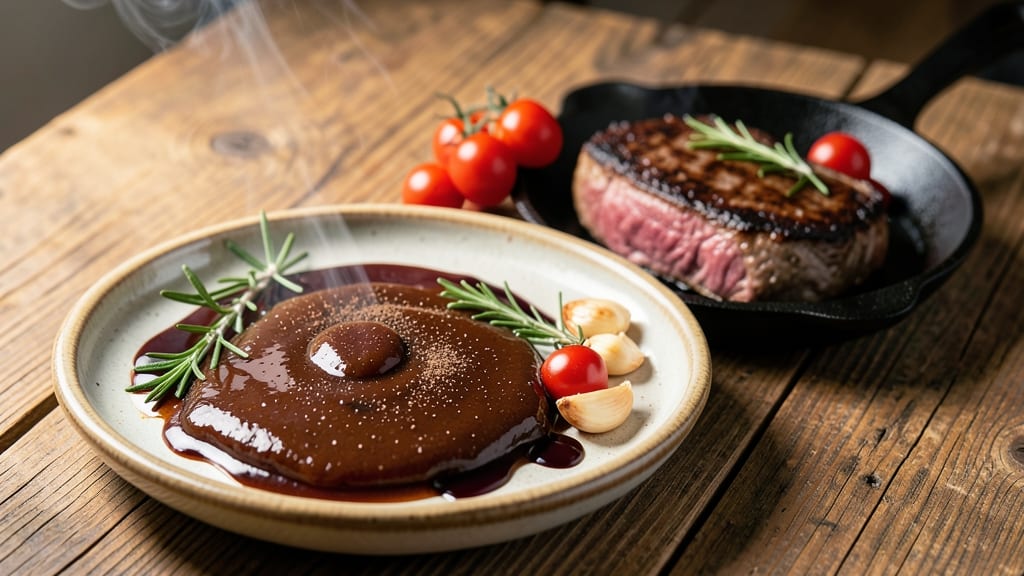
The Aaron Franklin espresso BBQ sauce recipe transforms grilled meats into bold, coffee-kissed masterpieces that linger on your palate like a slow-smoked secret. 🔥 I first discovered this technique while perfecting my brisket rubs, and the deep, aromatic complexity it adds to smoked meats is unmatched. What makes this sauce special is how it balances sweetness, acidity, and smoky depth—each element playing its part in harmony.
The foundation starts with a rich coffee base that provides both flavor and natural sweetness, while vinegar and spices create that signature tangy-sweet profile. Unlike traditional BBQ sauces, this one simmers down to a thick, glossy consistency that clings beautifully to ribs, brisket, or even pulled pork.
The key is patience—letting the sauce reduce slowly to concentrate those flavors without burning.
By the end, you'll have a sauce that's as versatile as it is impressive—perfect for basting during the final stages of smoking, as a finishing glaze, or even as a dipping sauce.
The espresso notes add an unexpected depth that elevates everyday grilled dishes into something extraordinary. This is the kind of sauce that turns a simple cookout into a memorable experience.
Ready to take your grilling to the next level? Let's get started on a batch that will have your guests asking for the recipe.
Ingredients for aaron franklin espresso bbq sauce
Nine ingredients, one sauce—where deep coffee meets smoky Texas BBQ magic.
| Ingredient | Amount | Notes |
|---|---|---|
| Espresso Powder ☕ | ½ cup | Finely ground, high-quality |
| Apple Cider Vinegar 🍏 | ½ cup | Raw and unfiltered preferred |
| Brown Sugar 🍚 | 1 ½ cups | Light or dark, packed |
| Tomato Paste 🍅 | ½ cup | San Marzano preferred |
| Smoked Paprika 🌶️ | 2 tbsp | High-quality, not sweet |
| Garlic Cloves 🧄 | 4 cloves | Fresh, minced fine |
| Onion Powder 🧅 | 1 tbsp | Freshly ground preferred |
| Ground Black Pepper 🌶️ | ½ tsp | Freshly cracked |
| Kosher Salt 🧂 | 1 ½ tsp | Diamond Crystal preferred |
| Water 💧 | 1 cup | Filtered preferred |
The espresso powder is non-negotiable here—Starbucks or local roaster for the best quality. Look for finely ground, not instant. The apple cider vinegar should be raw and unfiltered—Bragg or Texas-based brands work perfectly. Brown sugar adds natural sweetness, but if you prefer a deeper caramel note, muscovado sugar is a fantastic swap. The tomato paste? San Marzano is the gold standard—it's sweeter and less acidic, which balances the coffee's bitterness beautifully. For smoked paprika, Penzeys or La Boîte deliver that authentic smoky depth without any sweetness.
No espresso powder? Strong brewed coffee reduced to 1/2 cup works in a pinch, but you'll lose some of that concentrated depth. Vinegar substitute? Red wine vinegar at half the amount keeps the tang. The garlic and onion powders can be swapped for fresh—just sauté them first to build flavor. If you're short on time, pre-minced garlic from a jar (the kind in olive oil) works, but fresh is always better. The spices—smoked paprika, black pepper—are where the sauce gets its soul. Toast the spices lightly in a dry pan before adding to deepen their flavors. And if you're worried about the sauce being too sweet, reduce the brown sugar by a tablespoon and add a splash more vinegar.
This sauce keeps beautifully—1 month refrigerated or 6 months frozen. Store it in an airtight container with a thin layer of oil on top to preserve freshness. The flavors actually improve over time as everything melds together. For grilling, I like to portion it into small glass jars so I can grab one straight from the fridge and toss it on the smoker. If you make a big batch, freeze half right away—you'll thank yourself later. And if you're feeling fancy, add a pinch of cinnamon or allspice to the finished sauce for a hint of warmth that pairs perfectly with ribs.
Why You'll Love This Recipe
- I’ll be real: I always make extra. The tomato paste and vinegar keep it from drying out, so it tastes just as good reheated as it does fresh. Plus, it’s cheap to double—brown sugar and spices stretch far, and you’ll have a backup for next time. Smart move.
- No Pantry Panic: I swear by this recipe because it uses stuff I already have—no last-minute grocery runs. That espresso powder? Probably sitting next to your coffee maker. The apple cider vinegar? Likely in your fridge. Mix, simmer, done. No stress, just flavor.
- Deep, Smoky Umami Bomb: Honestly, the espresso and smoked paprika combo is chef’s kiss—rich, slightly bitter, but balanced by the caramelized brown sugar. It’s not your grandma’s sweet sauce; it’s got that bold, almost coffee-rubbed edge that makes pulled pork or grilled chicken taste like a Texas BBQ joint.
- Weeknight to Party Hero: Between us, this sauce works just as well on weeknight burgers as it does on a Sunday spread. Slather it on ribs for a crowd, drizzle it over fries for a lazy night in, or toss it with roasted veggies—no judgment. It’s the one sauce that does it all without trying too hard.
Step-by-step instructions for Aaron Franklin's espresso BBQ sauce
Here's how to craft this deep, coffee-forward sauce that'll elevate your grilled dishes.
🍳 Step 1: Bloom the Espresso and Aromatics
In a heavy-bottomed saucepan, combine the 0.5 cup espresso powder, 0.5 cup apple cider vinegar, and 1 cup water. Bring to a gentle simmer over medium heat and whisk continuously for 3-4 minutes until the mixture is fully dissolved and smooth. The espresso needs to fully incorporate—you'll see it transform from gritty powder to a rich, dark liquid.
Add the 4 cloves minced garlic, 1 tbsp onion powder, 2 tbsp smoked paprika, 1.5 tsp kosher salt, and 0.5 tsp ground black pepper. Stir for another 1 minute until fragrant. This step builds the sauce's complex flavor foundation—don't rush it. The garlic should smell pungent and the spices should be visibly dispersed throughout the liquid.
🍳 Step 2: Develop the Base with Tomato Paste
Reduce the heat to low and add the 0.5 cup tomato paste. Stir constantly for 2-3 minutes until the paste loses its raw, floury texture and blends completely into the mixture. The sauce will begin to thicken slightly as the starches in the tomato paste activate. This is where the sauce starts taking shape—you'll notice it darken and develop a glossy sheen.
Here's the thing—if you see any lumps forming, don't panic. Just keep stirring gently. The sauce should be smooth by the time you add the next ingredient. This step is crucial for preventing a grainy texture in your final sauce.
🍳 Step 3: Sweeten and Simmer to Perfection
Gradually whisk in the 1.5 cups brown sugar until fully dissolved. Increase heat to medium-low and let the sauce simmer uncovered for 20-25 minutes. Stir occasionally to prevent sticking—you'll see the sauce gradually reduce and thicken. The color should deepen to a rich amber, and you'll notice a pronounced coffee aroma that intensifies as it cooks.
Watch for the sauce to reach your desired consistency. It should coat the back of a spoon but still be pourable. If it thickens too quickly, add 1-2 tablespoons water to maintain balance. The sugar will caramelize slightly, adding depth to the sauce's complex flavor profile.
⏰ Step 4: Rest and Finish
Remove the sauce from heat and let it cool for 10 minutes. This resting period allows flavors to meld and the sauce to thicken further. I know it's tempting to taste it immediately, but patience here makes all the difference. The sauce will continue to develop as it cools, becoming more cohesive and flavorful.
Once cooled, taste and adjust seasoning if needed. You might want to add a touch more salt or vinegar to balance the sweetness and acidity. The final sauce should be bold, smoky, and deeply coffee-infused with just the right balance of sweetness and tang. Transfer to a clean jar and let it sit at room temperature for at least 1 hour before using—this allows all the flavors to fully integrate.
Pro Tips For Making Aaron Franklin Espresso Bbq Sauce
- Bloom the Espresso: Whisk the espresso powder into the warm vinegar first—don’t just dump it in. This step prevents clumping and lets the bitterness mellow out. I learned this the hard way after scraping gummy bits off my whisk for three batches.
- Simmer Slow: Keep the heat at a gentle simmer, not a rolling boil. This recipe relies on the sugar caramelizing, not burning. After burning two batches, I finally cracked open a window and let it bubble quietly for 45 minutes.
- Vinegar First: Add the apple cider vinegar before the sugar. It cuts the sweetness early, so you don’t end up with a gloppy, over-sweetened mess. My grandmother swore by this, and she was right—it balances the sauce perfectly.
- Toast the Paprika: Dry-toast the smoked paprika in a small pan for 30 seconds before mixing it in. This deepens the flavor without adding extra moisture. Sounds weird, but it works—your sauce will taste richer, not just smoky.
Flavor customization for this dish
Sweet Heat Balance
This sauce thrives on the interplay between sweetness and heat—adjust to your taste! For extra sweetness, add ½ cup more brown sugar during the simmer, or swap in muscovado sugar for deeper caramel notes.
If you prefer heat, stir in 1 tsp cayenne pepper or ½ tsp chipotle powder during the final 5 minutes of cooking. I like to add a pinch of cinnamon too—it enhances the coffee's depth without overpowering. 🌶️
Coffee Variations
No espresso powder? No problem! Use ½ cup strong brewed coffee (like Starbucks Pike Place or local roaster), reduced by half on the stove. For a bolder flavor, try cold brew concentrate—just use ¼ cup instead.
Dark roast coffee adds richness, while medium roast brings out brighter, more complex notes. If you love chocolate, add 1 tbsp cocoa powder with the spices for a mocha-inspired twist.
Smoky Depth Boost
Want even more smokiness? Swap the smoked paprika for ½ cup liquid smoke (like Texas Pete) mixed into the vinegar before simmering. Alternatively, add 1 tbsp chipotle powder in adobo sauce for a smoky-chili kick.
For a true Texas touch, sprinkle ½ tsp mesquite powder (found at specialty stores) into the finished sauce. This adds an earthy, charred dimension that pairs perfectly with ribs. 🔥
Acidity Adjustments
The apple cider vinegar is key for tang, but you can tweak it. For extra brightness, add 1 tbsp lemon juice at the end. If you prefer a deeper tang, replace the vinegar with ½ cup red wine vinegar.
For a fruity twist, stir in ¼ cup cranberry sauce (unsweetened) during the final 10 minutes of simmering. This works surprisingly well with pulled pork! Balance is everything—taste as you go.
Texture Tweaks
Need a thicker sauce for glazing? Simmer uncovered for 5-10 minutes longer to reduce further. For a thinner, dipping-style sauce, add 2-3 tbsp water at the end. If you love texture, stir in 1 tbsp tomato paste or 1 tsp xanthan gum before storing.
For a creamy finish, whisk in 2 tbsp Greek yogurt or sour cream just before serving—this pairs amazingly with brisket. 💫
Seasonal Swaps
Summer version? Swap brown sugar for honey or agave and add 1 tsp orange zest for brightness. Winter calls for warmth—add ½ tsp ground cloves or nutmeg to complement holiday meats. For a festive touch, reduce the sauce with ¼ cup cranberry juice instead of water.
Spring? Try 1 tsp fresh rosemary (removed before serving) for a herbal note. The sauce adapts beautifully to any season!
Nutrition facts
Frequently asked questions
Can I substitute espresso powder with regular coffee?
Yes, but with adjustments! Use ½ cup strong brewed coffee (like dark roast) reduced by half on the stove to concentrate the flavor. For even deeper coffee notes, try ¼ cup cold brew concentrate instead. The powder gives more intense flavor, but brewed coffee works in a pinch. Just remember—reduce it longer to match the powder's concentrated strength.
How long does this sauce keep, and can I freeze it?
This sauce stays fresh for 1 month refrigerated in an airtight container. For longer storage, freeze it for up to 6 months. Thaw overnight in the fridge—never at room temperature—to preserve texture. Pro tip: Store in small jars so you can grab one straight from the fridge for grilling. The flavors actually improve with time!
What's the best way to use this sauce on smoked meats?
For ribs or brisket, apply during the last 1-2 hours of smoking when internal temps reach 195°F. Brush on lightly to glaze, then repeat every 30 minutes. For pulled pork, mix ¼ cup sauce per pound of meat during the final rest. The sauce also works as a dipping sauce—serve warm with fries or cornbread. The key is patience: let it caramelize on the heat source.
Why does my sauce turn grainy or separate?
Graininess usually means the espresso powder didn't dissolve fully. Whisk constantly during the initial simmer to prevent clumping. If it separates later, stir in 1 tbsp tomato paste or 1 tsp cornstarch mixed with water to smooth it out. For extra insurance, strain through a fine-mesh sieve before storing. The sauce should be glossy and smooth—like liquid velvet.
Can I make this sauce without vinegar?
Technically yes, but it'll lack that signature tangy balance. Replace the apple cider vinegar with ½ cup lemon juice for brightness or ¼ cup red wine for depth. For a tang-free version, add 1 tsp citric acid (found in baking aisles) to mimic vinegar's zing. Just know the flavor profile will shift—vinegar is key to Aaron Franklin's signature sauce.