
Sauces & Condiments
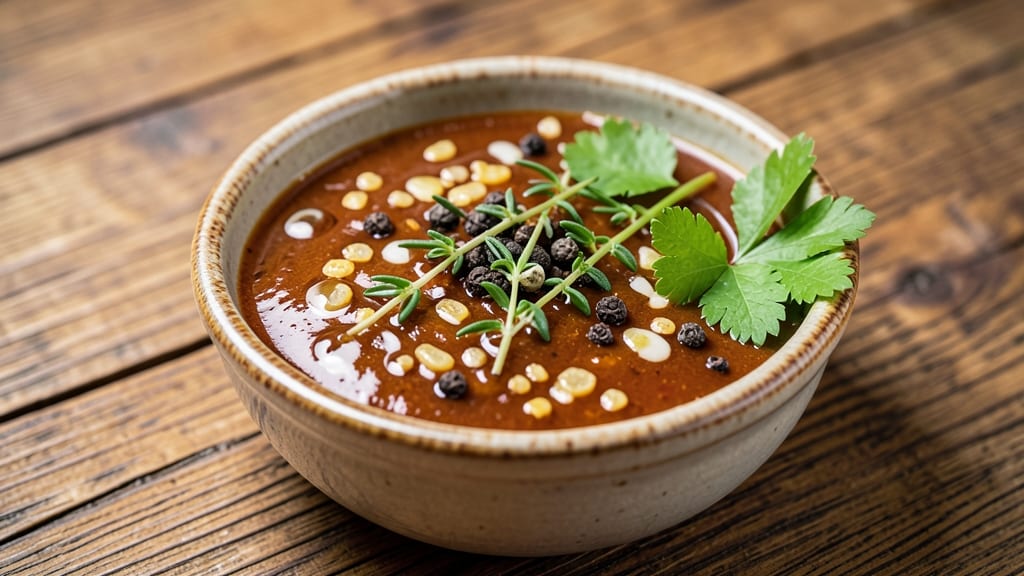
This poivrade sauce recipe transforms simple pan drippings into a restaurant-worthy masterpiece with just 10 minutes of active work. 🔥 The secret lies in balancing bold peppercorns, tangy vinegar, and aromatic herbs to create a sauce that's equal parts savory and complex.
I developed this after realizing how often I wasted flavorful pan juices—now I use them to elevate everything from steak to roasted vegetables.
The foundation starts with shallots and peppercorns, slowly built into a rich reduction that captures all the umami depth from cooking meat. A splash of vinegar brightens the sauce, while fresh herbs add freshness that cuts through the richness.
What makes this sauce special is its versatility—it works as a finishing sauce, gravy, or even a marinade base.
By the time you're done, you'll have a velvety sauce with deep peppercorn notes and just enough tang to keep it vibrant. The texture is perfect for drizzling over grilled meats or roasted vegetables, adding layers of flavor without overpowering the main dish.
This is the kind of sauce that makes you want to cook just to enjoy it.
Store it in the fridge for up to a week, or freeze for longer shelf life—it only gets better as the flavors meld. Let's make this sauce that turns simple weeknight meals into something extraordinary.
Ingredients for poivrade sauce
Transform pan drippings into bold poivrade sauce with these 9 ingredients—simple but packed with umami punch.
| Ingredient | Amount | Notes |
|---|---|---|
| Pan Drippings 🥩 | 1 cup | From cooked meat, fat rendered |
| Shallots 🧅 | ½ cup | Finely minced, vibrant color |
| Black Peppercorns 🌶️ | 2 tbsp | Whole, freshly cracked |
| White Wine Vinegar 🍷 | ½ cup | Balsamic adds depth if preferred |
| Fresh Thyme Leaves 🌿 | ¼ cup | Or 1 tsp dried thyme |
| Fresh Parsley Leaves 🌿 | ¼ cup | Chopped, for brightness |
| Unsalted Butter 🧈 | 2 tbsp | Cold, cubed for richness |
| Heavy Cream 🥛 | ½ cup | Full-fat for velvety texture |
| Salt 🧂 | ½ tsp | Kosher or sea salt |
The peppercorns are non-negotiable here. Penzeys or McCormick whole peppercorns work best—crack them fresh in a mortar or with a rolling pin. Shallots should be vibrant purple, not wilted. I grab mine from the fresh produce section and use them within a week. For the butter, Plugrá or Land O'Lakes unsalted are my go-tos—they melt beautifully without adding extra salt. Fresh herbs? Trader Joe's has the best thyme and parsley bundles for this.
No white wine vinegar? Apple cider vinegar works too. Short on shallots? 1/4 cup finely chopped yellow onion gets you close. Want extra depth? Add 1 tsp Dijon mustard when combining. The cream can be swapped for half-and-half if you prefer a lighter texture. For a dairy-free version, use coconut cream—just know it'll have a different mouthfeel. And if you're cooking beef, reserve some of the pan drippings before adding oil to your skillet.
This sauce peaks after 2-3 days in the fridge—let it sit at room temp for 10 minutes before serving. Keeps for up to 1 week covered, or 3 months frozen in ice cube trays. I always make extra because it's perfect for drizzling over steak, roasted veggies, or even mashed potatoes. The texture thickens as it cools, so thin with a splash of warm water if needed.
Why You'll Love This Recipe
- No Chopping Needed: I swear by this sauce because it starts with the pan drippings already waiting for me—no extra shopping, no extra mess. Just a quick minced shallot, a splash of vinegar, and the peppercorns crackling in the pan. That’s it. Honestly, it’s the kind of recipe where the hardest part is deciding what to serve it with.
- Umami Bomb: The black peppercorns and thyme leaves turn this into something ridiculously flavorful—deep, earthy, and just a little tangy from the vinegar. It’s not sweet, not heavy, just pure savory satisfaction that makes even the simplest protein taste like a restaurant dish.
- Weeknight Magic: I make this when I’m too tired to think but still want something impressive. Drizzle it over roasted chicken, toss it with pasta, or even slather it on grilled fish—it’s the kind of sauce that works at 6 p.m. or 6 a.m. (Yes, even on a Tuesday night.)
- Leftovers That Last: This sauce actually improves the next day—more concentrated, richer, and still bright. I keep a jar in the fridge for emergencies, and it’s the only thing that can rescue a sad-looking steak or a forgotten casserole. Budget-friendly? Absolutely.
Step-by-step instructions for poivrade sauce
Here's how to transform simple pan drippings into a bold, peppery sauce with restaurant-quality depth.
🍳 Step 1: Bloom the Peppercorns and Shallots
Heat the 1 cup pan drippings in a saucepan over medium-low heat. Add the 2 tablespoons whole black peppercorns and let them sizzle gently for 1 minute—this releases their essential oils and creates that signature peppery aroma. You'll see tiny bubbles form and smell the warm, piney fragrance.
Add the ½ cup finely minced shallots and cook for 5-6 minutes until they soften and turn translucent. Stir occasionally to prevent burning—you want them tender but not browned. This step builds the aromatic base that carries through the entire sauce. If the shallots start to color too quickly, reduce the heat slightly.
🍳 Step 2: Deglaze with Vinegar for Brightness
Pour in the ½ cup white wine vinegar all at once and increase heat to medium-high. The vinegar will bubble vigorously as it reacts with the fat and peppercorns—this is when the sauce starts developing its signature tangy depth. Let it simmer for 3-4 minutes until reduced by about half, scraping up any browned bits from the bottom of the pan with a wooden spoon.
Here's where the magic happens: the vinegar cuts through the richness of the drippings while enhancing the peppercorn flavor. You'll notice the liquid darken slightly and smell a complex aroma of pepper, shallot, and vinegar working together. Don't walk away—this reduction needs constant attention to prevent scorching.
🥘 Step 3: Add Cream and Thicken the Sauce
Reduce heat to medium-low and stir in the ½ cup heavy cream and 2 tablespoons cold cubed butter. The butter adds richness while helping to emulsify the sauce. Let it simmer gently for 4-5 minutes until slightly thickened—it should coat the back of a spoon but still be pourable. You're looking for a velvety consistency, not a heavy glaze.
If the sauce thickens too quickly, add 1 tablespoon water at a time until you reach the perfect texture. The cream will give the sauce body while keeping it smooth. This is also when you can adjust seasoning—add the ½ teaspoon salt now if needed, though the peppercorns and vinegar should provide plenty of flavor.
👨🍳 Step 4: Finish with Fresh Herbs
Remove the sauce from heat and stir in the ¼ cup fresh thyme leaves and ¼ cup chopped parsley leaves. These herbs add brightness and freshness that balances the peppery depth. Let the sauce sit for 2-3 minutes to steep—this allows the flavors to meld together perfectly. The thyme will infuse its earthy notes while the parsley adds a clean finish.
Give it one final taste and adjust seasoning if needed. The sauce should be rich, peppery, and slightly tangy with a velvety texture. For best results, use it immediately over steak, roasted vegetables, or grilled meats. If storing, keep it refrigerated for up to 3 days, but I promise you'll want to use it all at once!
Pro Tips For Making Poivrade Sauce
- Sweat Shallots Slow: Poivrade sauce starts with shallots—don’t rush them. Cook over medium-low heat until they’re golden and translucent, not browned (about 8-10 minutes). I learned this the hard way: burnt shallots taste bitter and ruin the whole dish.
- Crush Peppercorns First: Skip the whole peppercorns—they won’t infuse properly. Lightly crush them with the flat of a knife before adding to the pan. This releases their oils and flavor, making the sauce taste like it’s been simmering for hours.
- Deglaze with Vinegar Last: Wait until the shallots are fully cooked before adding white wine vinegar. Pouring it too early will cook off the acid too fast, leaving your sauce flat. Add it at the end for a bright, balanced finish.
- Strain for Smoothness: If you want a silky sauce, strain out the thyme leaves and crushed peppercorns after simmering. I used to leave them in—now I realize they just make the texture gritty, especially if serving over delicate proteins.
Troubleshooting great poivrade sauce
Sauce Too Thin?
If your poivrade sauce ends up too thin after simmering, don't panic—this happens when the pan drippings aren't fatty enough or the vinegar reduction wasn't concentrated properly. My go-to fix? Stir in 1 tablespoon cold unsalted butter at a time while warming gently over low heat.
The butter's fat content helps thicken while adding richness. For an extra boost, mix 1 teaspoon cornstarch with 1 tablespoon cold water, then whisk into the sauce and simmer for 1-2 minutes until it reaches your desired consistency. 🔥
Peppercorn Flavor Weak?
Weak peppercorn flavor usually means the peppercorns didn't bloom properly or were underused. First, check if you used freshly cracked peppercorns—pre-ground pepper loses its aromatic oils quickly. For next time, toast 1 extra tablespoon of whole peppercorns in a dry pan for 1 minute before adding to the sauce.
Pro tip: Add a ½ teaspoon of cracked black pepper at the very end for an extra punch of heat and aroma.
Sauce Too Tangy?
If the vinegar overpowers the sauce, balance it with a touch of sweetness. Stir in 1 teaspoon honey or 1 teaspoon maple syrup and simmer for 30 seconds to let the flavors meld.
Alternatively, add a small pinch of sugar (about ¼ teaspoon) to the pan drippings before adding the vinegar. This subtle adjustment softens the acidity while preserving the sauce's depth. Trust me, it makes all the difference when pairing with rich meats.
Herbs Settling at Bottom?
Fresh herbs often sink and clump at the bottom, creating an uneven texture. To prevent this, finely chop the thyme and parsley into tiny pieces (almost like confetti) before adding them.
Another trick I learned from my Italian nonna: Whisk the herbs with 1 tablespoon cold water first, then stir this mixture into the warm sauce. The water helps distribute the herbs evenly while keeping them vibrant.
Give it a quick stir before serving to ensure every bite gets that fresh herbaceous note.
Sauce Separating?
Separation happens when the fat and liquid components don't emulsify properly, often due to rapid temperature changes. To fix it, place the saucepan over very low heat and gently whisk in 1 tablespoon cold butter, one small piece at a time.
The butter acts as an emulsifier, binding the fat and liquid together. If the sauce still separates, whisk in 1 tablespoon warm water to help reintegrate the components. For prevention, always add the cream and butter gradually while keeping the heat low and steady.
Burnt Shallots?
Burnt shallots create a bitter, unpleasant flavor that ruins the sauce's delicate balance. To avoid this, keep the heat consistently low (around medium-low) and stir frequently.
If you notice the shallots starting to brown too quickly, immediately reduce the heat to low and add 1 tablespoon water to the pan. This dilutes the heat and gives you time to adjust.
For next time, try cooking the shallots in 1 tablespoon olive oil first to help control the heat better before adding the pan drippings.
Nutrition facts
Frequently asked questions
What makes poivrade sauce different from other pepper sauces?
Poivrade sauce stands out with its balanced peppercorn depth and tangy-sweet vinegar base, unlike hot sauces that rely on capsaicin. The key difference is the slow-bloomed peppercorns and herbaceous finish that create a complex, savory-tangy profile perfect for rich meats. Think of it as a sophisticated cousin to peppercorn sauce with restaurant-quality depth.
Can I make poivrade sauce without pan drippings?
Yes! Use 2 tablespoons olive oil or 2 tablespoons butter as a substitute, but the flavor will be less rich. For best results, cook 1/4 cup diced onion in the fat first to build aromatic depth before adding vinegar. The sauce will still taste amazing—just slightly lighter.
How can I use leftover poivrade sauce?
This versatile sauce works as a dipping sauce for crusty bread, a marinade base for chicken or pork, or even a pasta sauce when thinned with broth. Try drizzling it over roasted Brussels sprouts or grilled lamb chops for an instant flavor upgrade. It keeps well in the fridge for 5-7 days or freezes beautifully for 3 months.
What if I don't have fresh thyme or parsley?
No problem! Use 1/2 teaspoon dried thyme (reduce to 1/4 teaspoon if it's potent) and 1 tablespoon chopped chives for parsley's brightness. For extra freshness, add 1/2 teaspoon lemon zest at the end. The herbs are more for brightness than essential flavor, so don't stress about substitutions.
Can I make poivrade sauce ahead of time?
This sauce actually improves overnight as the flavors meld. Make it 1 day ahead and store in an airtight container in the fridge. Reheat gently over low heat, stirring in 1 tablespoon water if it thickens too much. The peppercorn aroma becomes even more pronounced after resting. Perfect for meal prep!