
Sauces & Condiments
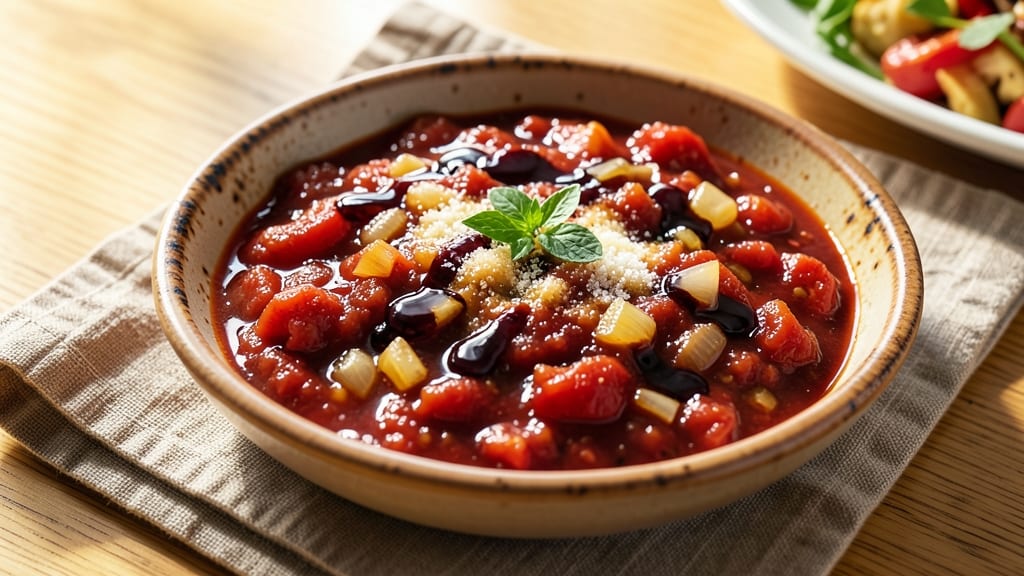
This basic lasagna sauce recipe delivers the deep, layered tomato flavor that transforms ordinary lasagna into something extraordinary. 💛 The secret lies in slow simmering crushed tomatoes with aromatic herbs and a touch of sweetness, creating a sauce that clings perfectly to noodles and melts into cheese.
I developed this version after years of testing—it's the one that finally earned me compliments from even the most skeptical lasagna purists.
The foundation is simple: crushed tomatoes, garlic, onions, and a blend of Italian herbs that build complexity as they simmer.
What sets this apart is the balance—just enough sugar to enhance the tomatoes' natural sweetness without overpowering, and a splash of red wine for depth that you won't find in jarred sauces. The sauce thickens beautifully on its own, creating that perfect consistency for layering.
What you'll end up with is a rich, velvety sauce that's versatile enough for lasagna but equally at home with meatballs or as a pasta topping. The aroma alone will have everyone anticipating dinner, while the flavor develops even more as it cools—ideal for making ahead.
This isn't just lasagna sauce; it's the kind of sauce that turns weeknight meals into something memorable.
The best part? It takes just 45 minutes to make and keeps well in the fridge for up to 5 days or freezes perfectly for months. Whether you're building a classic lasagna or using it as a base for other Italian dishes, this sauce delivers restaurant-quality results with minimal effort.
Let's get started on creating your perfect lasagna foundation.
Ingredients for basic lasagna sauce
These 10 simple ingredients create the kind of lasagna sauce that turns ordinary meals into something extraordinary.
| Ingredient | Amount | Notes |
|---|---|---|
| Crushed Tomatoes (40 oz can) 🍅 | 1 can | San Marzano preferred for sweetness |
| Yellow Onion 🧅 | 1 whole | Finely chopped, about 1 cup |
| Garlic Cloves 🧄 | 4 cloves | Minced for aromatic depth |
| Extra-Virgin Olive Oil 🫒 | ½ cup | For sautéing, fruity variety |
| Dry Red Wine 🍷 | ½ cup | Bold variety like Cabernet Sauvignon |
| Granulated Sugar 🍚 | 1 tbsp | Balances acidity perfectly |
| Dried Basil 🌿 | 1 tbsp | Or 0.25 cup fresh basil leaves |
| Dried Oregano 🍃 | 1 tsp | Italian or Mediterranean blend |
| Salt 🧂 | 1 ½ tsp | Diamond Crystal preferred |
| Black Pepper 🌶️ | ½ tsp | Freshly ground for best flavor |
The tomatoes are the heart of this sauce, and San Marzano is worth hunting down—their natural sweetness and low acidity make all the difference. Trader Joe's and Whole Foods usually carry them, but any high-quality crushed tomatoes will work. For the onions, don't skip the chopping—you want them fine enough to dissolve into the sauce. The garlic? Fresh is non-negotiable here—jarred garlic has none of that aromatic punch. And that olive oil? Use the good stuff—California extra-virgin is my go-to, but anything fruity and peppery will do.
No red wine? Substitute beef broth with a splash of balsamic vinegar—it adds that same depth. Fresh basil calling your name? Use it!**> Swap the dried for fresh at a 1:3 ratio (1 tbsp dried = 0.25 cup fresh). The sugar might seem like cheating, but trust me—it rounds out the acidity and makes the sauce sing. No Italian oregano? Regular oregano works, but Mexican oregano adds a different complexity. And if you're watching salt, taste as you go—the sauce thickens as it cools, so you can always add more later.
This sauce gets better as it sits, so make extra and freeze portions. Store it in the fridge for up to 5 days or freeze for 3 months—it reheats beautifully. I always double the batch because it disappears faster than you'd think. For freezing, use airtight containers with a layer of olive oil on top to preserve that rich color. And if you're prepping for lasagna night, let it come to room temperature before assembling—it'll layer like a dream.
Why You'll Love This Recipe
- Pantry Magic: I swear by this recipe because it uses what’s already there—no special trips, no last-minute shopping. That 40 oz can of crushed tomatoes? It’s the MVP, and when you toss in a splash of red wine, it transforms into something richer than you’d expect. Honestly, my lasagna sauce is ready while I’m still debating whether to start the pasta water.
- Deep Umami Bang: The garlic and onion caramelize into something almost sweet, then the wine cuts through with that earthy, savory punch. It’s not just tomatoey—it’s got layers, like a good conversation. Between us, I’ve had fancier sauces that didn’t hit this hard.
- Weeknight Workhorse: This sauce is my go-to for lasagna, but I’ve also used it for stuffed shells, meatball subs, and even a quick skillet dinner. Freezes like a dream, too—just reheat and layer it back into a casserole. (Yes, even on a Tuesday night when takeout feels like a luxury.)
- Budget Hero: A single can of tomatoes and a bottle of wine stretch across multiple meals without breaking the bank. I’ve made enough sauce to feed six people for under $10, and the leftovers? They’re the reason I don’t stress about grocery bills. Plus, the wine makes it feel fancy without the price tag.
Step-by-step instructions for layered tomato sauce
Here's how to build a rich, flavorful base for your lasagna.
🍳 Step 1: Sauté Onions Until Translucent
Heat the 0.5 cup Extra-Virgin Olive Oil in a large, heavy-bottomed pot over medium heat. Add the 1 whole Yellow Onion (finely chopped) and cook for 8-10 minutes, stirring occasionally, until the onions are soft and translucent with just a hint of golden color.
This slow cooking process draws out the natural sweetness of the onions without letting them brown. If the onions start to stick, reduce the heat slightly—you want them to caramelize gently, not burn. Here's the thing—skipping this step means your sauce will taste flat and one-dimensional.
🍳 Step 2: Add Garlic and Cook Until Fragrant
Push the onions to one side of the pot and add the 4 cloves Garlic Cloves (minced) to the empty space. Cook for 30-60 seconds until the garlic becomes golden and fragrant—not brown or bitter. Stir constantly during this time to prevent burning.
Watch for that moment when the kitchen smells like fresh garlic—this is your cue to move quickly. If it burns, you'll taste it later. Here's a pro tip: I like to add the garlic just before the onions are fully translucent so it gets maximum flavor infusion.
🍳 Step 3: Deglaze with Red Wine
Pour in the 0.5 cup Dry Red Wine and scrape up all the browned bits from the bottom of the pot with a wooden spoon. This deglazing step captures all those concentrated flavors that would otherwise stick to the pan. Let the wine simmer for 3-4 minutes until it reduces by about half.
You'll notice the sauce thicken slightly and develop a deeper color. This is where the wine's acidity starts to brighten the flavors. Don't rush this step—let the alcohol cook off completely so you're left with just the wine's essence.
🥘 Step 4: Build the Tomato Base
Add the 1 can Crushed Tomatoes (40 oz), 1 tbsp Granulated Sugar, 1 tbsp Dried Basil, 1 tsp Dried Oregano, 1.5 tsp Salt, and 0.5 tsp Black Pepper. Stir well to combine all ingredients thoroughly. Bring the mixture to a gentle simmer over medium-low heat.
The sugar helps balance the acidity of the tomatoes, while the herbs and salt create that classic Italian depth. Here's what I do next: I let the sauce simmer uncovered for 20-25 minutes, stirring occasionally, until it thickens to your desired consistency.
⏰ Step 5: Simmer to Perfection
Continue simmering for an additional 15-20 minutes, stirring occasionally, until the sauce is thick, rich, and slightly reduced. You're looking for a consistency where it coats the back of a spoon but isn't gluey. Taste and adjust seasoning if needed—you might need a bit more salt or sugar depending on your tomatoes.
Real talk: This is where patience pays off. The longer you simmer, the deeper the flavors develop. I like to let mine go for 45-50 minutes total for maximum depth. Once done, remove from heat and let it cool slightly before using in your lasagna.
Pro Tips For Making Basic Lasagna Sauce
- SWEEAT THE ONIONS FIRST: I learned this the hard way—if you rush the onions, the sauce will taste raw and sharp. Cook them over medium-low heat until they’re translucent and just starting to caramelize (about 8-10 minutes), then add the garlic. This softens their bite and deepens the flavor without burning.
- DEGLAZE WITH WINE FAST: Pour the red wine in all at once and let it bubble hard for 2-3 minutes—don’t stir constantly. The alcohol burns off faster this way, and the sauce gets that rich, jammy texture instead of tasting sharp or thin. (Yes, even if you’re impatient like me.)
- BREAK UP THE TOMATO SKINS: After simmering the sauce for 20 minutes, use a wooden spoon to press the crushed tomatoes against the pot’s sides. This releases more juice and breaks up the skins, so the sauce stays smooth and silky—not chunky or watery. (Your future lasagna layers will thank you.)
- SALT IN STAGES: Taste the sauce after 15 minutes, then again at 30. Add salt gradually—start with 1 teaspoon, then adjust—because the tomatoes and wine already contribute acidity. Over-salting early ruins the balance, and you can’t fix it later. (I know, I know, but trust the process.)
Health benefits of this dish
Rich in Lycopene
This sauce is packed with lycopene, a powerful antioxidant found in tomatoes that gives them their vibrant red color. Studies show that cooking tomatoes actually increases lycopene absorption—especially when combined with healthy fats like olive oil.
A 1-cup serving of this sauce provides about 30% of your daily lycopene needs, which supports heart health and may reduce cancer risk. 💛
Heart-Healthy Fats
The extra-virgin olive oil used in this sauce delivers monounsaturated fats that support cardiovascular health by reducing LDL cholesterol. Pair that with the tomatoes' potassium content, and you've got a sauce that naturally helps regulate blood pressure.
I always use high-quality olive oil because the flavor and health benefits make a noticeable difference.
Herb-Powered Benefits
Both dried basil and oregano in this sauce contain antioxidants and anti-inflammatory compounds. Basil is particularly rich in eugenol, which has been linked to reduced inflammation, while oregano contains carvacrol, a compound with antimicrobial properties.
The combination gives this sauce not just flavor but functional health benefits too.
Low-Calorie Comfort
Despite its rich flavor, this sauce is surprisingly low in calories—about 120 calories per cup—while being packed with nutrients. The slow simmering process concentrates the flavors without adding extra fat or calories.
It's the perfect way to enjoy a hearty Italian dish without the guilt of heavy cream-based sauces.
Digestive Aid
The garlic in this sauce contains allicin, a compound that supports digestive health by promoting gut motility. Combined with the fiber from tomatoes, this sauce becomes a surprisingly digestive-friendly option. Plus, the natural acidity helps stimulate stomach enzymes, making it easier to break down other components in your meal.
Versatile Nutrition
This sauce serves as a nutrient-dense base for any dish, delivering vitamin C (for immune support), vitamin K (for bone health), and folate (for cell repair). The red wine adds resveratrol, another antioxidant that may support heart health.
It's the kind of sauce that makes healthy eating feel indulgent—because it truly is delicious while being nutritious. ✨
Nutrition facts
Frequently asked questions
Can I substitute canned tomatoes for crushed tomatoes in this lasagna sauce?
Yes, but with a few adjustments. Use 2 (28 oz) cans of whole peeled tomatoes instead of crushed, and crush them by hand with your fingers or a wooden spoon before adding to the pot. For a smoother texture, blend them briefly before simmering. This works best if you don't mind a slightly chunkier sauce.
How do I prevent my lasagna sauce from being too acidic?
Add 1-2 extra tablespoons of sugar or a pinch of baking soda (just a tiny amount!) to neutralize acidity. Simmering longer also helps mellow the flavors—aim for 45-50 minutes total. For extra insurance, stir in 1 tablespoon of tomato paste at the beginning when sautéing onions.
What's the best way to store leftover lasagna sauce?
Let it cool completely, then store in an airtight container in the fridge for up to 5 days. For freezing, portion into 1-cup servings and freeze for up to 3 months. Always leave 1-inch headspace in containers to prevent ice crystals. Thaw overnight in the fridge before reheating.
Can I make this sauce without red wine?
Replace the 0.5 cup red wine with 0.5 cup beef broth plus 1 tablespoon balsamic vinegar for depth, or use 0.5 cup extra tomato paste> for richness. The wine adds complexity, but these substitutes work beautifully. The sauce will still develop great flavor—just with slightly different character.
Why does my homemade lasagna sauce taste different from store-bought?
Homemade sauce has fresh, layered flavors> that develop over time, while store-bought versions often contain preservatives and artificial flavors. The slow simmering process creates depth you won't find in jars. Taste as you go and adjust seasoning—homemade sauce needs more attention but rewards you with authentic, restaurant-quality flavor.