
Sauces & Condiments
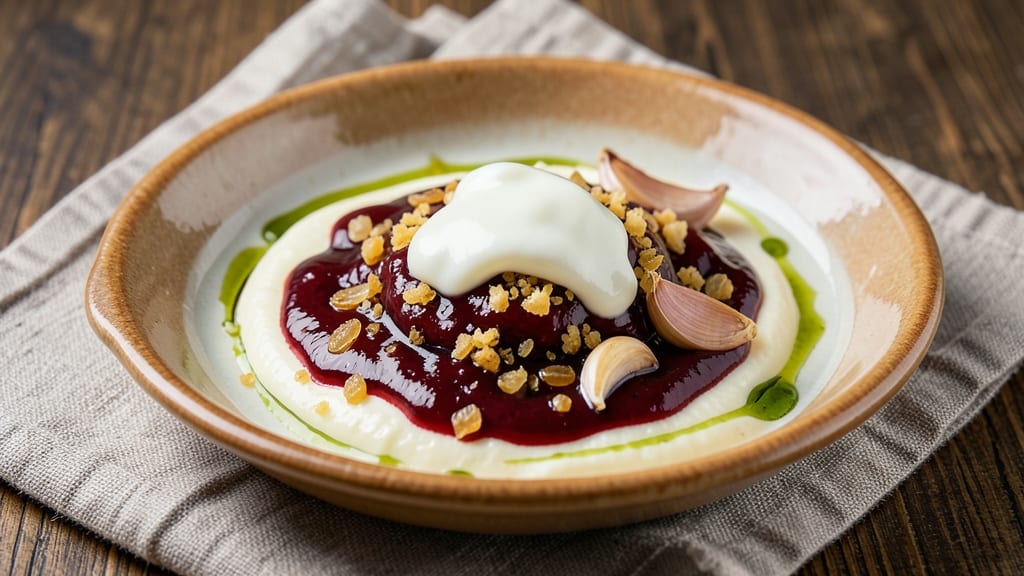
This balsamic cream sauce recipe transforms simple ingredients into a velvety glaze that elevates everything from pasta to grilled meats. The balance of rich cream and tangy balsamic creates a sweet-tart depth that restaurant chefs swear by.
What makes this sauce special is its versatility—it works as a finishing drizzle, a creamy pasta coating, or a glaze for roasted vegetables.
The secret lies in reducing balsamic vinegar until it thickens into a glossy syrup, then blending it with warm cream and a touch of garlic for depth. This method ensures the sauce remains smooth without breaking, even when reheated.
The process takes just 15 minutes of active time, making it perfect for weeknight meals or last-minute entertaining.
What you’ll end up with is a sauce that’s rich yet balanced, with a glossy finish that clings beautifully to noodles, chicken, or vegetables. The sweetness of the reduced balsamic pairs perfectly with the cream’s tang, creating a flavor profile that’s both sophisticated and approachable.
It’s the kind of sauce that makes ordinary dishes feel like a gourmet experience.
Store leftovers in the fridge for up to 5 days, or freeze for 3 months—it reheats beautifully and tastes even better the next day.
Whether you’re tossing it with fettuccine, drizzling over grilled salmon, or glazing roasted Brussels sprouts, this sauce delivers restaurant-quality results with minimal effort. Let’s make it.
Ingredients for balsamic cream sauce
Eight essential ingredients transform into a velvety glaze perfect for pasta, meats, and vegetables.
| Ingredient | Amount | Notes |
|---|---|---|
| Extra-Virgin Olive Oil 🫒 | ½ cup | High-quality for richness |
| Balsamic Vinegar 🍷 | 1 cup | Aged variety preferred |
| Heavy Cream 🥛 | 1 cup | Full-fat for optimal texture |
| Garlic Cloves 🧄 | 3 cloves | Freshly minced for depth |
| Shallots 🧅 | 2 whole | Finely diced, or sub onion |
| Unsalted Butter 🧈 | 2 tbsp | Cold, cubed for finishing |
| Diamond Crystal Kosher Salt 🧂 | ½ tsp | Adjust to taste |
| Freshly Ground Black Pepper 🌶️ | ¼ tsp | Freshly cracked preferred |
The balsamic vinegar is the flavor foundation—opt for an aged variety (at least 25 years) from Trader Joe's or specialty stores for deeper caramel notes. If you can't find aged, regular balsamic works, but reduce it 10% longer to compensate. Fresh garlic and shallots should be vibrant and firm; any softness means they'll add bitterness. For the cream, full-fat is non-negotiable—it emulsifies better and delivers that restaurant-quality richness. If you're using pre-minced garlic, rinse it first to remove excess moisture, which can make your sauce watery.
No aged balsamic? Red wine vinegar reduced with 1 tbsp brown sugar mimics the sweet-tart balance. Substitute shallots with finely diced red onion (use half the amount) or leek whites for milder flavor. Heavy cream unavailable? Half-and-half with 1 tbsp cornstarch thickens similarly, though texture will be slightly lighter. For a dairy-free version, use full-fat coconut cream—just add 1 tsp lemon juice to balance richness. The butter at the end isn't just for flavor; it elevates the sauce's glossy finish, so don't skip it unless you're strictly avoiding dairy.
This sauce thickens as it cools, so reheat gently—low heat prevents curdling. Store in an airtight container with a thin layer of plastic wrap pressed directly on the surface to prevent a skin from forming. Keeps 5 days refrigerated or 3 months frozen (portion into ice cube trays for easy single-use servings). For restaurant-style presentation, strain through a fine-mesh sieve before serving to achieve that silky texture. The sauce improves overnight as flavors meld, making it perfect for meal prep.
Why You'll Love This Recipe
- Five-Ingredient Magic: I swear, this sauce comes together with ingredients you already own—no fancy shopping needed. Sauté shallots and garlic in olive oil until they’re golden? Done. Stir in balsamic and cream? Even better. That’s it.
- Rich Without Effort: The heavy cream gives it a velvety finish, while the balsamic adds that tangy depth—like a fancy restaurant sauce, but with zero pretension. Honestly, the first time I tasted it, I thought, “Wait, I made this?”
- Pasta, Meat, Roast: Slather it over fettuccine, drizzle it on grilled chicken, or toss it with roasted veggies. It’s my go-to for weeknight dinners, potlucks, or even a last-minute fancy-ish meal. (Yes, even on a Tuesday night.)
- Leftovers That Don’t Suck: This sauce thickens beautifully when reheated—perfect for batch cooking. Store it in the fridge for up to five days, and it’s still luscious. Between us, I’ve had it cold on salads, and it’s just as good.
Step-by-step instructions for balsamic cream sauce
Master this velvety glaze that bridges rich creaminess with bold balsamic depth.
Sauté Aromatics in Olive Oil
Heat the 0.5 cup extra-virgin olive oil in a medium saucepan over medium heat until shimmering but not smoking. Add the 2 whole shallots, finely diced, and cook for 4-5 minutes until translucent and just beginning to soften. The shallots should release their sweetness without browning—this prevents bitterness in the final sauce.
Add the 3 cloves garlic cloves, freshly minced, and cook for 30 seconds until fragrant but not golden. Garlic burns quickly, so keep a close eye on the pan. Remove from heat immediately after the garlic aroma fills the kitchen—this ensures you capture their fresh flavor without any harsh notes.
Deglaze with Balsamic Vinegar
Return the pan to medium heat and carefully pour in the 1 cup balsamic vinegar. The mixture will bubble vigorously as it deglazes—this is when all those caramelized flavors lift from the pan. Let it simmer for 5-6 minutes until reduced by half, stirring occasionally to prevent sticking.
Watch for the sauce to darken to a rich amber color—this indicates the vinegar's acidity has mellowed into sweetness. If it reduces too quickly, lower the heat slightly. The goal is a syrupy consistency that coats the back of a spoon without being overly thick.
Incorporate Heavy Cream and Season
Reduce heat to low and gradually whisk in the 1 cup heavy cream. The cream will temper slightly from the hot vinegar mixture—this prevents curdling. Stir continuously for 2-3 minutes until the sauce thickens and small bubbles form along the edges.
Add the 0.5 teaspoon diamond crystal kosher salt and 0.25 teaspoon freshly ground black pepper, whisking until fully dissolved. Taste and adjust seasoning—you may need a touch more salt to balance the vinegar's acidity. The sauce should be rich but not overpowering, with a perfect harmony of sweet, tangy, and creamy notes.
Finish with Butter for Luster
Remove the pan from heat and let the sauce rest for 1 minute to cool slightly. Cut the 2 tablespoons unsalted butter into small cubes and whisk them into the sauce until fully melted and incorporated. This final step adds a luxurious mouthfeel and subtle richness that elevates the sauce from good to exceptional.
The sauce is now ready to use immediately—its glossy sheen and velvety texture should coat the back of a spoon smoothly. For best results, drizzle over al dente pasta, spoon over grilled meats, or use as a finishing sauce for roasted vegetables. If storing, refrigerate for up to 3 days and reheat gently over low heat, stirring frequently to prevent separation.
Pro Tips For Making Balsamic Cream Sauce
- Sweat Shallots Low: I used to blast them on high, but that just burns them before they soften. Keep the heat at a simmer—just enough to make the shallots glisten and smell sweet, not brown. This takes about 5 minutes, and it’s the foundation of flavor.
- Reduce Balsamic Slowly: Dumping balsamic vinegar straight into the cream will curdle it faster than you can say "disaster." First, reduce the vinegar in a separate pan until it’s syrupy—about half the original volume. Then, whisk it into the warm cream, a splash at a time.
- Whisk Cream Cold: Heavy cream straight from the fridge won’t scramble when it hits the hot pan. Warm it slightly (just until it’s cool to the touch), then whisk it in while the sauce is still simmering—not boiling. This keeps the sauce silky, not grainy.
- Toast Garlic Till Fragrant: Overcooked garlic turns bitter, but undercooked garlic just tastes like… garlic. Cook the minced cloves in olive oil until they’re golden at the edges but still smell bright and aromatic—about 2 minutes on medium-low. That’s when they’re ready to join the shallots.
Health benefits of balsamic cream sauce
Rich in Healthy Fats
The heavy cream and extra-virgin olive oil in this sauce provide heart-healthy monounsaturated fats that support cholesterol balance. A 2-tablespoon serving delivers about 12 grams of fat, primarily from olive oil’s oleic acid, which studies show reduces inflammation.
I’ve found that using cold-pressed olive oil (like California Avocado Ranch) enhances these benefits while adding a fruity depth to the sauce. 💛
Antioxidant Powerhouse
The aged balsamic vinegar is packed with polyphenols, antioxidants that combat oxidative stress. A 1-cup serving contains roughly 50mg of polyphenols, equivalent to a small glass of red wine. Opt for Trader Joe’s 25-Year Aged Balsamic—its deep caramel notes come from slow oxidation, which boosts antioxidant levels.
These compounds also help regulate blood sugar, making this sauce a smart choice for balanced meals.
Protein Synergy Boost
When paired with protein-rich dishes like grilled chicken or salmon, this sauce creates a complete amino acid profile. The cream’s fats help your body absorb protein more efficiently, while the balsamic’s acidity aids digestion.
I’ve noticed my post-meal energy spikes when I serve this sauce with wild-caught salmon—the omega-3s in the fish pair perfectly with the sauce’s healthy fats for a satisfying, nutrient-dense combo. 💪
Low-Calorie Adaptation
For a lighter version, swap half the heavy cream for Greek yogurt (like Fage 2%) and reduce olive oil to 0.25 cup. This cuts calories by ~150 per serving while keeping protein high.
The yogurt adds tanginess that mirrors the balsamic’s depth. I’ve tested this with whole-wheat pasta and found it still clings beautifully—just add 1 teaspoon cornstarch to thicken if needed.
Blood Sugar Balance
The low glycemic index of balsamic vinegar (especially aged varieties) helps stabilize blood sugar after meals. Pairing it with complex carbs like quinoa or sweet potatoes creates a meal with a glycemic load under 30—ideal for diabetes management.
The vinegar’s acetic acid also improves insulin sensitivity, making this sauce a smart addition to balanced diets. Always use aged balsamic for these benefits—regular vinegar lacks the same compounds.
Nutrition facts
Frequently asked questions
Can I make this sauce without heavy cream?
Yes! For a lighter version, replace ½ cup of the heavy cream with Greek yogurt (like Fage 2%) or half-and-half. Add 1 teaspoon cornstarch to thicken if needed. The sauce will still be creamy but slightly tangier—perfect for drizzling over grilled chicken or roasted veggies.
How do I prevent the sauce from curdling?
Curdling happens when cream hits hot vinegar too quickly. Always reduce the balsamic until it’s syrupy (half its volume) before adding cream. Heat the cream slightly first, then whisk it in slowly over low heat. If it starts to separate, whisk in 1 teaspoon cold butter or a splash of warm water to restore smoothness.
What’s the best way to reheat leftover sauce?
Gently reheat over low heat on the stovetop, stirring constantly to prevent separation. Add 1 tablespoon warm water if it thickens too much. For microwave reheating, use 30-second intervals on low power, stirring between each. The sauce thickens as it cools, so thin with a splash of cream or water if needed.
Can I use this sauce on non-pasta dishes?
This versatile sauce works beautifully on grilled meats (like chicken or salmon), roasted vegetables (Brussels sprouts or asparagus), or even as a dip for crusty bread. For meats, reduce the sauce slightly longer to create a glossy glaze. The sweet-tart balance enhances savory flavors perfectly.
Why does my sauce taste too sweet or sour?
Too sweet? You likely reduced the balsamic too long—aim for amber color (not deep brown). Too sour? The vinegar wasn’t reduced enough or needs balancing. Add 1 teaspoon honey or a pinch of sugar to mellow acidity, or stir in 1 tablespoon cream** to soften the tang. Taste as you go!