
Sauces & Condiments
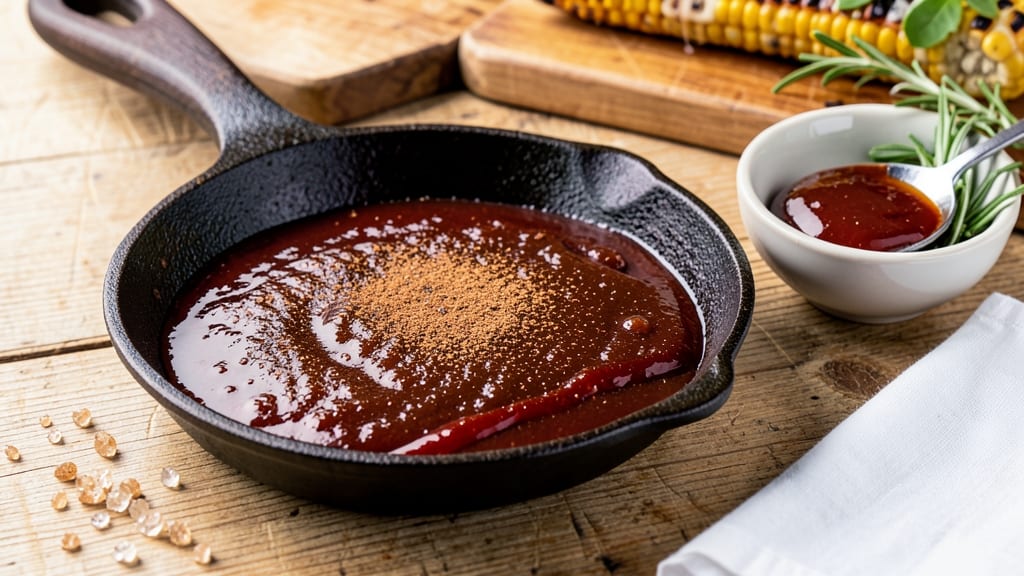
This authentic barbecue sauce recipe delivers the perfect smoky-sweet balance that elevates grilled meats, baked beans, and more—just like your favorite pitmaster's secret. The foundation starts with tomato paste and vinegar for that signature tang, then builds layers of depth with molasses, brown sugar, and a blend of warm spices.
What sets this apart is the slow simmering process, which allows flavors to meld into a rich, velvety sauce with just the right amount of heat.
Unlike store-bought versions that often taste artificial or overly sweet, this sauce achieves authenticity through careful balancing—smoky paprika and a touch of liquid smoke for depth, molasses for richness, and a hint of mustard for complexity.
The recipe uses simple ingredients you likely already have on hand, but the technique (simmering for 20 minutes) transforms them into something restaurant-quality. No high-fructose corn syrup here—just real, bold flavors that cut through rich meats while complementing their natural taste.
The result is a versatile sauce that works on everything from ribs and chicken to baked potatoes and even as a glaze for vegetables. It thickens beautifully when reduced, but stays spreadable for dipping or brushing.
Best of all, it keeps well in the refrigerator for up to two weeks, so you can make a big batch and have it ready whenever the craving hits. Whether you're grilling outdoors or baking indoors, this sauce will become your go-to for that authentic barbecue flavor.
For those who love to experiment, I’ll share variations in the tips section—like adding a splash of hot sauce for extra kick or swapping molasses for honey for a different depth of sweetness.
But the core recipe stays true to classic barbecue traditions while being simple enough for any home cook to master. Let’s get started on making sauce that tastes like it came straight from a smoker.
Ingredients for authentic barbecue sauce
Nine simple ingredients blend into smoky-sweet sauce that rivals pitmaster favorites.
| Ingredient | Amount | Notes |
|---|---|---|
| Tomato Paste 🍅 | ½ cup | High-quality, canned preferred |
| Apple Cider Vinegar 🍎 | ½ cup | Or white vinegar |
| Molasses 🍯 | ¼ cup | Unsulphured for best flavor |
| Light Brown Sugar 🍚 | ½ cup | Packed, not scooped |
| Smoked Paprika 🌶️ | 2 tbsp | For authentic smoky depth |
| Dijon Mustard 🍯 | 1 tbsp | For tangy complexity |
| Liquid Smoke 🔥 | 1 tsp | Adjust for smokiness |
| Garlic Powder 🧄 | 1 tsp | Freshly ground preferred |
| Onion Powder 🧅 | 1 tsp | For aromatic base |
| Black Pepper 🌶️ | ½ tsp | Freshly cracked |
| Salt 🧂 | 1 ½ tsp | Diamond Crystal preferred |
| Water 💧 | 1 cup | Or low-sodium broth |
The tomato paste is your flavor anchor—Muir Glen or Hunt's are my go-tos, but any quality canned paste works. Molasses is where the deep, rich flavor comes from, so grab unsulphured molasses from the baking aisle (the stuff with the label). Smoked paprika gives that signature barbecue taste, but if you're feeling fancy, Penzeys sells a smoked version that's next-level. For vinegar, Bragg's apple cider vinegar adds a nice fruity note, but white vinegar works in a pinch. The mustard? Dijon is non-negotiable here—it brings the tang that cuts through all that sweetness.
No molasses? Maple syrup or honey can stand in, but you'll lose some depth. Short on tomato paste? Crushed tomatoes at half the amount will work, but the sauce will be thinner. Liquid smoke is the secret weapon here—if you're sensitive to that smoky flavor, start with just half a teaspoon and taste as you go. The spices can be adjusted too: more paprika for smokier, less for milder. For a sweeter sauce, add another tablespoon of molasses or sugar. For heat, a dash of cayenne or hot sauce at the end does the trick. And if you're making this ahead, reduce the water slightly since the sauce will thicken as it cools.
This sauce tastes even better the next day once all the flavors meld together. Store it in a glass jar in the fridge for up to 2 weeks, or freeze for 6 months in ice cube trays for single-use portions. It thickens as it sits, so stir in a splash of water or vinegar if it gets too stiff. I always make a double batch because it disappears fast—ribs, chicken, baked beans, you name it. The leftovers make an amazing dipping sauce too, so don't hold back on making extra.
Why You'll Love This Recipe
- Pantry Magic: I’ll never buy store-bought again. Five ingredients—tomato paste, molasses, that deep vinegar tang—simmer down to something richer than anything I’ve ever slathered on ribs or drizzled over beans.
- Smoky Sweet Balance: Honestly, the molasses and smoked paprika combo is chef’s kiss. It’s got that caramelized depth but cuts through with just enough tang—like a hug from a campfire, but in sauce form.
- Weeknight Workhorse: Between us, this sauce is my lazy-day hero. Toss it on grilled chicken for dinner, then use the leftovers to glaze baked sweet potatoes the next morning. Zero waste, all flavor.
- Budget Stretch: A single batch feeds me for days. That jar of tomato paste? Lasts forever. The molasses adds richness without breaking the bank, and I’ve made enough to fill mason jars for gifts—people always ask for seconds.
Step-by-step instructions for authentic barbecue sauce
Here's how to craft a sauce with that perfect smoky-sweet balance—every layer matters.
Combine Wet Ingredients in a Saucepan
In a medium saucepan, add the 0.5 cup tomato paste, 0.5 cup apple cider vinegar, 0.25 cup molasses, 0.5 cup light brown sugar, and 1 cup water. Stir until the tomato paste dissolves completely—this usually takes about 2-3 minutes over medium heat. You'll notice the mixture thicken slightly as the sugar begins to caramelize.
Here's the thing—don't rush this step. The slow dissolution of the tomato paste ensures a smooth, lump-free sauce. If you see any lumps, press them through a fine-mesh sieve or whisk vigorously until fully incorporated. The sauce should smell rich and slightly sweet at this point, with a hint of tang from the vinegar.
Add Dry Seasonings and Simmer
Reduce the heat to low and sprinkle in the 2 tablespoons smoked paprika, 1 tablespoon Dijon mustard, 1 teaspoon liquid smoke, 1 teaspoon garlic powder, 1 teaspoon onion powder, 0.5 teaspoon black pepper, and 1.5 teaspoons salt. Stir constantly for 5 minutes to fully incorporate the spices into the sauce.
Let the sauce simmer uncovered for 15-20 minutes, stirring occasionally. You're looking for the sauce to thicken noticeably—it should coat the back of a spoon and leave a slight sheen. If it thickens too quickly, add 1-2 tablespoons water to maintain the right consistency. The color should deepen to a rich amber, and you'll smell that authentic smoky aroma developing.
Adjust Consistency and Flavor
After simmering, taste the sauce and adjust the seasoning if needed. I often find I need a touch more salt or a splash of vinegar to balance the sweetness. For extra depth, you can add 1-2 tablespoons apple cider vinegar if the sauce tastes too cloying. The sauce should have a perfect harmony of sweet, tangy, and smoky flavors.
If the sauce is too thick for your liking, thin it with 1-2 tablespoons water or apple cider vinegar. For a smoother texture, transfer it to a blender and pulse briefly—this removes any small lumps and creates a silky finish. The ideal consistency should be like a thick syrup, perfect for basting or brushing.
Cool and Store Properly
Remove the sauce from heat and let it cool to room temperature. This cooling process allows the flavors to meld even more. Once cooled, transfer the sauce to a clean glass jar or airtight container. The sauce will continue to thicken as it cools further, so don't be alarmed if it looks slightly thicker after refrigeration.
For best results, store the sauce in the refrigerator for up to 2 weeks or freeze it for up to 3 months. When ready to use, give it a good stir—it may thicken further upon reheating, so you can thin it with a splash of water or vinegar if needed. This sauce keeps beautifully and improves with time, developing even more complex flavors.
Pro Tips For Making Authentic Barbecue Sauce
- STIR CONSTANTLY AT FIRST: The first 5 minutes of simmering are when your sauce either thickens properly or turns into glue. I learned this the hard way—skipping the stir led to a batch that looked like it belonged in a construction site. Keep a spoon moving until the tomato paste and sugar dissolve completely, or you’ll regret it later.
- USE REAL MOLASSES, NOT SYRUP: That "molasses substitute" in your pantry is a crime against barbecue. Real molasses—especially unsulphured—adds depth and a slow-sweetening richness you can’t replicate. If you’re in a pinch, blackstrap works, but don’t even think about using corn syrup. The sauce will taste like it was made in a fast-food kitchen.
- LOW AND SLOW AFTER BOIL: Once your sauce hits a rolling boil, drop the heat to a gentle simmer. I used to blast it on high, thinking it’d cook faster, but that just burns the vinegar and makes the sauce bitter. A steady simmer for 20-30 minutes lets the flavors meld without turning your kitchen into a smoke alarm factory.
- SALT THE VINEGAR FIRST: Toss a pinch of salt into the apple cider vinegar before adding it to the pot. This balances the acidity right from the start and cuts through the molasses’ heaviness. I was skeptical—why salt something that’s already tangy?—but now I do it every time. The sauce tastes more polished, like it was made by someone who actually knows what they’re doing.
Common mistakes when making your authentic barbecue sauce
Over-Sweetening
I’ve seen this happen more times than I can count—adding too much sugar or molasses and ending up with a sauce that tastes like dessert. The key is balance: the 0.5 cup brown sugar and 0.25 cup molasses should complement, not overpower, the tangy vinegar and smoky spices.
Taste as you go! If it’s too sweet after simmering, add 1-2 tablespoons apple cider vinegar to cut through it. Trust me, your taste buds will thank you. 🌶️
Skipping the Simmer
Some recipes call for dumping all ingredients into a blender, but that’s a shortcut that sacrifices depth. The 15-20 minute simmer is where the magic happens—it allows the flavors to meld and the sauce to thicken naturally.
If you rush this step, you’ll end up with a thin, one-dimensional sauce. Patience here pays off with a rich, complex flavor. ⏳
Using Low-Quality Ingredients
Not all tomato paste or molasses is created equal. Cheap, processed ingredients will make your sauce taste artificial. Opt for Muir Glen tomato paste or unsulphured molasses—they’re worth the extra cost.
The same goes for vinegar: Bragg’s apple cider vinegar adds a fruity depth that generic brands can’t match. Invest in quality, and your sauce will shine. 💫
Ignoring the Cooling Phase
Sauce continues to thicken and develop flavor as it cools. If you serve it immediately after simmering, it’ll taste underdeveloped and too thin. Let it rest for at least 30 minutes (or overnight) before tasting.
This step is non-negotiable—it’s what transforms a good sauce into a great one. I promise, the wait is worth it. ⏰
Overlooking Consistency
Some people want their sauce thick like syrup, others prefer it pourable for dipping. The recipe gives you a thick syrup consistency, but if yours is too thick, thin it with 1-2 tablespoons water or vinegar.
If it’s too thin, simmer it uncovered for another 5-10 minutes to reduce it. Adjust as needed—there’s no one-size-fits-all here. 💡
Not Tasting Along the Way
This is a common rookie mistake. Sauces evolve as they cook, and flavors can shift unexpectedly. Taste at the 5-minute mark, again after simmering, and once more after cooling. Adjust salt, vinegar, or sweetness as needed. Your palate is your best tool—don’t skip this step! 👅
Nutrition facts
Frequently asked questions about authentic barbecue sauce
Can I make this sauce without molasses?
Yes, but you'll lose some depth. Replace the 0.25 cup molasses with 0.25 cup maple syrup or honey for sweetness, though molasses gives that classic rich flavor. For a deeper caramel note, add 1 tablespoon brown sugar extra. The sauce will still taste great, just slightly different in character.
How do I adjust the heat level?
Start with the recipe as written for a mild sauce. For heat, add 1/4 teaspoon cayenne pepper or 1 tablespoon hot sauce at the end. For smokier heat, increase the liquid smoke to 1.5 teaspoons. Always taste as you go—you can't add back what you've removed!
Can I use this sauce on non-meat dishes?
This versatile sauce works beautifully on baked potatoes, grilled vegetables, or even as a dipping sauce for fries. The smoky-sweet balance complements roasted sweet potatoes especially well. Just reduce the heat slightly (less liquid smoke) if using on delicate dishes like tofu.
Why does my sauce separate or get grainy?
This usually happens from too much stirring or not dissolving ingredients properly. Always whisk until the tomato paste is completely smooth before simmering. For graininess, blend briefly with 1-2 tablespoons water to create a silky texture. If it separates, stir in 1 teaspoon cornstarch mixed with 1 tablespoon water and simmer for 2-3 minutes to restore smoothness.
What's the best way to reheat leftover sauce?
Gently warm in a saucepan over low heat for 3-5 minutes, stirring constantly. Never microwave—it can make the sauce watery. If it thickens too much, thin with 1 teaspoon vinegar or water. The sauce actually improves after refrigeration, so leftovers often taste even better the next day!