
Sauces & Condiments
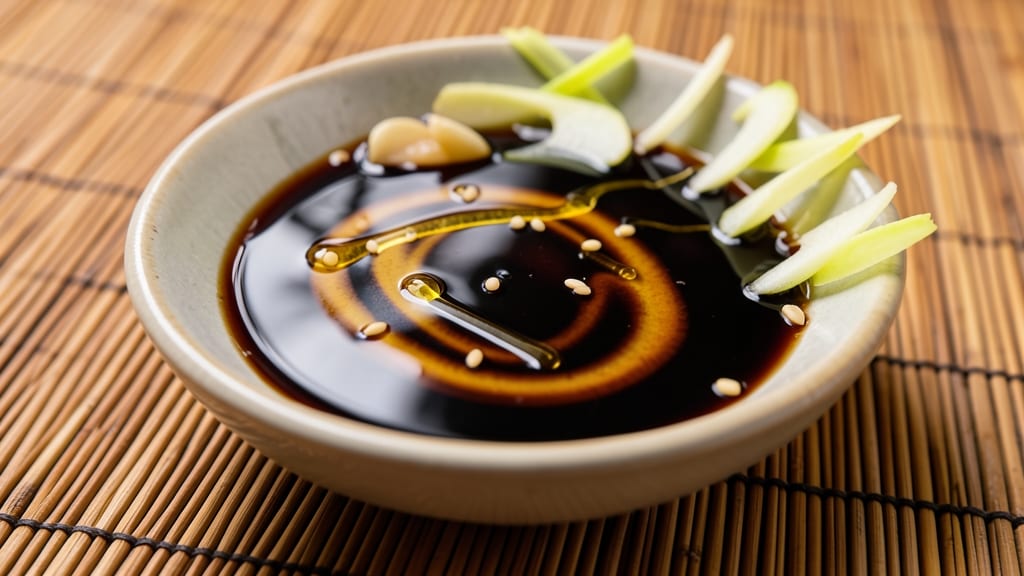
This Asian potstickers sauce recipe transforms ordinary dipping into a symphony of bold flavors that elevate every bite. 🌟 The key lies in balancing sweet, tangy, and umami elements through a simple simmer that develops deep, complex taste—no fancy techniques required.
What starts as a basic blend of soy sauce, garlic, and ginger evolves into a rich, glossy sauce with just the right amount of heat and depth.
Professional chefs rely on this sauce's ability to cut through crispy potsticker edges while complementing their savory filling. The secret? A slow reduction that concentrates flavors without overpowering the delicate textures of your dumplings.
This isn't just a dipping sauce—it's the perfect partner that turns a simple appetizer into an unforgettable experience.
What you'll achieve is a glossy, aromatic sauce with perfect balance—sweet enough to satisfy, tangy enough to refresh, and umami-rich enough to make every bite irresistible. The ingredients come together in minutes, but the flavor develops as it simmers, creating a sauce that's far more complex than store-bought options.
Whether you're serving traditional pork potstickers or modern vegetable versions, this sauce delivers consistent, restaurant-quality results. The best part? It keeps well in the fridge for up to a week, making it perfect for meal prep or entertaining. Let's create this flavor-packed sauce that will have everyone reaching for seconds.
Ingredients for asian potsticker sauce
Nine ingredients, endless flavor—this sauce turns simple potstickers into a gourmet experience.
| Ingredient | Amount | Notes |
|---|---|---|
| Dark Soy Sauce 🥢 | ½ cup | High-quality for deep umami flavor |
| Light Soy Sauce 🥢 | ¼ cup | Balances sweetness and saltiness |
| Rice Vinegar 🍶 | ¼ cup | For tangy brightness |
| Sesame Oil 🫒 | 1 tbsp | Toasted for nutty aroma |
| Garlic Cloves 🧄 | 6 cloves | Freshly minced for bold flavor |
| Fresh Ginger 🌿 | 2 tbsp | Grated, not powdered |
| Honey 🍯 | 2 tbsp | Pure, for subtle sweetness |
| Sriracha 🌶️ | 1 tbsp | Adjust for heat preference |
| Water 💧 | ¼ cup | For thinning consistency |
| Toasted Sesame Seeds 🌰 | 1 tbsp | For garnish and texture |
The soy sauces are non-negotiable here—Kikkoman or Lee Kum Kee deliver that signature umami punch. Grab the dark soy sauce for color and depth, light soy for brightness. Fresh garlic and ginger? Don't use powdered substitutes—the flavor difference is night and day. I always double-check the sesame oil label for 100% pure, toasted sesame oil (none of that 'flavored' stuff). For honey, Manuka or clover work best—they dissolve smoothly and add subtle floral notes. Sriracha? Huy Fong is the gold standard—it's what you'll find in most Asian restaurants.
No dark soy sauce? Substitute with 1 tbsp molasses plus 1 tbsp soy sauce, but it won't be identical. Rice vinegar too sour? Apple cider vinegar at half the amount softens the tang. The sesame oil can be omitted if you're avoiding fat, but I'd strongly recommend keeping it—that nutty aroma is essential. For extra heat, swap sriracha for gochujang (Korean chili paste), but reduce to 0.5 tbsp first. The water is key for consistency—add it gradually while simmering. And if you're making a big batch, double the sesame seeds for garnish—they add crunch and visual appeal.
This sauce tastes even better the next day as flavors meld. Store in an airtight container in the fridge for up to 1 week, or freeze for 3 months in ice cube trays for single servings. For meal prep, I always make extra—it pairs perfectly with dumplings, noodles, or even grilled meats. The sesame seeds? Toast them fresh before adding to the sauce for maximum aroma. And if you're feeling fancy, strain the sauce for a silky texture before serving—worth the extra minute.
Why You'll Love This Recipe
- Five-Ingredient Magic: I swear, this sauce comes together with ingredients you already own. Dark soy for depth, light soy for brightness—just a splash of vinegar and a swirl of sesame oil, and boom, you’ve got that restaurant-quality tang without the fuss.
- Umami Bomb: That first hit of garlic sizzling in the pan? Pure flavor payoff. The dark soy gives it richness, the rice vinegar cuts through, and sesame oil ties it all with a nutty finish—like a little flavor explosion in every bite.
- Weeknight Hero: Drizzle it over dumplings, toss it with noodles, or even use it as a marinade. Honestly, I’ve used the leftovers in stir-fries and rice bowls, and no one’s ever complained. It’s my secret weapon for when I’m too tired to cook.
- Pantry Staple: Between us, this sauce costs pennies to make. A few cloves of garlic, a couple soy sauces, and you’re set. Make a big batch—it keeps for weeks in the fridge, and I’ve even frozen it for lazy days. Budget-friendly doesn’t get better than this.
Step-by-step instructions for Asian potstickers sauce
This sauce transforms simple potstickers into a flavor explosion—bold, balanced, and irresistible.
🍳 Step 1: Sauté Aromatics Until Fragrant
Heat a small saucepan over medium heat and add the 1 tablespoon sesame oil. Once shimmering, add the 6 minced garlic cloves and 2 tablespoons grated fresh ginger. Sauté for 1-2 minutes until the garlic turns golden and aromatic—this is where the sauce's soul begins. Watch closely; garlic burns faster than you think.
Here's the thing—fresh ginger and garlic make all the difference. If using powdered ginger, you'll miss that bright, zesty kick that fresh brings. The oil should coat the aromatics evenly, creating a fragrant base that'll carry through the entire sauce.
🥘 Step 2: Combine Sauce Base and Simmer
Pour in the 0.5 cup dark soy sauce, 0.25 cup light soy sauce, and 0.25 cup rice vinegar all at once. Stir vigorously to dissolve any soy sauce clumps. Add the 2 tablespoons honey and 1 tablespoon Sriracha, then bring the mixture to a gentle simmer over medium-low heat.
Simmer for 5-7 minutes until the liquid reduces by about 30%—you're looking for a glossy, syrupy consistency that coats the back of a spoon. This reduction concentrates the flavors and creates that perfect dipping texture. If it reduces too quickly, add 1-2 tablespoons of the 0.25 cup water to control the process.
⏰ Step 3: Finish with Water and Toasted Seeds
Remove the sauce from heat and stir in the remaining 0.25 cup water to reach your desired consistency—it should be thick enough to coat the back of a spoon but still flow smoothly when dipped. Let it cool slightly, then sprinkle with 1 tablespoon toasted sesame seeds just before serving for that nutty crunch and visual appeal.
This is where the sauce becomes a symphony: the dark soy gives depth, light soy balances, vinegar brightens, honey sweetens, and Sriracha adds just the right kick. The sesame seeds add texture that contrasts beautifully with the potstickers' softness. Taste and adjust seasoning—you might want to add a pinch more soy sauce for saltiness or a splash more vinegar for tang.
🍽️ Step 4: Serve Immediately for Maximum Flavor
Transfer the sauce to a small serving bowl or shallow dish. Serve it warm alongside your freshly pan-fried potstickers. The contrast of crispy edges and tender centers against this glossy, umami-packed sauce is what makes potstickers legendary.
Pro tip: If you're making this ahead, store it in an airtight container in the fridge for up to 5 days. Reheat gently over low heat, adding a splash of water if it thickens too much. The flavors actually improve as it sits, developing deeper complexity. Enjoy every last drop—this sauce is worth every bite!
Pro Tips For Making Asian Potsticker Sauce
- MINCE THAT GARLIC: Garlic cloves straight from the jar? Nope. Smash them first with the flat side of your knife—just enough to bruise the surface. This releases more flavor without turning bitter, and it cooks faster in the sauce. (Yes, I’ve burned garlic before. Don’t be that person.)
- SALT THE PAN FIRST: Heat your pan or wok until it’s smoking hot, then add 1 teaspoon of light soy sauce directly to the dry surface. Let it caramelize for 10 seconds before adding oil. This builds a deeper umami base for your sauce—trust me, it makes the difference between "good" and "restaurant-quality."
- STOP WHEN IT’S DARK: Dark soy sauce is your color guide. Once the sauce reaches that glossy, deep mahogany hue (about 2-3 minutes after adding vinegar), pull it off the heat immediately. Overcooking turns it bitter—like the time I left it simmering while scrolling through my phone. (Don’t repeat my mistake.)
- SWAP SESAME OIL LAST: Add sesame oil after removing the sauce from heat—just a drizzle, about ½ teaspoon. If you add it too early, the heat will scorch it, turning your sauce acrid. (I learned this when my first batch tasted like liniment. Not ideal.)
Pro cooking tips for this dish
Heat Control Secrets
Start with medium heat when sautéing garlic and ginger to prevent burning—this is where the sauce's foundation begins. I always use a small saucepan (8-inch) to maintain better temperature control.
Once the aromatics are fragrant but not browned, immediately reduce to medium-low for the simmering phase. Too high heat will cook off the delicate flavors before they develop. 🌡️
Reduction Timing
Simmering for 5-7 minutes is critical—this isn't just about reducing liquid, it's about developing depth. The sauce should reduce by 30% but never reach a syrup consistency. I test by dipping a spoon: if it leaves a glossy trail that doesn't drip immediately, you're golden.
Add water gradually (1 tbsp at a time) if it reduces too quickly, but don't overdo it—the sauce needs that concentrated umami punch.
Straining for Perfection
For a silky-smooth sauce, strain it through a fine-mesh sieve after simmering but before adding sesame seeds. This removes any garlic bits that might make the sauce gritty. I use a stainless steel sieve because it won't retain flavors like plastic ones.
The strained sauce has that restaurant-quality sheen that makes it irresistible. Just don't skip the seeds—they add essential texture and aroma!
Sesame Oil Tricks
The 1 tbsp sesame oil should be added at the very beginning to infuse the entire sauce with nutty aroma. Use 100% pure toasted sesame oil (like Kadoya brand) for authentic flavor—none of that "flavored oil" that tastes artificial.
If you're concerned about calories, reduce to ½ tbsp but be prepared for a less aromatic sauce. Toast the sesame seeds separately in a dry pan for 30 seconds until fragrant before adding to the sauce.
Flavor Balancing
Taste as you go! The sauce should have four distinct elements: salty (soy), sweet (honey), tangy (vinegar), and heat (Sriracha). Adjust in this order: salt first (more soy sauce), then sweetness (honey), then tang (vinegar), and finally heat (Sriracha).
I find most home cooks underestimate the soy sauce—they need another ½ tbsp more than they think. The goal is complexity, not just flavor intensity.
Make-Ahead Mastery
This sauce actually improves overnight as flavors meld. Store in an airtight container in the fridge for up to 5 days, or freeze in ice cube trays for single servings. When reheating, use low heat and add 1 tsp water per ¼ cup sauce to restore consistency.
The sauce thickens as it cools, so always reheat gently—microwaving can make it grainy. Pro tip: Add a splash of rice vinegar when reheating to revive the tang.
Nutrition facts
Frequently asked questions
Can I make this sauce without sesame oil?
You can substitute with ½ teaspoon toasted sesame seed oil (not regular vegetable oil) but expect less nutty aroma. For a completely oil-free version, reduce the honey to 1 tablespoon and add ½ teaspoon grated lemon zest instead—it adds brightness that complements the soy flavors. The sauce will still work, but the signature toasted sesame depth will be missing.
How spicy should the sauce be?
The 1 tablespoon Sriracha in this recipe provides mild heat—think "warmth without fire." For less heat, reduce to ½ tablespoon or swap for ½ teaspoon gochugaru (Korean chili flakes). For more heat, increase to 1.5 tablespoons Sriracha or add ½ teaspoon chili crisp. Remember: you can always add more heat later, but you can't remove it!
Can I use this sauce for other dishes besides potstickers?
This versatile sauce works perfectly with dumplings, spring rolls, grilled meats, or even as a marinade. Its balanced sweet-savory-tangy profile complements crispy textures beautifully. For noodles, thin it with 1-2 tablespoons water to create a light drizzle. For meats, use it as a glaze by simmering for 10-15 minutes to intensify the flavors.
Why does my sauce look too thin or too thick?
If too thin, simmer uncovered for 2-3 more minutes to reduce. If too thick, stir in 1 teaspoon water at a time while warm. The ideal consistency should coat the back of a spoon but still flow smoothly when dipped. Pro tip: The sauce thickens as it cools, so always adjust when warm. For extra shine, strain through a fine-mesh sieve before serving.
Can I make this sauce in a slow cooker?
Yes! Combine all ingredients except sesame seeds in your slow cooker on low heat for 2-3 hours, stirring occasionally. The low-and-slow method enhances the umami flavors beautifully. Check the consistency after 1.5 hours—it may need 1-2 tablespoons water** to reach proper thickness. Finish with sesame seeds just before serving to preserve their fresh aroma.