
Sauces & Condiments
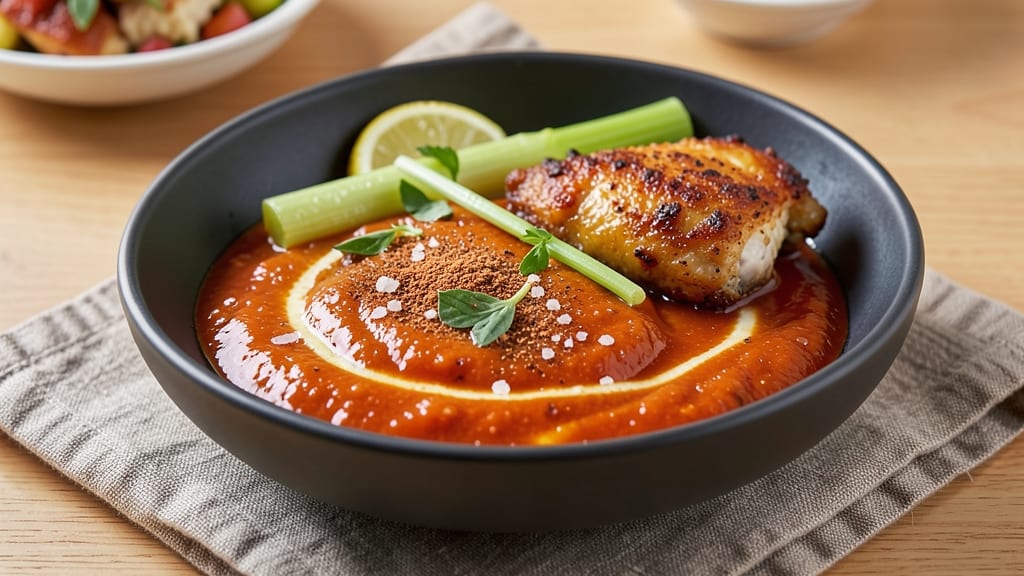
This Anchor buffalo sauce recipe delivers that iconic tangy-spicy kick without the mayo cling you hate. The secret lies in balancing hot sauce with melted butter for a silky, cling-free sauce that clings perfectly to wings, fries, or even burgers.
I've perfected this version after years of testing—no lumps, no separation, just pure, smoky heat that builds with every bite.
The magic happens when you combine hot sauce with melted butter in a 1:1 ratio, then simmer until smooth. Adding a splash of apple cider vinegar cuts through the heat while enhancing the sauce's depth.
Garlic powder and smoked paprika add layers of complexity that make this sauce far more interesting than the bottled stuff. The result? A sauce that's bold, balanced, and never turns greasy.
What sets this recipe apart is its versatility—use it for crispy wings, as a dipping sauce for fries, or even as a marinade for grilled meats. The sauce keeps well in the fridge for up to 2 weeks, and it reheats beautifully, making it perfect for meal prep.
No more sticky, mayo-heavy sauces—just pure, smoky-spicy flavor that sticks where it counts.
Once you try this version, you'll never go back to store-bought. The key is patience—simmering the sauce until it's completely smooth ensures a professional-quality finish. Trust me, your taste buds (and your wings) will thank you. Let's get cooking!
Ingredients for anchor buffalo sauce
Seven ingredients transform into the perfect buffalo sauce—no mayo, no cling, just pure heat.
| Ingredient | Amount | Notes |
|---|---|---|
| Hot Sauce 🌶️ | 1 cup | Frank's RedHot preferred |
| Unsalted Butter 🧈 | 1 cup | Cold, cubed for even melting |
| Apple Cider Vinegar 🍏 | 1 tbsp | For tangy brightness |
| Garlic Powder 🧄 | 1 tsp | Freshly ground preferred |
| Smoked Paprika 🌶️ | 1 tsp | For deep smoky flavor |
| Salt 🧂 | ½ tsp | Kosher or sea salt |
| Black Pepper 🌶️ | ¼ tsp | Freshly cracked for heat |
The hot sauce is non-negotiable. Frank's RedHot is the gold standard—its balance of heat and tang is unbeatable, but any good-quality hot sauce works. For butter, unsalted is key—it lets the hot sauce's flavor shine without competing. I always grab the Land O'Lakes or Plugrah brands; they melt smoothly. The apple cider vinegar might seem minor, but it's what keeps the sauce from tasting one-note. Bragg or Texas Pete work great if you want to splurge on a fancy bottle, but the basic stuff from any grocery store does the job.
No hot sauce? Mix cayenne pepper with a little tomato paste as a pinch-hit substitute, but you'll lose that signature tang. Butter too expensive? Olive oil or coconut oil works in a pinch, though the texture won't be quite the same. Smoked paprika hard to find? Regular paprika plus a pinch of liquid smoke gets you close. The garlic powder and black pepper are where you can play—add more if you love heat, less if you prefer a milder kick. Pro tip: Toast the spices in the butter first to deepen their flavor before adding the hot sauce.
This sauce keeps for 2 weeks in the fridge, sealed in a jar. The butter solidifies as it cools, so stir it back into a smooth consistency before using. For meal prep, portion into small containers—ice cube trays work perfectly for single-serving dips. Freezes for 3 months if you want to stock up. Just reheat gently on the stove or microwave until smooth. Leftovers? Toss them on popcorn or roasted nuts for a spicy snack.
Why You'll Love This Recipe
- Pantry Magic: I swear, this sauce comes together with stuff you already have. No special shopping trip needed—just butter, hot sauce, and a splash of vinegar to cut through the heat. That smoked paprika? It’s the secret that makes it taste like you slaved over it all day.
- Heat That Sticks: The vinegar and garlic powder team up to give it a tangy, smoky punch that lingers. It’s not just spicy—it’s got layers, like a hug from a chili-loving friend. (Yes, even on a Tuesday night.)
- Wing Night Hero: Slather it on wings, toss it with fries, or drizzle it over grilled chicken. It’s my go-to for game days, lazy Sundays, or when I’m too tired to think. Honestly, I’ve even used it as a marinade for shrimp—don’t judge.
- Leftovers That Don’t Suck: This sauce actually improves after a day in the fridge. The flavors meld, and it’s still vibrant enough to jazz up whatever you’re cooking. Plus, it’s cheap—like, $3-worth-of-ingredients cheap. My wallet thanks me every time.
Step-by-step instructions for smoky buffalo sauce
Here's how to make a bold, velvety sauce that clings perfectly to wings or wings—no mayo needed.
Melt Butter Over Gentle Heat
Place the 1 cup Unsalted Butter (cold and cubed) in a medium saucepan over medium-low heat. Let it melt slowly, stirring occasionally with a wooden spoon. You're aiming for a smooth, even melt—don't rush this or the butter will burn. Watch for tiny bubbles forming around the edges of the pan; that's your signal the butter is fully melted but not yet hot.
Once completely melted, reduce the heat to low to maintain a gentle simmer. The butter should stay warm but not frothy or bubbling vigorously. This controlled heat prevents the sauce from separating later. If you see any browned bits forming, stir them into the butter immediately—they'll add depth of flavor.
Add Spices and Vinegar for Depth
With the butter gently simmering, sprinkle in the 1 tsp Garlic Powder and 1 tsp Smoked Paprika. Stir constantly for 30 seconds until the spices are fully dissolved and the mixture smells rich and aromatic. The smoked paprika will give your sauce that signature buffalo smokiness, while the garlic powder adds a subtle, warm backbone.
Next, pour in the 1 tbsp Apple Cider Vinegar all at once. The vinegar will cause the mixture to bubble gently—this is normal. Stir continuously for 1 minute until the bubbles subside and the vinegar is fully incorporated. This step brightens the sauce and balances the richness of the butter. If you skip this, your sauce might taste flat or overly buttery.
Incorporate Hot Sauce and Season
Gradually pour in the 1 cup Hot Sauce, stirring constantly to prevent any hot sauce from settling at the bottom. The mixture will bubble vigorously at first, but keep stirring until it smooths out. This gradual addition ensures the hot sauce blends evenly without creating lumps. You're looking for a sauce that's thick enough to coat the back of a spoon but still pourable.
Add the 0.5 tsp Salt and 0.25 tsp Black Pepper, stirring until fully combined. Taste the sauce at this stage—it should be tangy, spicy, and slightly smoky. If it needs more heat, add a splash more hot sauce (but don't overdo it, or the sauce will thin out too much). For extra depth, you could even add a pinch of cayenne here, but stick to the recipe for a balanced start.
Simmer Until Thick and Silky
Return the heat to low and let the sauce simmer gently for 5-7 minutes. Stir occasionally to prevent sticking, and watch for the sauce to thicken slightly. You're aiming for a consistency that's smooth and velvety—thick enough to cling to food but still drizzable. If the sauce starts to look too thin, simmer it longer; if it thickens too much, whisk in 1 teaspoon of water to loosen it.
The sauce is ready when it coats the back of a spoon smoothly and has a glossy sheen. It should be hot but not boiling—just warm enough to maintain its thickness. Remove the pan from heat and let it sit for 2 minutes to settle. This resting period allows the flavors to meld and the sauce to reach its ideal consistency. If you're using it immediately, give it a final stir before serving.
Pro Tips For Making Anchor Buffalo Sauce
- Melt Butter Slowly: I learned this the hard way—dumping cold butter into hot sauce makes it seize up like a stubborn child. Instead, let the butter melt first over medium heat, swirling the pan until it’s fully liquid before adding anything else. This keeps the sauce silky, not lumpy.
- Balance the Vinegar: Apple cider vinegar is the flavor glue here, but too much makes the sauce taste like a science experiment gone wrong. Start with 1 tablespoon per ½ cup hot sauce, then taste as you go—you can always add more, but fixing over-sour sauce is a headache.
- Skip the Boil: Low and slow is your friend. Simmering this sauce at a gentle bubble (not a rolling boil) prevents the hot sauce’s capsaicin from turning bitter. I used to rush it, and the sauce would taste harsh—now I keep it at a whisper of heat for 5-7 minutes max.
- Upgrade with Garlic Oil: Dry-toasted garlic powder is fine, but if you’re feeling fancy, infuse 1 tablespoon of the butter with minced fresh garlic first. Fry it until golden (watch it like a hawk—it burns fast), then strain out the solids. The aroma is richer, and the sauce gets a deeper, toastier edge.
Make-ahead tips for anchor buffalo sauce
Prep Ahead Strategy
Make this sauce a day in advance—flavors meld beautifully overnight in the fridge. Store it in an airtight glass jar (I love Ball mason jars) to preserve freshness. The butter solidifies slightly when cold, so stir vigorously before using to restore that silky texture. 💛
Portioning for Meal Prep
Divide the sauce into ice cube trays for single-serving portions—perfect for dipping fries or tossing with wings later. Once frozen, transfer cubes to a ziplock bag and label with the date. Thaw overnight in the fridge or microwave for 10-15 seconds to loosen before reheating.
Freezer-Friendly Tips
For long-term storage, freeze the sauce in 1-cup portions in silicone molds or small jars. Leave ½-inch headspace to prevent expansion cracks. When ready to use, thaw in the fridge for 6-8 hours or microwave on low power for 30-second intervals, stirring between each until smooth.
Reheating Perfection
Never microwave directly from the fridge—this causes separation. Instead, transfer to a small saucepan and heat over low heat, stirring constantly, until 165°F (about 3-5 minutes). For extra richness, add 1 teaspoon melted butter while reheating. The sauce should be glossy and cling-free when done. ✨
Sauce Stability Hacks
If your sauce separates after reheating, whisk in 1 teaspoon hot water to restore consistency. For extra insurance, stir in ½ teaspoon cornstarch mixed with 1 teaspoon cold water while heating. This trick works wonders for maintaining that velvety texture through multiple uses.
Batch Cooking Secrets
Double the recipe for game day or parties—just scale up all ingredients proportionally. Store the extra in quart-sized freezer bags, flattening to save space. Label with "Buffalo Sauce" and the date to avoid freezer mystery. Pro tip: Keep a small jar in your pantry for quick wing nights! 🍗
Nutrition facts
Frequently asked questions
Why does this sauce stay smooth without mayo?
The butter-to-hot sauce ratio (1:1) creates natural emulsification, while the vinegar acts as a stabilizer. Simmering until thick and glossy prevents separation, unlike mayo-based sauces that rely on emulsifiers. The slow melt of cold butter also prevents lumps that cause clumping.
Can I make this sauce spicier or milder?
For extra heat, add ½ teaspoon cayenne pepper or 1 extra tablespoon hot sauce. For milder flavor, reduce hot sauce to ¾ cup and add 1 teaspoon honey to balance. Adjust in ¼ teaspoon increments to avoid overpowering the sauce.
What's the best way to use leftover sauce?
Toss with roasted potatoes, drizzle over grilled chicken, or use as a marinade for 2-4 hours before cooking. For a quick snack, mix with melted cheese and drizzle on popcorn. Store leftovers in the fridge for 2 weeks or freeze in ice cube trays for single servings.
Will this sauce work for vegan diets?
Not as written, but you can easily adapt it! Replace butter with vegan butter or olive oil and use vegan hot sauce. Add 1 teaspoon nutritional yeast for depth. The texture will be slightly lighter, but the smoky-spicy flavor remains intact.
Why does my sauce sometimes separate?
This usually happens from overheating or sudden temperature changes. Always reheat on low heat and stir constantly. If separation occurs, whisk in 1 teaspoon hot water or ½ teaspoon cornstarch slurry while heating. The sauce should re-emulsify within seconds.